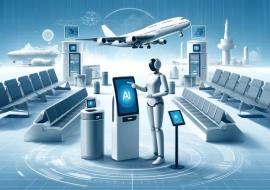
AI-Driven Itinerary Planning Disrupts Traditional Travel Distribution Channels
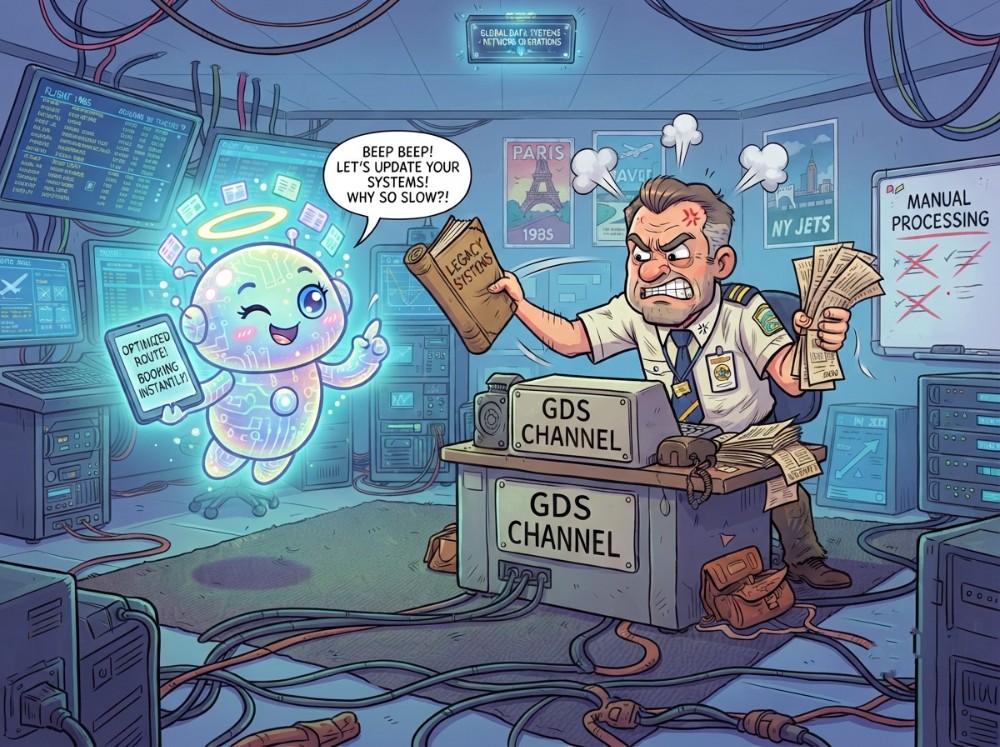
The rapid democratization of sophisticated Artificial Intelligence tools is fundamentally altering the mechanisms through which global travelers discover, plan, and purchase their leisure excursions.
As the reliance on AI for trip inspiration continues to grow, traditional travel agencies are being forced to aggressively integrate AI-assisted planning frameworks into their own digital touchpoints. This systemic shift is being driven by Gen Z and Millennial travelers, who prioritize instant access to information, transparent pricing, and the ability to seamlessly move from search to booking within a singular, frictionless digital ecosystem.
Recent consumer sentiment surveys reveal that a dominant majority of travelers across all major economic markets are increasingly comfortable—and often eager—to use AI for comprehensive trip design. These tools are being utilized to analyze millions of data points to generate hyper-personalized recommendations that consider everything from real-time flight availability to local social-media-driven trends. This disruption is effectively displacing the traditional "inspirational search" model and creating a new reality where AI-optimized travel planning is the decisive starting point for the overwhelming majority of international bookings.
For the airline and hotel industries, this shift represents both a challenge and a significant revenue-optimization opportunity. Brands that successfully align their booking engines with these intelligent search frameworks are finding they can better capture customer intent at the exact moment of decision. By utilizing dynamic, value-based pricing software that aligns real-time availability with perceived customer willingness to pay, providers are able to maximize their yield while offering a more relevant, personalized set of travel options that keep the consumer within their proprietary brand ecosystem.
The rising importance of digital influence through social platforms is further compounding this technological disruption. With a significant percentage of travelers now explicitly stating that social media is their primary "travel agent," the convergence of AI-planning and social-influence marketing has become the industry’s most powerful lead-conversion catalyst. Operators that fail to optimize their digital presence across these multi-channel discovery points risk being excluded from the consideration set of the most active, high-spending demographics, who now exclusively trust digital communities for their travel inspiration.
Concurrently, the industry is grappling with the paradox of increased automation versus the growing demand for authentic, human-centric experiences. While travelers are happy to hand over the "heavy lifting" of logistics and complex itinerary building to AI, they simultaneously express a heightened desire for genuine connections and deep engagement with the local cultures they visit. The most successful travel brands of 2026 are those that master this duality, utilizing high-tech AI systems to handle the friction of planning, while deploying high-touch human expertise to guarantee the authenticity of the final travel experience.
Looking toward the future of travel distribution, the competitive landscape will be defined by speed, clarity, and the ability to act on shifting consumer behavior faster than the broader market. Brands that invest in integrated digital systems—where inspiration, pricing, and loyalty programs are managed as a single, connected journey—are setting the standard for the entire tourism sector. As AI continues to evolve, the distinction between a "traveler" and a "digital user" is blurring, necessitating a total commitment to seamless, technology-enabled service delivery to capture the next wave of global leisure demand.