The 2026 World Cup Tourism Balance: High Economic Impact Amidst Moderate Traveler Volume
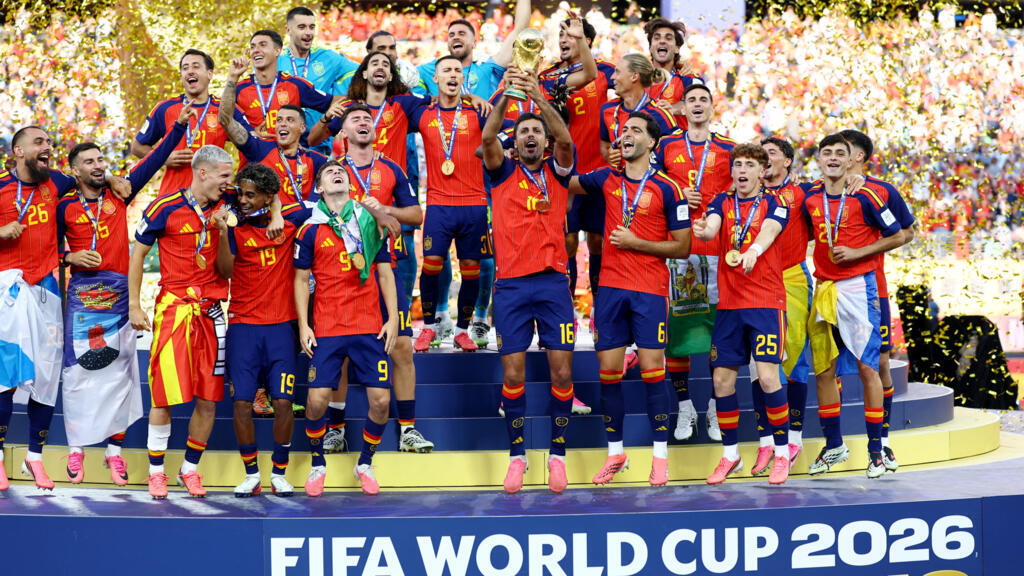
The 2026 FIFA World Cup has concluded, leaving behind a complex economic landscape in the United States. While the tournament was hailed by financial analysts, including those from Bank of America, as a significant success with an estimated $20 billion economic impact, the highly anticipated "boom" of massive international arrivals failed to materialize as initially projected.
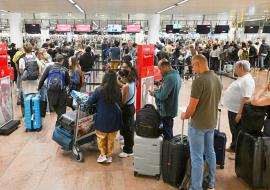
Data from the Department of Commerce confirmed that international air travel to the U.S. grew by a mere 0.2% during the tournament’s first month, highlighting a market shaped more by qualitative resilience than by raw volume.
The success of the tournament is best measured through the lens of high-value visitor spending rather than total traveler counts. Across the 11 host cities, tourism expenditure surged by 16.7%, a figure that significantly outperformed broader market averages.
This growth was primarily driven by an international visitor profile characterized by high purchasing power, which concentrated its spending in the hospitality, fine dining, and entertainment services sectors. Cities such as Dallas and Houston stood out as epicenters of this activity, achieving record reservation levels during the early stages of the competition.
Divergent Experiences in North America
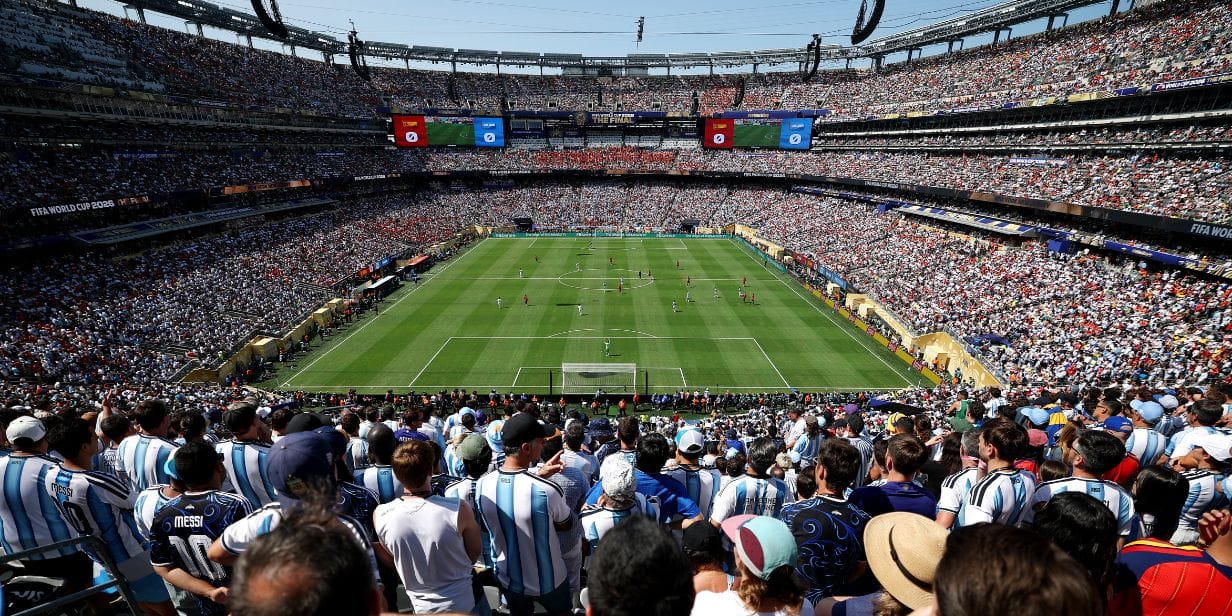
The regional experience across the North American host block revealed notable disparities. While the U.S. prioritized a strategy of focusing on high-net-worth individuals—potentially displacing average travelers who were deterred by the tournament's congestion, high costs, and security concerns—other host countries reported different outcomes.
Reports indicate that Mexico achieved a tourism growth rate of 5% during the season, with hotel occupancy averaging 95%, while Canada reported a more modest 3% increase. In contrast, U.S. host cities faced a cooling effect, with many hoteliers reporting occupancy levels that closely mirrored standard summer vacation demand rather than the expected influx of mass tourism.
The discrepancy between the tournament's visibility and its actual economic contribution has sparked debate among experts. Michael Edwards, a professor of sports management at North Carolina State University, noted that large-scale sporting events often follow a pattern where "visibility does not equate to economic impact."
Analysts have pointed out that optimistic projections often failed to account for "substitution effects," where regular tourists chose to avoid host cities due to fears of overcrowding and inflated prices. Furthermore, state governments—including Florida, Georgia, and Missouri—faced scrutiny for relinquishing at least $57.8 million in tax revenue to host tournament matches, raising questions about the long-term return on public investment.
Despite the lukewarm arrival numbers, the tournament generated tangible returns in the form of approximately 185,000 full-time equivalent jobs and a social return on investment estimated at $4.03 for every dollar spent. The long-term "tourist legacy" effect, projected at 65% for the host countries, suggests a potential for sustained consumption patterns beyond the final match at MetLife Stadium.
Ultimately, the 2026 World Cup serves as a definitive case study in the transition of U.S. tourism toward a model that favors specialized, high-spending visitors, even if it meant sacrificing the record-breaking volumes that have characterized previous global sporting spectacles.