
Brand USA Downgrades 2026 International Visitor Forecasts
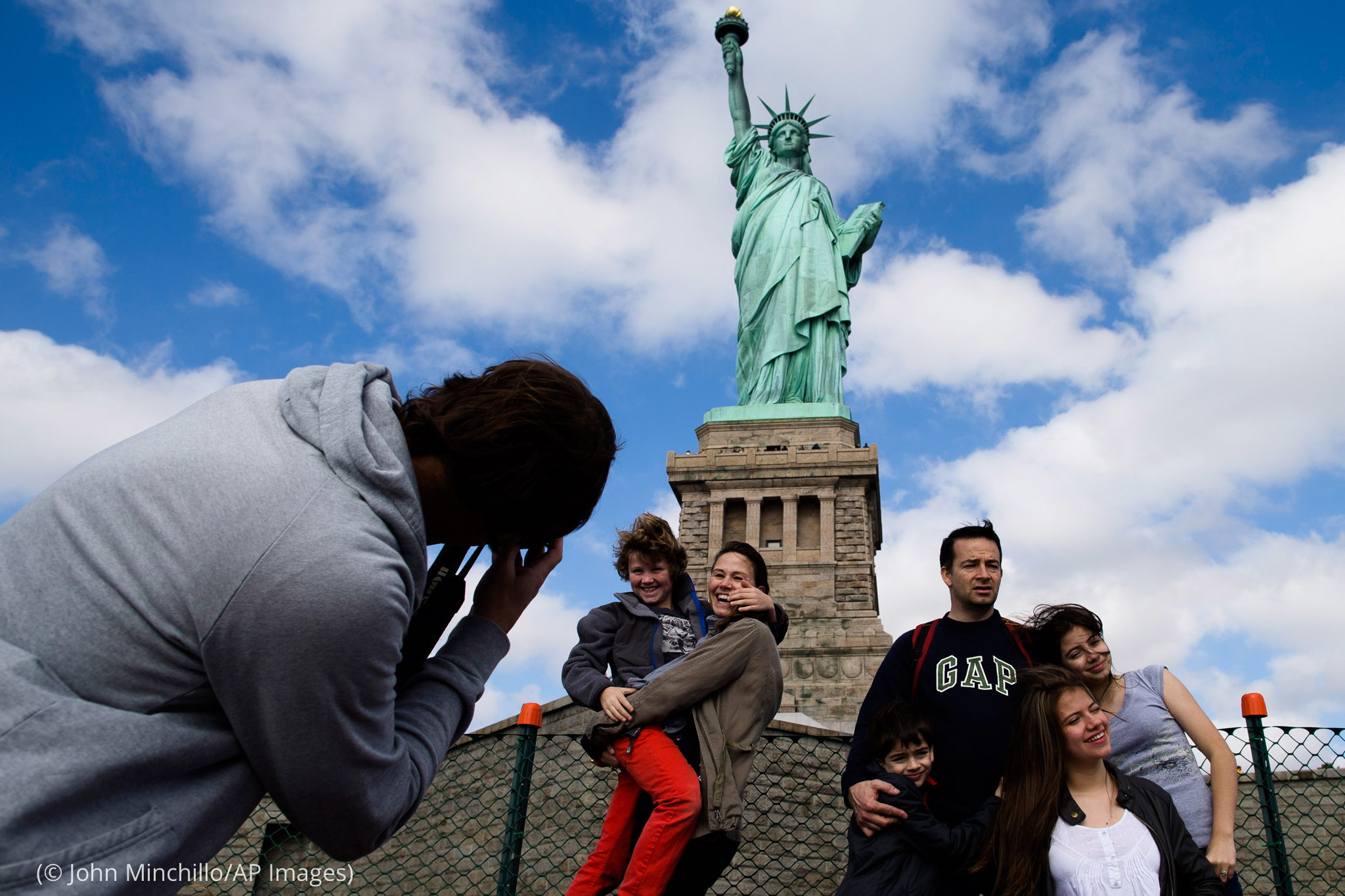
Brand USA has adjusted its official tourism projections for the year, lowering its forecast for international visitor arrivals following updated modeling from Tourism Economics. The destination marketing organization now projects 69.9 million international visitors for the calendar year, marking a slight reduction from its previous spring estimate of 70.6 million. This adjustment shifts anticipated annual international growth from 3.4 percent down to 2.4 percent, reflecting a recalibration of travel data to match actual booking performance.
A closer examination of individual feeder markets reveals a fractured global landscape, with divergent travel appetites across different continents. Strong upward revisions were led by Mexico, followed by steady gains from Colombia, Ecuador, Turkey, Japan, and Taiwan. Conversely, the steepest downward adjustments originated from long-haul markets, including Canada, South Korea, Germany, France, and the United Kingdom, where economic headwinds and high airfare costs have tempered outbound travel enthusiasm.
Despite the short-term downward revision for the current calendar year, long-term strategic projections remain firmly on track, with industry models maintaining an ambitious target of 85 million annual visitors by 2030. U.S. tourism stakeholders are actively recalibrating their international marketing campaigns to focus heavily on high-growth regions while combatting softness in traditional European and North American feeder markets. The data underscores the need for continuous destination competitiveness as global travelers navigate complex economic variables.
The immediate impact of the data release has prompted destination marketing organizations across major American metropolitan hubs to reallocate promotional funds toward emerging source regions. Cities heavily reliant on international convention and leisure spend are reviewing their promotional calendars to attract regional travelers who can offset shortfalls in long-haul arrivals. Tourism boards emphasize that maintaining open communication channels with international travel trade partners is vital for rebuilding consumer confidence.
Industry analysts note that while major global events like the recent international soccer tournaments provided temporary spikes in inbound volume from participating nations, non-participating countries experienced noticeable travel dips. This uneven distribution highlights the challenge of sustaining broad-based tourism momentum in an economic climate marked by elevated inflation and currency fluctuations. Travel planners are increasingly packaging multi-destination itineraries to entice value-conscious global consumers.
As the industry looks ahead to the remainder of the year, Brand USA remains committed to highlighting the diverse cultural and natural attractions that make the United States a premier global destination. By addressing structural barriers such as visa processing delays and focusing resources on resilient markets, American tourism leaders aim to steer the sector back toward its long-term growth trajectory. The recalibrated forecast serves as a realistic roadmap for navigating ongoing global economic shifts.