High-End Safari Market Sees Explosive Growth in 2026
The global market for high-end safari outfitters is experiencing a significant surge, with industry reports indicating an expansion from $2.73 billion in 2025 to a projected $2.94 billion by the end of 2026.
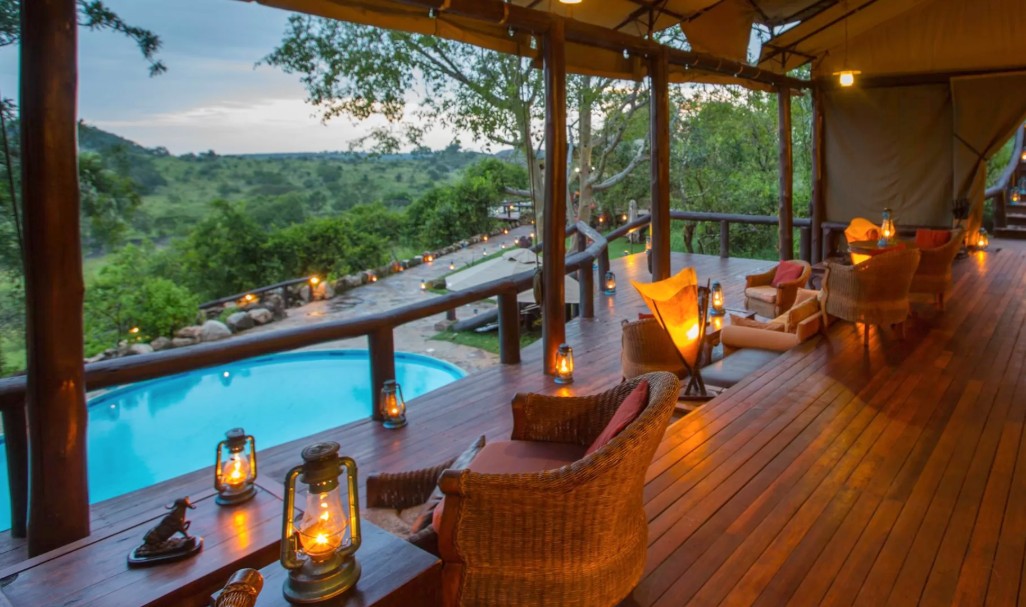
This 7.7 percent compound annual growth rate is being driven by an increasing demand for personalized, bespoke wildlife experiences among high-net-worth individuals. As travelers prioritize exclusivity, safari operators are responding with private guided tours, high-quality lodge accommodations, and tailored itineraries that emphasize both luxury and deep ecological engagement.
The market's expansion is further bolstered by the integration of digital technologies and a stronger focus on sustainable tourism. Modern outfitters are leveraging online platforms to provide virtual safari engagements, while simultaneously expanding their eco-friendly lodge portfolios to meet the growing environmental consciousness of their clientele. Experts predict that this segment will continue to capture a larger share of the international luxury travel market, with the total value projected to reach $4 billion by 2030, supported by sustained corporate and celebrity interest.
Corporate and celebrity demand has become a major driver for the sector, as luxury safari trips become an increasingly common choice for exclusive group gatherings and high-profile retreats. These clients are looking for more than just traditional game viewing; they are seeking immersive, "concierge-style" service that combines wildlife education with premium comfort. This shift has encouraged operators to innovate, introducing specialized product lines that offer enhanced convenience and unique access to remote wilderness areas that were previously difficult to reach.
The role of high-end outfitters is also evolving to include a greater emphasis on local community involvement and conservation efforts, which are becoming non-negotiable standards for today's luxury traveler. By ensuring that their operations provide tangible benefits to local regions, these companies are effectively branding themselves as responsible stewards of the natural environment. This dual focus on luxury and sustainability is proving to be a winning strategy, attracting travelers who want to ensure their vacation makes a positive global impact.
Accessibility is another critical component of the market's success. Improved aviation infrastructure and the development of private air corridors are making once-remote wildlife havens more reachable for short-term luxury getaways. As flight connectivity continues to improve throughout sub-Saharan Africa and other safari regions, the time required to reach these exclusive destinations has dropped significantly, allowing affluent travelers to incorporate safaris into their broader international itineraries with greater ease and flexibility.
The competitive landscape is shifting toward operators who can best blend the traditional "adventure" aspect of a safari with the comforts of a high-end resort experience. For the luxury tourism sector, this growth confirms that wildlife-focused travel is no longer a niche hobby but a cornerstone of the modern, premium global travel economy.