
Southern Europe Wildfires Prompt Travel Advisories and Regional Adjustments
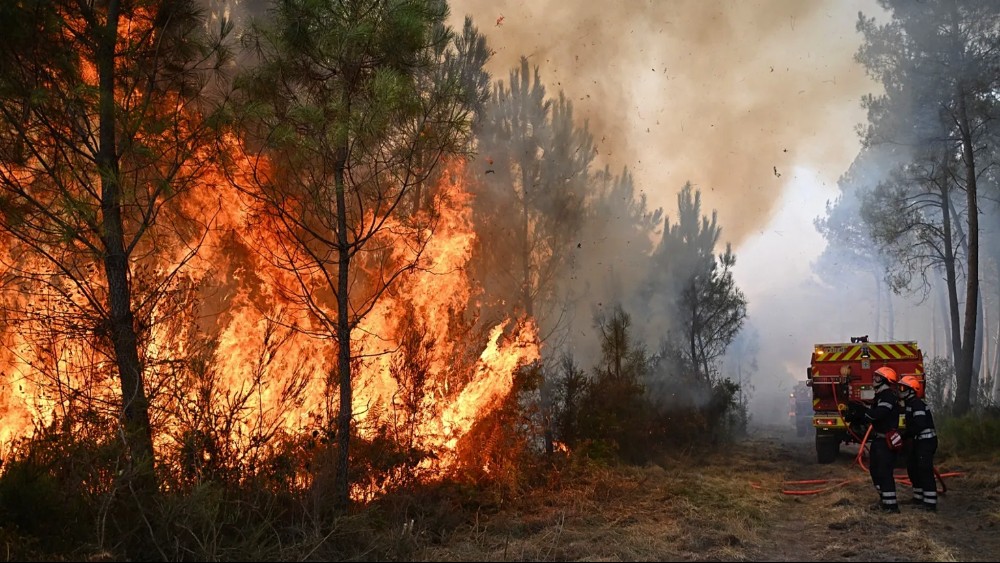
The European travel sector is navigating a complex operational landscape as several Mediterranean destinations address seasonal wildfire activity driven by extreme summer heatwaves and prolonged dry conditions.
According to updated reports from international civil protection authorities and travel risk agencies, localized blazes across parts of Greece, Spain, Portugal, and Southern France have prompted temporary road closures, regional detours, and precautionary evacuations. Tourism ministries emphasize that while the vast majority of urban and resort areas remain fully open, proactive safety protocols are firmly in place.
Destination management organizations and local hotel operators are working closely with emergency response teams to ensure absolute visitor safety and provide immediate shelter or alternative arrangements for travelers affected by temporary transit disruptions. Regional airports and major transit hubs continue to operate on normal schedules, though minor flight delays have occasionally occurred due to reduced visibility from smoke in isolated rural sectors. Tour operators have swiftly modified rural excursion routes and hiking trail itineraries to steer clear of active zones.
Travel insurance providers and risk management firms report a sharp rise in inquiries from vacationers seeking comprehensive trip interruption and cancellation coverage. Industry experts advise international visitors heading to popular Mediterranean regions, including Andalusia, Crete, Rhodes, and the Algarve, to maintain high flexibility, monitor official municipal alerts, and verify conditions with airlines before departure. Transparent communication remains essential for preserving traveler confidence.
Environmental scientists and tourism planners note that Mediterranean destinations are increasingly investing in advanced early-warning detection systems, climate-resilient forestry practices, and rapid emergency response frameworks to protect both local communities and international visitors. These proactive adaptation strategies are critical for safeguarding the long-term sustainability of regional tourism.
Ultimately, the successful management of seasonal environmental challenges highlights the resilience and preparedness of the European travel ecosystem. By prioritizing safety, swift operational adjustments, and transparent public communication, Mediterranean destinations continue to protect their visitors while maintaining their status as world-leading travel havens.