The Transformation of Vatican Tourism: New Routes and Cultural Expansions
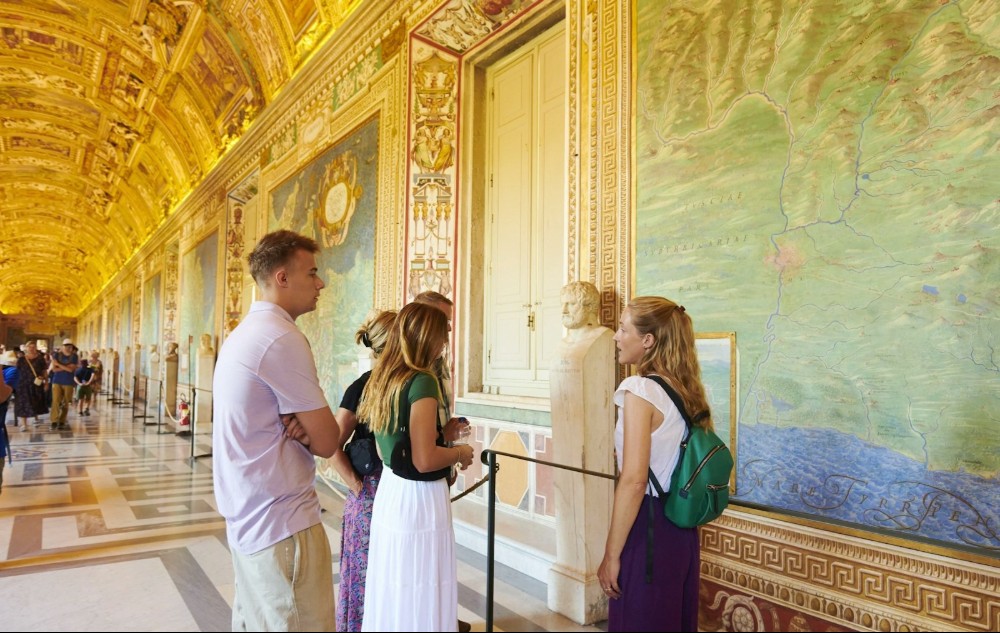
Vatican City continues to solidify its position as one of the world's premier cultural and spiritual destinations, attracting millions of international visitors while introducing key innovations in its management model.
To balance heritage sustainability with a more accessible and profound experience for travelers, authorities have restructured their tourism offerings across traditional landmarks like the Vatican Museums, the Sistine Chapel, and the majestic St. Peter's Basilica.
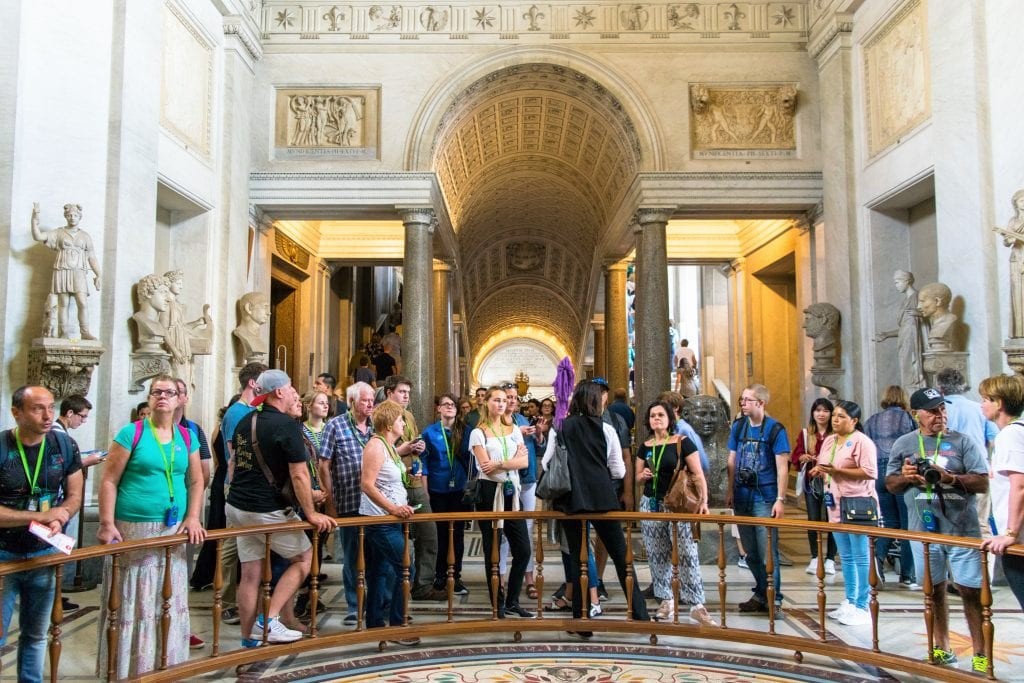
To respond to massive demand and mitigate digital fatigue or overcrowding, the administration has implemented significant operational modifications.
Among the most notable updates is the extension of general visitor hours, allowing for a more staggered flow of entry and a more relaxed stay within the museum complexes.
Furthermore, cultural additions now include high-tech immersive experiences, such as the Pétros Ení exhibition located in the Octagonal Rooms, which introduces interactive historical narratives about the apostle Peter and the architectural evolution of the basilica.
Industry experts point out that these strategic adaptations redefine the pre-booking and on-site experience, ensuring that global tourism standards align with the preservation of sacred heritage.
Initial pilot implementations have demonstrated high satisfaction rates among visitors, setting a new benchmark for managing historic religious sites in the modern era.