
Travel Authorities Issue Advisory for Millions Gathering for August 2026 Total Solar
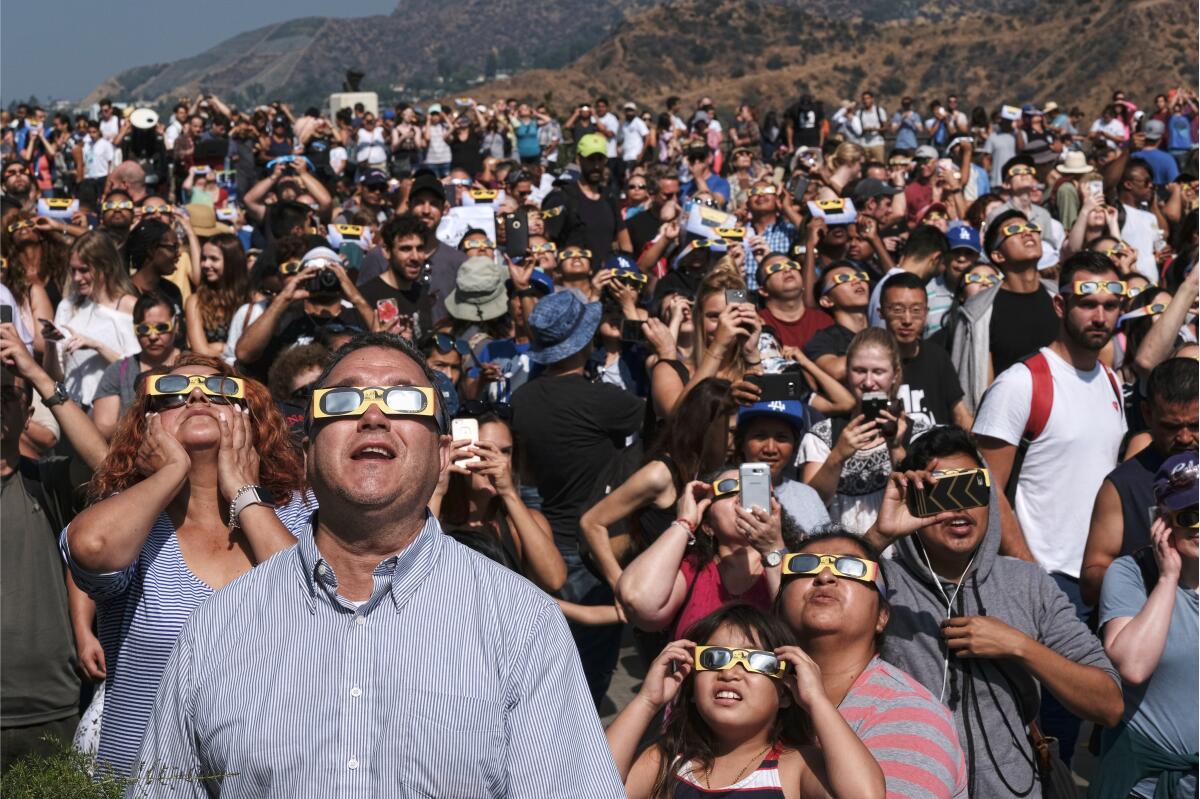
A massive influx of international travelers is preparing to descend upon northern Spain and the Balearic Islands for the highly anticipated total solar eclipse on August 12, 2026. Representing one of the most significant astronomical tourism events of the decade, the phenomenon has driven near-100 percent advance booking rates across rural accommodations, boutique hotels, and coastal resorts along the projected path of totality. However, destination marketing organizations and scientific bodies are issuing urgent operational warnings regarding the unique geometry of the late-day event.
Unlike typical solar eclipses occurring when the sun is positioned high overhead, this celestial event takes place late in the evening just prior to sunset. Consequently, the sun will sit extremely low on the western horizon during totality, creating severe observational challenges for spectators in eastern regions and island locations. Travel planners note that standard open-field viewing sites may be entirely obstructed by low hills, architectural structures, or coastal foliage, turning what should be a pristine viewing experience into a frustrating exercise in line-of-sight positioning.
To mitigate these risks, local authorities have launched specialized digital planning tools, including topographical horizon assessment applications, to help visitors identify elevated viewing platforms. Concurrently, a specialized niche of travelers is booking marine excursions on Mediterranean charter boats to eliminate land-based obstructions entirely. Rural municipalities in northern provinces are rapidly scaling up temporary infrastructure, traffic management, and emergency medical services to safely accommodate the unprecedented volume of visitors.
The hospitality sector views the eclipse as a major economic catalyst, providing a powerful shoulder-season boost that bridges the gap between early summer operations and autumn travel trends. Hotels and tour operators are packaging the celestial event with cultural excursions, wine-tasting tours, and astronomy workshops, encouraging visitors to extend their stays beyond the single day of the eclipse. This integrated approach aims to distribute economic benefits widely across regional communities.
As the countdown to August 12 continues, safety officials are urging all incoming tourists to verify their viewing locations well in advance and monitor localized weather forecasts closely. Atmospheric haze near the coast or low cloud layers could easily obscure the fleeting moments of totality, making mobility an essential asset for eclipse chasers. With meticulous preparation and the right vantage point, travelers are still guaranteed an unforgettable encounter with one of nature’s rarest spectacles.