Commercial Aviation Shatters All-Time Records with Massive Flight Volume
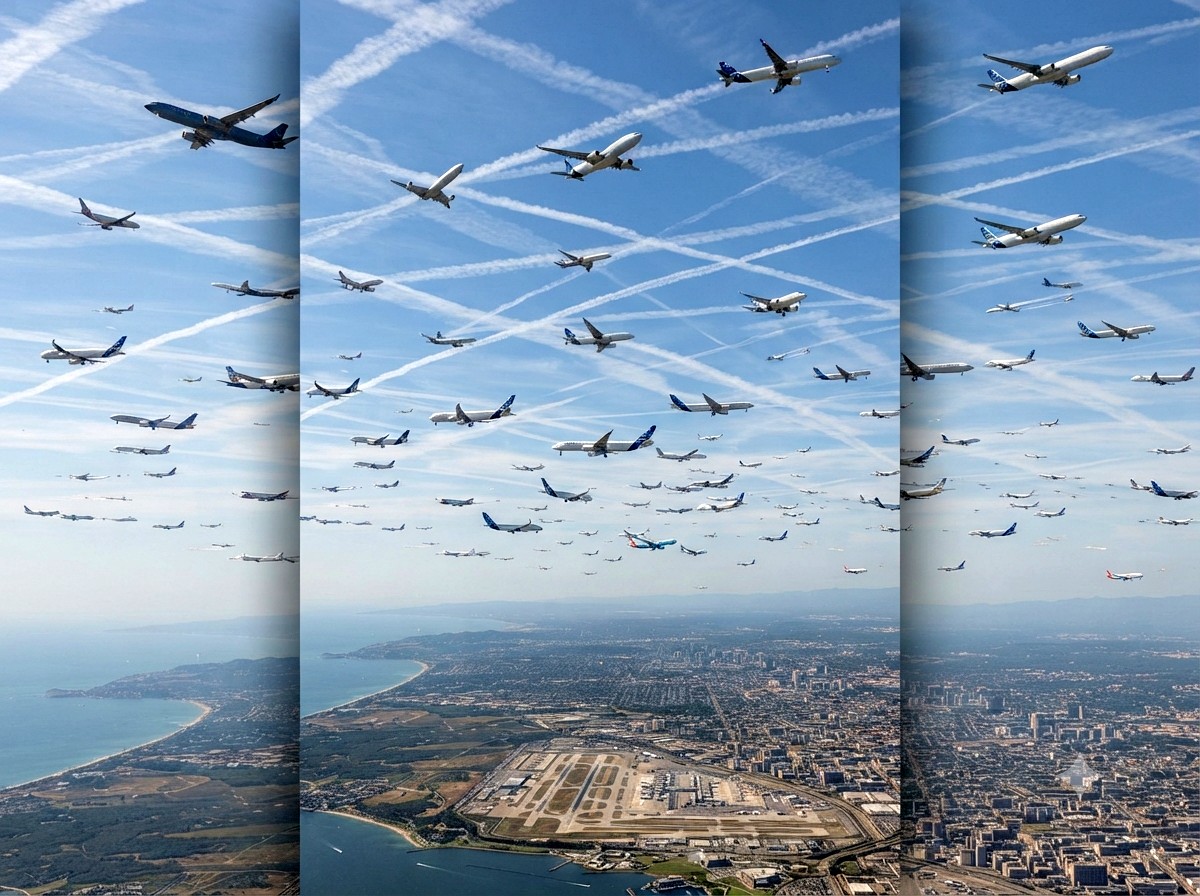
Commercial aviation has officially broken its absolute historical record by registering a staggering one hundred fifty-three thousand flights within a single twenty-four-hour operating window. Global tracking networks registered the unprecedented peak activity during the height of the summer travel season across international airspace corridors.
According to precise telemetry data provided by major monitoring platforms, the milestone surpassed previous operational benchmarks by a significant margin. When combining private, cargo, and military operations alongside standard passenger carriers, the aggregate global traffic count surged past two hundred eighty-seven thousand total movements worldwide.
Industry analysts attribute this historic surge to robust seasonal demand, fully restored regional schedules, and high fleet utilization across major global hubs. Major international airlines operated near-maximum capacity to accommodate millions of passengers journeying across transnational networks.
Among the standout movements during the record-setting window was a long-distance evaluation flight conducted by Qantas utilizing its advanced Airbus widebody fleet. That specific transcontinental journey captured widespread digital attention, drawing thousands of simultaneous viewers across online flight tracking interfaces throughout its multi-hour route.
The milestone arrives amid a complex economic landscape for carriers navigating regional fuel constraints and fluctuating passenger demand patterns. Despite broader geopolitical challenges affecting international airspace corridors earlier in the year, airline operations demonstrated extraordinary resilience and logistical capacity.
Aviation leadership remains optimistic as technical efficiency and modern fleet management continue to support high-volume travel cycles. Stakeholders emphasize that maintaining robust air traffic control protocols will be vital for managing future growth across the global aviation ecosystem.