Saudi Aviation Authorities Confirm Extended Closure of Riyadh Gateway
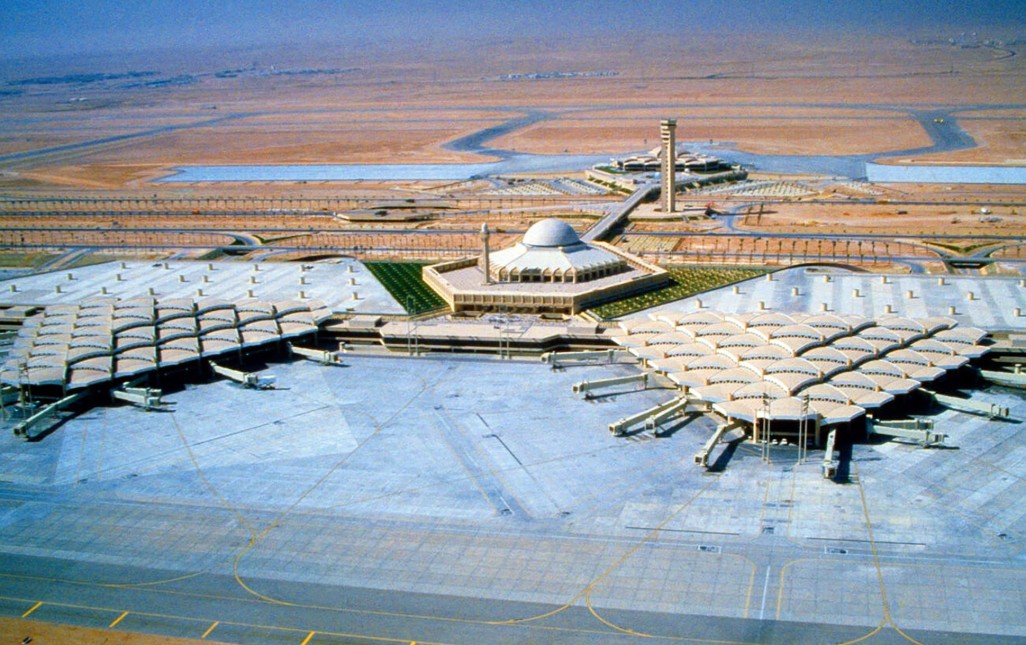
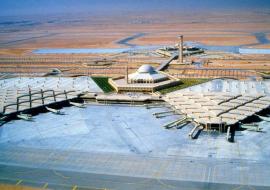
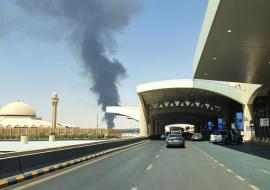
Aviation authorities in Saudi Arabia have officially announced the extended closure of King Khalid International Airport in Riyadh through October 17, following the severe security breach and infrastructure damage caused by recent regional conflict.
Civil aviation regulators confirmed that the extended suspension is necessary to allow engineering teams to complete structural repairs, clear debris, and certify safety systems across the affected terminal zones.
The prolonged shutdown of the vital Middle Eastern aviation hub continues to force major international carriers—including Saudia, Emirates, Qatar Airways, and British Airways—to maintain extensive flight cancellations, route diversions, and schedule adjustments. Air traffic control units across the Gulf region are coordinating alternative flight paths to bypass restricted airspace corridors, leading to extended travel times and increased operational overhead for intercontinental passenger and cargo services.
Transport ministry officials emphasized that safety remains the absolute priority while emergency engineering crews work around the clock to restore full functionality to passenger concourses and ground handling facilities. In the interim, regional tourism boards and corporate travel risk management firms are urging international passengers to avoid non-essential travel through the capital and utilize alternative transit hubs in neighboring countries.
Aviation economists note that the multi-day closure of such a critical international gateway presents substantial logistical challenges for global supply chains and passenger mobility networks. Airlines operating long-haul rotations between Europe, Asia, and North America are absorbing significant financial impacts as they reallocate fleet assets and accommodate stranded travelers under flexible rebooking waivers.
As aviation authorities prepare for a phased reopening slated for later in the week, global travel stakeholders remain vigilant regarding regional security developments. Industry experts conclude that the swift and transparent execution of infrastructure repairs will be vital for restoring passenger confidence and stabilizing commercial aviation traffic throughout the broader region.