Major U.S. Airlines Expand Transpacific Capacity Ahead of Autumn Shoulder Season
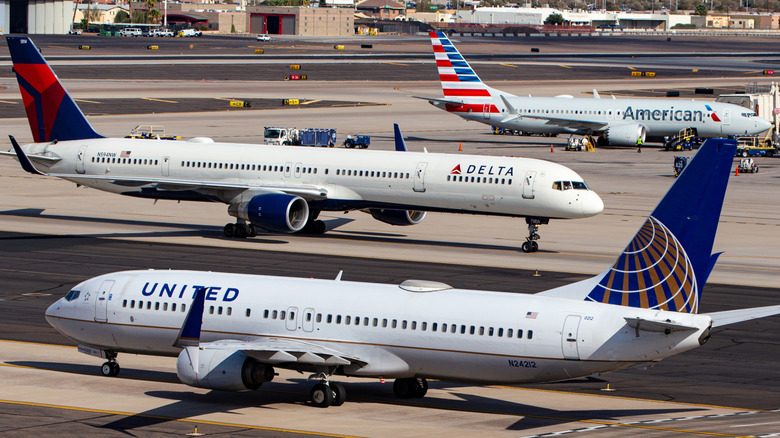
The international travel sector is experiencing a powerful surge in transpacific route expansions as major U.S. and Asian carriers finalize their autumn flight schedules. Driven by robust consumer demand for long-haul leisure travel and corporate mobility across Pacific corridors, airlines are increasing flight frequencies to key Asian metropolitan hubs, including Seoul, Tokyo, and Taipei.
Aviation network planners report that passenger load factors on transpacific routes have remained exceptionally high throughout the summer, prompting carriers to deploy advanced, fuel-efficient widebody aircraft equipped with multi-class cabin configurations. This strategic capacity expansion aims to capture high-yield business travelers while accommodating growing interest from leisure tourists exploring secondary Asian destinations.
Corporate travel managers have welcomed the expanded flight options, noting that increased routing choices provide greater schedule reliability and reduce itinerary friction for multinational enterprises. Travel agencies specializing in transpacific expeditions report strong forward-looking reservation trends extending well into the winter holiday booking window.
Environmental sustainability initiatives remain a core focus as carriers integrate next-generation aircraft and sustainable aviation fuel blends into their intercontinental networks. Airport operators across major U.S. gateway hubs are simultaneously upgrading terminal processing technologies to handle rising international passenger throughput smoothly.
Ultimately, the aggressive expansion of transpacific air corridors underscores the enduring strength and dynamism of the global aviation economy. By aligning fleet capacity with evolving consumer demand, international carriers are securing a highly profitable and resilient future for cross-border mobility.