New Air Traffic Controller Strike Notice in Belgium Threatens Christmas Flights
Union Notice Covers December 9, 2026, Through January 9, 2027, as Talks With Skeyes Continue and the Government Pushes Mandatory Minimum Service Rules
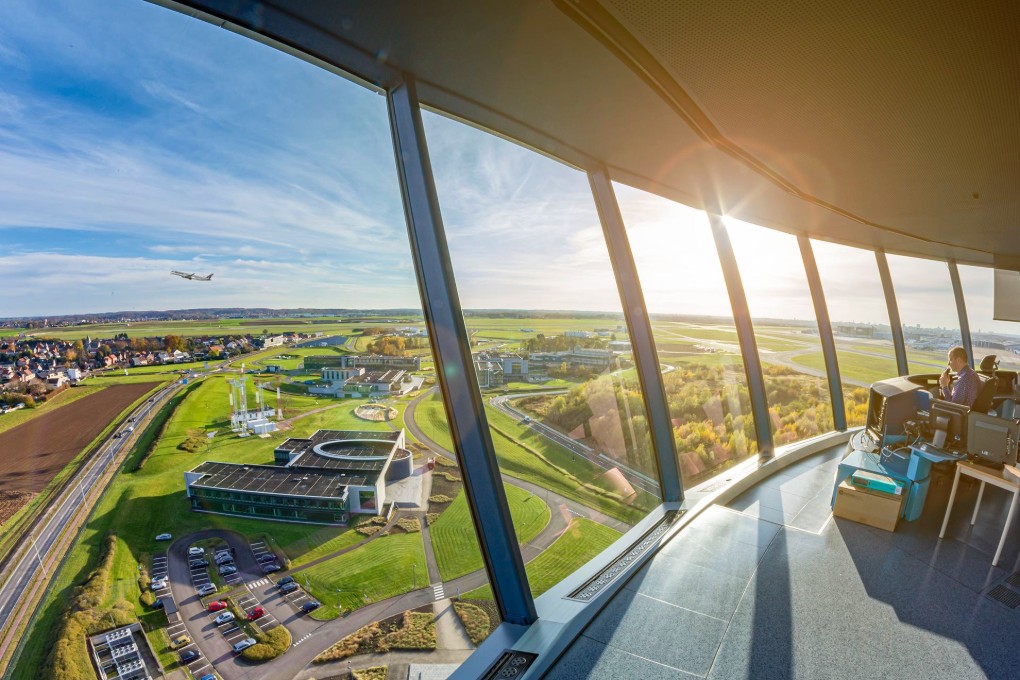
Fresh labor disputes threaten air traffic in Belgium over the Christmas period following a strike notice filed by the country's air traffic controllers for additional walkouts during the peak holiday season.
The strike window spans December 9, 2026, through January 9, 2027, potentially disrupting itineraries for travelers heading to Christmas markets, snow-sports destinations, family visits, or holiday getaways—though unions indicated they will try to avoid the peak Christmas holiday rush by scheduling any walkouts before December 20.
With talks between unions ACV-CSC-Transcom and VSOA-SLFP and air navigation service provider Skeyes scheduled through November 26, 2026, the filing serves as leverage to press demands over working conditions, rest periods, safety, and treatment of older staff, aiming to push Skeyes management toward a deal that prevents further holiday flight disruptions.
The notice arrives just after national strikes closed Belgian airspace on November 23, halting aviation across the country for several hours and forcing 404 flight cancellations at Brussels Airport—affecting more than 51,000 passengers—alongside disruptions at Charleroi and Liège airports. In that context, Skeyes spokesman Kurt Verwilligen said passengers and airlines were bearing the brunt of the dispute and faulted unions for previously failing to secure member backing for a labor plan agreed upon for Charleroi operations.
The filing also coincides with Federal Mobility Minister Jean-Luc Crucke's announcement of draft legislation to impose minimum air traffic control services during strikes. Belgian airports and airlines have repeatedly argued over the past two years that the operational, economic, reputational, and personal toll of intermittent walkouts is disproportionate to the labor demands, hoping enactment of the law will curb future disruptions.
For carriers such as Brussels Airlines, that reform is urgent; following the November 23 stoppage, the airline lamented that its passengers and staff once again had to absorb the fallout of a strike while teams worked nonstop to manage cancellations and limit customer inconvenience.
Compounding the threat of further walkouts are persistent bottlenecks at Brussels Airport, where travelers face long lines at security and passport checks that put flights and connections at risk. Even as the airport accelerates infrastructure upgrades and staffing ahead of European Union EES border protocols, wait times of up to four hours have been reported outside strike days—a delay that can worsen when walkouts push two days' worth of passengers onto a single day.