Top US Airlines Implement Strategic Flight Reductions Amid Historic Fuel Price Surges
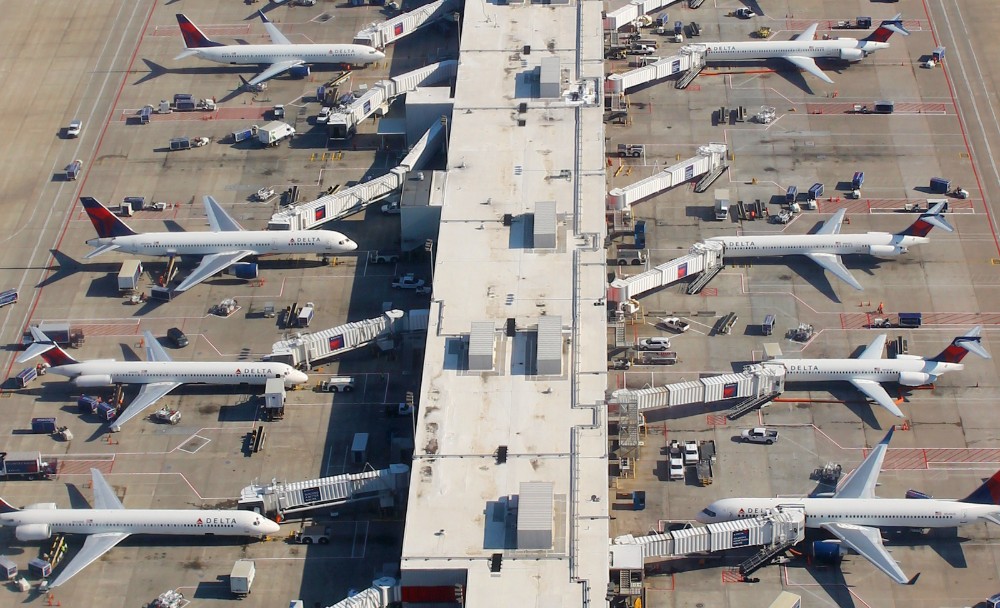
Major commercial carriers across the United States are actively downsizing their operational capacity by scaling back low-fare flight frequencies in response to a historic surge in jet fuel prices.
Industry disclosures from key enterprises including United Airlines, American Airlines, and Southwest Airlines confirm that escalating energy expenditures are forcing corporate executives to aggressively trim underperforming routes to protect profit margins.
Financial analysts note that the recent wave of capacity adjustments targets budget-friendly itineraries and secondary routes that experience tighter operating margins when energy overhead escalates rapidly. Executive leadership teams explained that while overall consumer demand remains robust across core networks, maintaining secondary routes with lower baseline yields has become economically unsustainable under current market realities.
The strategic pullbacks are expected to significantly impact budget-conscious travelers who rely on highly discounted fares for domestic and regional transit. Industry experts indicate that carriers are shifting their commercial focus toward premium offerings, ancillary service monetization, and high-yield business corridors to offset the mounting costs associated with refinery price spikes and international supply chain pressures.
Transportation economists emphasize that these systematic reductions reflect a broader structural shift within the American aviation sector, where carriers prioritize yield management over aggressive volume expansion. By tightly controlling seat availability and aligning flight frequencies strictly with peak demand patterns, airlines aim to stabilize their financial performance despite persistent macroeconomic volatility.
Ultimately, these adjustments underscore the delicate balance commercial carriers must maintain between operational capacity and soaring overhead expenditures. Industry stakeholders anticipate that tighter seat inventories will likely sustain elevated ticket prices across major domestic markets for the remainder of the upcoming travel cycle.