United Airlines Announces Complete Withdrawal from Mexico's Tulum
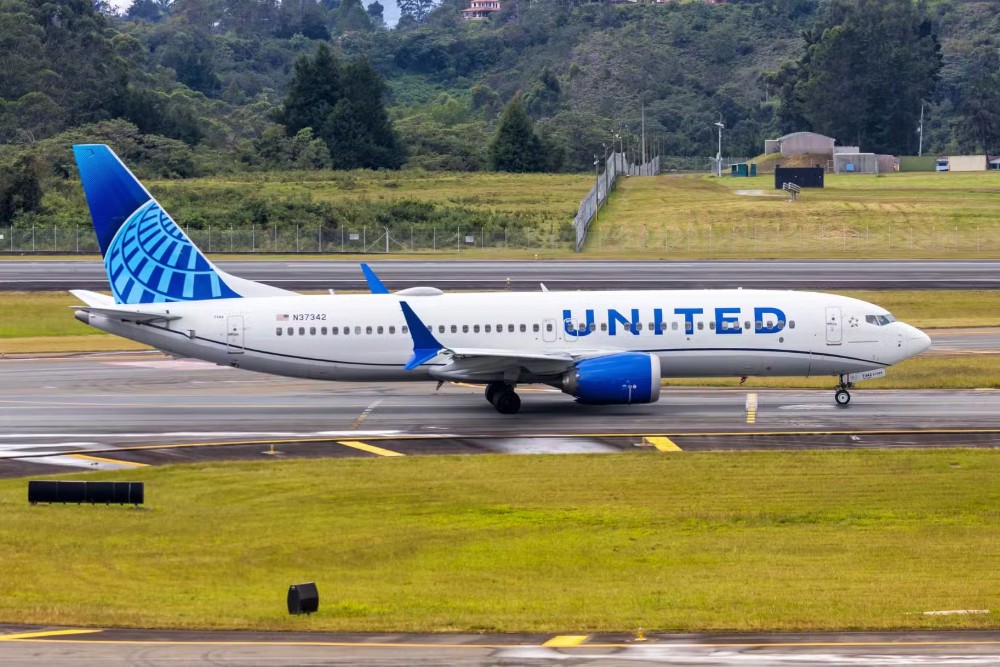
Commercial aviation leader United Airlines has officially confirmed its impending departure from the international airport serving Tulum, marking a significant strategic retreat from the emerging tourism gateway in the Mexican Caribbean.
The major U.S. carrier will terminate its remaining direct routes from key domestic hub airports following weaker-than-anticipated consumer demand and shifting regional travel patterns.
The airline previously scaled back initial connectivity plans that linked the regional airfield with major metropolitan centers across the United States. Following the elimination of earlier seasonal routes, company executives confirmed that final flight departures from primary eastern and southern aviation hubs will conclude early in the upcoming year, with affected passengers automatically receiving full refunds.
Competitor carriers within the North American aviation market have similarly adjusted their operational capacity for the destination, responding to broader trends in leisure travel bookings and localized accommodation pricing structures.
While select major carriers maintain limited flight schedules, overall seat capacity into the developing airfield has experienced a notable contraction since initial international service launch protocols were established.
Aviation market analysts attribute the readjustment to travelers favoring established regional hubs equipped with extensive carrier networks, competitive fare structures, and mature ground transportation infrastructure.
Nearby primary international airports continue to capture the vast majority of leisure traffic bound for the wider regional resort corridor, offering greater operational flexibility for commercial airlines.
Airline stakeholders conclude that redirecting fleet capacity toward established high-yield corridors ensures long-term operational profitability and optimized resource allocation across global airline networks.