TIS 2026: Google Showcases Next-Generation AI Travel Agents Revolutionizing Global Search, Booking
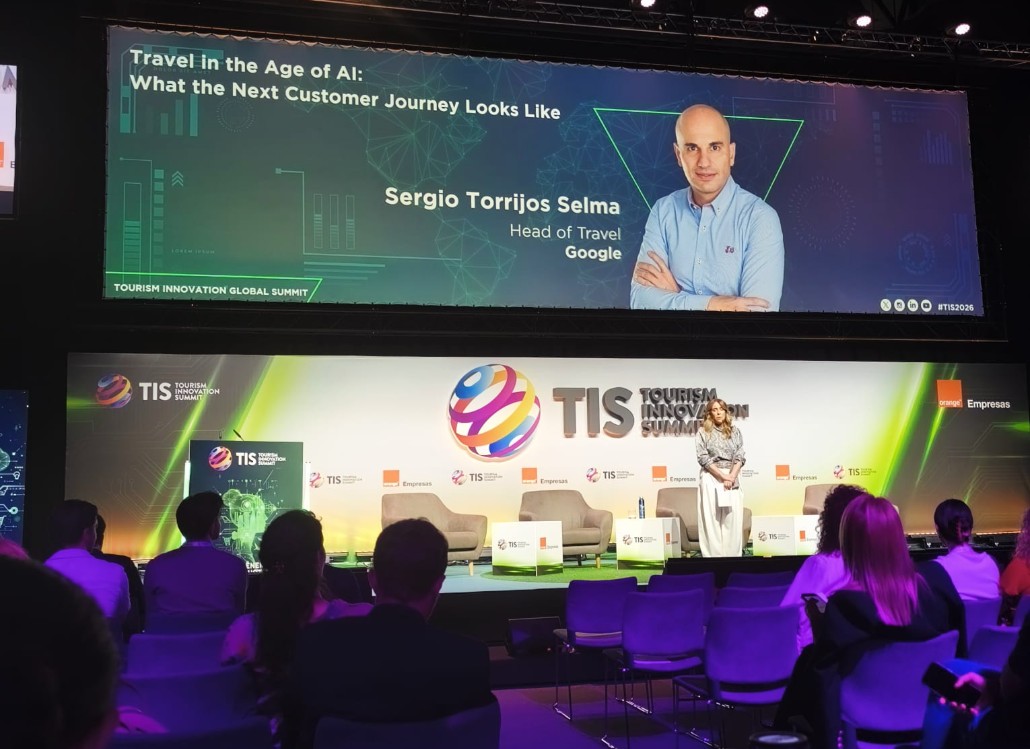
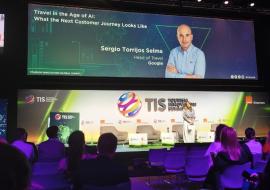
Technology giant Google has taken center stage at the Tourism Innovation Summit 2026 in Seville, demonstrating groundbreaking advancements in autonomous artificial intelligence agents designed to transform the entire travel search and booking lifecycle.
Corporate technology presentations highlighted how conversational machine learning models are shifting the paradigm from static web browsing to hyper-personalized, end-to-end itinerary orchestration for modern consumers.
During the high-profile industry gathering, technical specialists showcased how advanced conversational interfaces can simultaneously analyze multi-variable consumer preferences, real-time flight availability, and dynamic hotel inventory to generate bespoke travel packages in seconds. Industry analysts emphasize that these sophisticated digital assistants effectively eliminate the friction of traditional multi-tab web research, offering travelers a seamless, unified conversational journey from initial inspiration to final payment execution.
Hospitality executives and tourism boards attending the international summit noted that the integration of autonomous artificial intelligence agents will fundamentally alter how hotels and airlines distribute inventory and interact with digital consumers. Rather than relying solely on traditional online travel agencies, hospitality brands are rushing to optimize their Application Programming Interfaces to ensure seamless compatibility with emerging voice and text-driven booking platforms.
Furthermore, corporate strategists pointed out that these machine learning tools leverage predictive analytics to anticipate traveler needs, suggesting hyper-targeted excursions, dining options, and local experiences based on historical behavioral patterns. Tourism technologists underscored that this level of proactive personalization significantly elevates customer satisfaction while opening new revenue streams for responsive destination marketing organizations.
As the annual summit continues to explore the intersection of digital innovation and sustainable tourism management, industry leaders agree that autonomous booking agents represent a permanent shift in travel retail. Experts conclude that hospitality enterprises failing to adapt their distribution architectures to accommodate artificial intelligence-driven ecosystems risk losing critical market share to more digitally agile competitors.