Dubai Is All the Rage with Tourism Resilience, Global Strategy and Future Vision at ATM
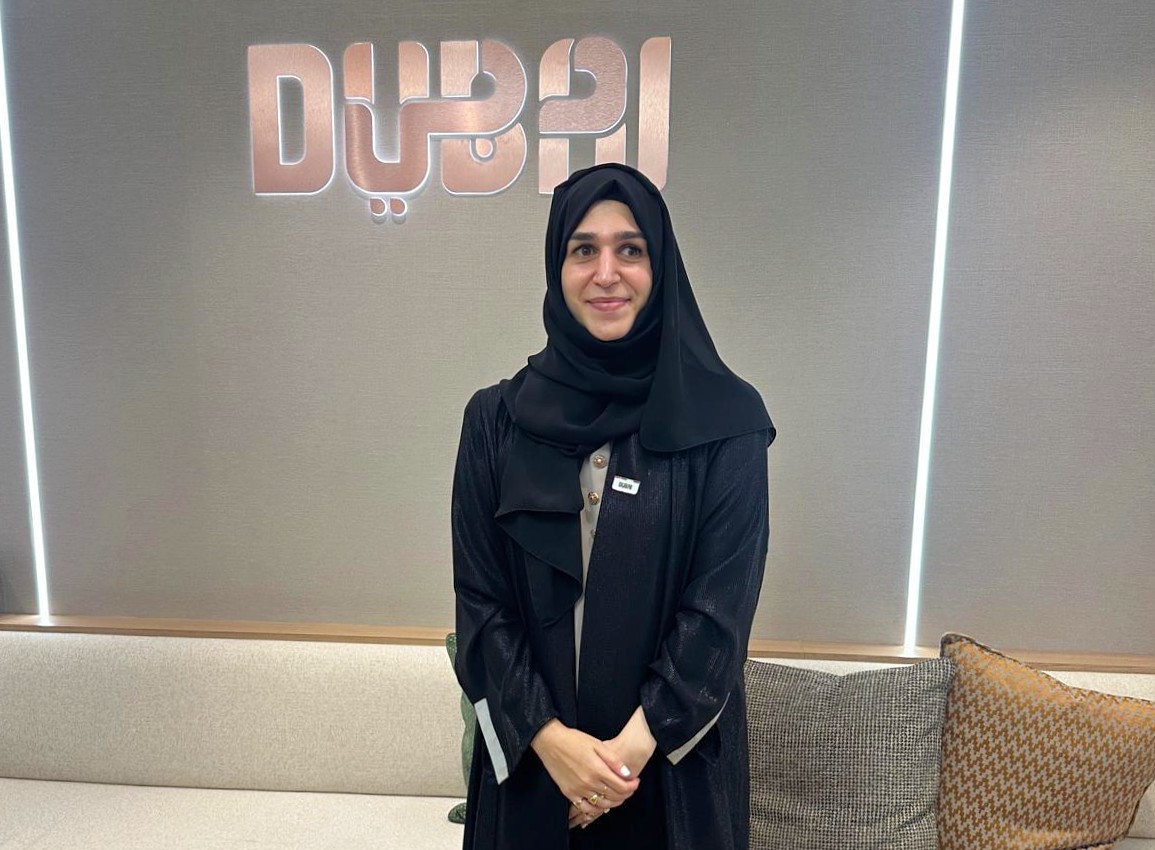
The global tourism industry faces constant challenges, but few destinations possess the adaptability and resilience that Dubai has demonstrated in recent years.
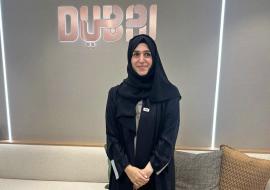
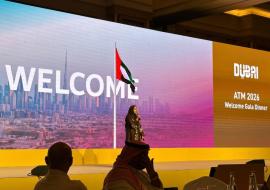
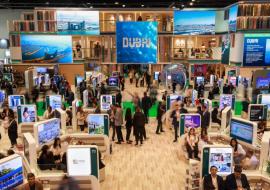
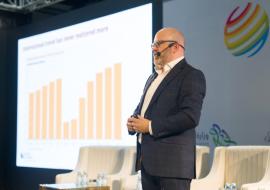
During a recent press conference and Q&A session with international media within the framework of the thirty-third edition of ATM (Arabian Travel Market)—an event rescheduled from May to the current month thanks to close coordination between the public and private sectors—Hoor Al Khaja, Senior Vice President of International Operations at the Dubai Corporation for Tourism and Commerce Marketing (DCTCM), detailed the pillars of its recovery, key sector figures, and goals toward the ambitious long-term plan known as D33.
The meeting, structured as an open dialogue with specialized journalists from diverse latitudes, allowed for the dissection of how the emirate has managed to weather macroeconomic and regional storms, maintaining steady growth and reinforcing the confidence of international investors.
At the start of the session, the representative of the tourism administration underlined that current success does not respond to an improvised effort nor is it limited to the conjuncture of the moment.
“For us, everything we do is not about the now. We have spent years and years building trust with the international community and with local businesses”
That long-term vision is sustained by continuous investments in infrastructure, urban development, and air connectivity through key airlines like Emirates and Flydubai. Far from being paralyzed by regional difficulties or the extraordinary climatic events of the past, the emirate has applied a formula based on institutional agility and active listening to the business sector.
The numbers presented during the event reflect enviable health in the hospitality sector. In the first eight months of the year, the destination welcomed nearly 7 million visitors. In the month of August alone, the figure hovered around 870,000 tourists, representing a 63% recovery compared to the same period of the previous year, despite ongoing structural challenges.
Likewise, hotel performance yielded more than 21 million occupied room nights between January and August, positioning the emirate among the top ten global cities in this category. Diversification remains the core of its commercial success:
Western Europe remains the main source market, steadily contributing 20% of total tourists.
The operational network simultaneously spans more than 80 source markets, avoiding excessive dependency on a few territories.
The business travel and events segment (MICE) has shown outstanding robustness, opting to reschedule appointments rather than cancel them in the face of any eventuality.
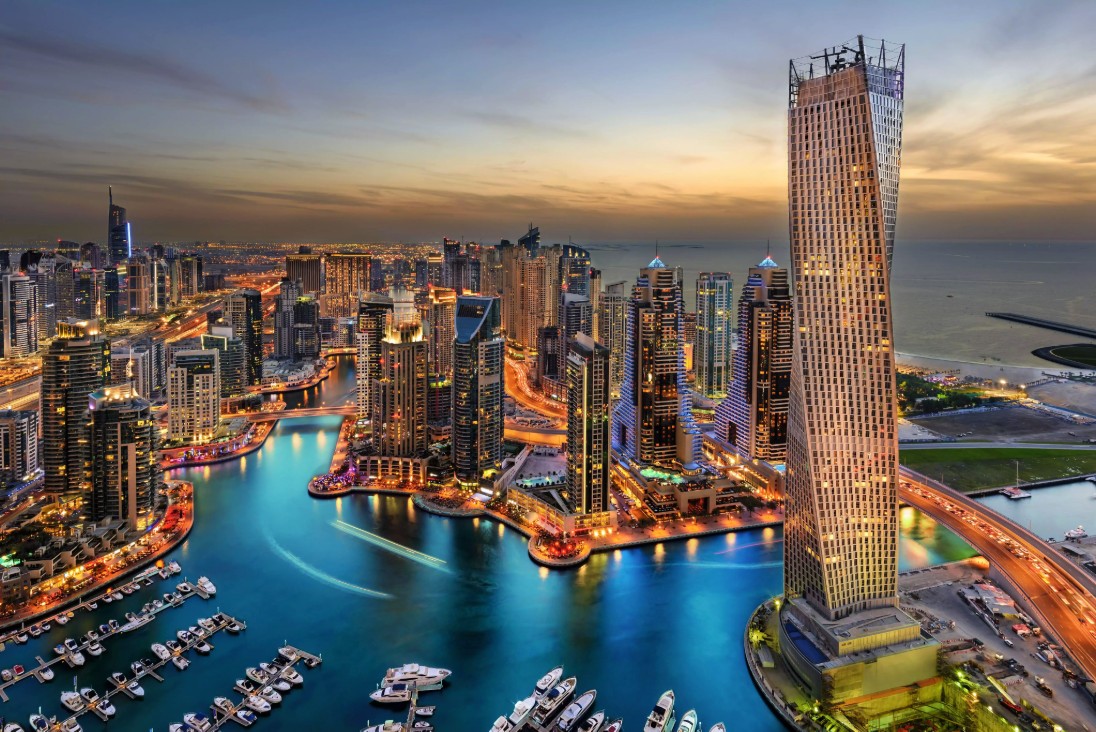
The Challenges of the New Traveler and the Commitment to Spain and Latin America
During the open question-and-answer session, in which specialized media from Europe and America participated, critical questions were addressed regarding the destination's adaptation to new global demands, the role of Spanish-speaking markets, and innovations in terms of sustainability and accessibility.
How is Dubai addressing the current geopolitical moment, and has this caused changes in its tourism or international strategy?
We are not oblivious to the challenges. Every crisis is different, whether it is the financial crisis, the pandemic, or exceptional weather situations. However, our success factors repeat themselves: very clear direction from the leadership without wasting time in sterile debates, sustained investment in infrastructure, and a symbiotic relationship between the public and private sectors based on institutional trust. We are not insensitive to the context; we review the pulse of each market day by day and only activate promotional campaigns when the terrain is ideal and transport links operate with total normality.
From the perspective of the Spanish and Latin American markets, what is the current strategic weight, and what growth potential is envisioned?
Spain is unquestionably one of our priority markets within Western Europe. We maintain very solid strategic alliances not only in the sphere of tourism trade, but also in sports, such as our sponsorship with Real Madrid. Similarly, the markets of Hispanic America and Mexico count on dedicated teams and linguistically adapted content, taking advantage of the excellent connectivity that Emirates offers toward those regions.
The current traveler seeks more than just luxury and shopping. How is Dubai evolving toward sustainability, accessibility, and new niches like longevity?
Sustainability is a real and transversal commitment. This year we have awarded 237 hotels under our sustainable tourism criteria, which implies a 55% increase compared to the previous year.
Regarding accessibility, we have progressed in an integral manner, highlighting certifications as an autism-friendly destination at airports and unique initiatives on free public beaches with ramps and amphibious chairs. Furthermore, we are paving the way in emerging niches like wellness and longevity, with the recent creation of a specialized authority.
Social Innovation: The Campaign That Conquered Residents
One of the most discussed points during the conference was the resounding success of the "Dubai Invite" initiative, a pioneering approach that turns the emirate's own inhabitants into tourism ambassadors. Hosting more than 200 nationalities that coexist while preserving their cultural identity, the city decided to reward residents who invited friends and family through a digital platform.
The response exceeded all internal forecasts, reaching 90,000 nominations and attracting 75,000 visitors in its first phase. This collaborative tourism and proximity strategy demonstrates that the city's greatest asset is its own multicultural community.
With sights set on the D33 strategic plan, which seeks to consolidate the emirate among the best cities in the world to visit, live, work, and invest, development projects do not stop. Among them, the future airport expansion projected in phases up to 2030 and 2032 stands out, which contemplates a final capacity of 260 million passengers under strict 100% renewable energy standards.
For those travelers visiting the destination for the first time, the recommendation of local experts summarizes the essence of this cosmopolitan enclave: “I suggest coming during the winter months, between November and March. In a single day, you can contemplate the sunrise in the desert, enjoy the crystalline waters on the coast, and stroll at sunset through the traditional markets of Dubai's historic area.