Brazil Tourism Board Unveils Aquarela 2020


Major global sporting events provide unique tourism opportunities for host destinations. And, as host to both the 2014 World Cup and the 2016 Olympic Games, Brazil is in a distinct position to achieve new heights in its efforts to promote tourism to a global audience as a leading South American and emerging world destination.
The Brazilian Ministry of Tourism, through EMBRATUR, today unveiled its Plano Aquarela 2020 to key public and private players in the tourism sector. The international tourist marketing strategy sets forth goals and objectives over the next decade outlining work highlighting five key areas: sun and beach, eco-tourism, culture, sports and business/events.
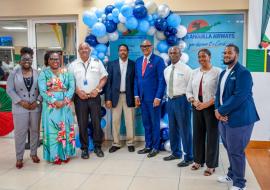
Officials present at the plans’ launch in Rio de Janeiro included Minister of Tourism Luiz Barretto and EMBRATUR President Jeanine Pires.
Various strategies and tactics which leverage enormous exposure for a country before, during and after large events ultimately boost its economy, transform its cities and change or improve its image as a tourist destination.
Plano Aquarela calls for a closer look at Brazil’s global status and perception after the two global sporting events, when the country’s image and infrastructure will have achieved greater accomplishments, and stipulates targets for inbound, foreign visitors and international revenue through 2020.
The estimates in the plan are based on an analysis of tourism growth in past host countries for both the Olympic and Paralympic Games and the World Cup. This analysis also details differentiating points Brazil offers as compared to past host countries. Key categories of differentiation include neighboring countries, accessibility by air and land, flight time to the country and status as a tourist/event destination in the years before hosting the event(s).
The scheduled activities for 2010 lay the foundation for seizing opportunities available at the culmination of the World Cup in South Africa. At that point Brazil, per the International Federation of Association Football (FIFA) rules, is allowed to actively promote itself as the 2014 World Cup host.
The 2010 South Africa World Cup will host a Brazilian exhibition space and public relations events for media, opinion leaders and sports enthusiasts in addition to the general public present at the games and events.
A major challenge Brazil faces in promoting international tourism is achieving a unified message for global distribution. To combat this, EMBRATUR plans to provide host cities with a single, consolidated kit of promotional and information materials bearing a common message and visual identity to be used abroad starting July 2010.
On a global scale, the plan calls for events promoting Brazil at the FIFA Fun Fest and a greater launch of a worldwide communication campaign - inclusive of advertisements and public relations activities - promoting Brazil’s status as host country of the 2014 World Cup.
To demonstrate Brazil’s diversity and the nation’s elation as host, the program also calls for street performances accompanying the Brazilian national team games and initiatives providing exposure to Brazilian products at shopping centers and cultural events.