Hong Kong Tourism Promotes Outdoor Attractions, Activities
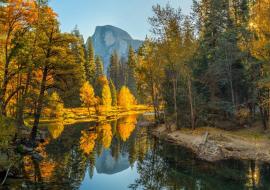
Hong Kong is adapting its marketing strategy to accommodate the growing demand for active vacations by promoting its outdoor attractions, including mountains, valleys, coastlines and walking trails within easy reach from the city. Seventy percent of Hong Kong is undeveloped open land, 40 percent of it officially preserved in 23 Country Parks, four Marine Sanctuaries and four major hiking trails.
This fall, hikers can discover the MacLehose Trail -- Hong Kong’s longest and most spectacular -- through guided hikes offered every Sunday, Nov. 7 through Dec. 5. Stretching 100 kilometers from Sai Kung’s Pak Tam Chung through the Kowloon Mountains, swinging around the Shing Mun Reservoir to end at Tuen Mun, the MacLehose Trail affords views of the sea and mountain ranges and contrasting terrain and rock formations in 10 sections of varying difficulty (some quite challenging), five to 16 kilometers long.
The guided hikes, graded from fairly difficult to very difficult, vary from four to eight hours in duration. Free roundtrip transportation will be provided from Tsim Sha Tsui. Advance booking is available at Hong Kong Tourism Board (HKTB) visitor centers -- The Peak, Tsim Sha Tsui, Airport and Lo Wu.
Less-rigorous walks are described in small guidebooks with maps and detailed descriptions of the natural attractions and hiking conditions on Hong Kong Island, the Eastern and Western New Territories and the outlying islands, plus hiking tips. These are downloadable and offered complimentary at www.discoverhongkong.com. Also available is a detailed guide to the MacLehose Trail, open to self-guiding hikers year-round with the option of campsite stays at strategic locations along the way.
“First time visitors are amazed by the natural beauty of Hong Kong’s great outdoors that surrounds the city,” said Bill Flora, director, USA, of the Hong Kong Tourism Board. “Being able to combine town and country, dining and shopping with scenic hiking or exploring nature, reveals yet another aspect of the destination’s multifaceted allure for U.S. travelers.”
Hong Kong’s newest attraction, the National Geopark, 50 square kilometers that span the Eastern and Northeastern New Territories, is a depository of unusual rock and other natural formations divided into the Northeast New Territories Sedimentary Rock Region and the Sai Kung Volcanic Rock Region. Within the two regions lie eight different geographic areas with intriguing landforms and natural formations distinct to Hong Kong including such diverse features as a magnificent blue reservoir and a columnar structure of hexagonally shaped volcanic rock.
While Hong Kong’s Victoria Harbor setting is its best known environmental feature, its natural wonders do not end there. The Eastern New Territories on the Chinese mainland contain some of Hong Kong’s most remarkable scenery, which is why it’s called the “back garden” of Hong Kong.
The Western New Territories is a Ramsar-protected wetlands site of global significance, featuring 607 acres of rich biodiversity that is home to one of Hong Kong’s most stunning attractions, the Hong Kong Wetland Park. Hong Kong Island itself also has a wetland park and several hiking trails including the “Dragon’s Back,” which undulates along atop a high ridge regarded by Hong Kong locals as the spine of a dragon.
Adventure and natural attractions in Hong Kong Island, the New Territories of East and West, and Outlying Islands are easily accessible by bus, train, taxi or ferry. Hong Kong’s prime outdoor season is October through March with special travel packages/tours available for travelers who want to actively embrace more of Hong Kong’s stunning environs.