Spirit Airlines Collapse Laid Bare Loopholes in the Travel Insurance Framework
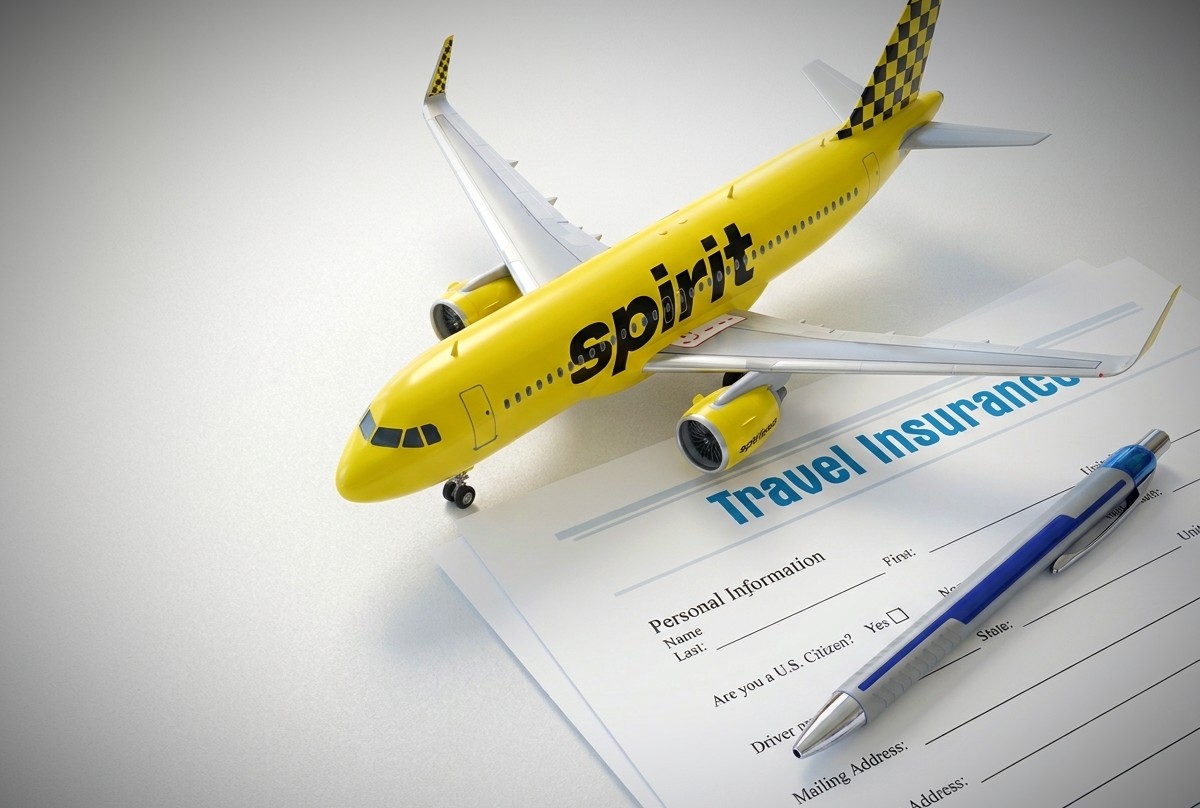
The sudden suspension of operations by Spirit Airlines has laid bare significant regulatory and contractual gaps that leave thousands of unprotected passengers facing severe financial losses.
According to data compiled by specialized consumer protection platforms, numerous travelers who acquired comprehensive insurance policies mistakenly assumed they would receive complete financial reimbursement following the carrier's sudden collapse.
Industry experts emphasize that insurance underwriters possess the legal authority to classify a commercial carrier's mounting financial distress as a known risk long before formal bankruptcy proceedings are finalized.
Consequently, standard provisions covering financial default—designed theoretically to refund non-refundable travel expenses when an airline becomes insolvent—often exclude payouts if the carrier's instability was widely publicized prior to policy purchase.
Risk analysts note that policyholders must navigate strict contractual stipulations, including precise purchase windows and insurer-specific airline eligibility lists.
These complex legal requirements mean that possessing a standard policy provides no automatic guarantee of compensation, prompting heightened scrutiny across the broader aviation market regarding the financial stability of other major operators.
In response to these emerging challenges, tourism experts and travel advisors are urging consumers to adopt proactive risk management strategies when booking future itineraries.
Essential recommendations include securing travel insurance immediately upon making initial trip deposits, verifying specific carrier coverage with underwriters beforehand, and closely monitoring industry financial reports.
Recent market events demand greater transparency and updated consumer protections across the global travel sector. Industry leaders affirm that enhanced collaboration between insurers, travel agencies, and regulatory bodies remains vital for safeguarding passenger investments and maintaining consumer confidence in the modern tourism economy.
You Might Also Like This