
Anonymous Bomb Threats Trigger Severe Operational Disruption Across European Airspace and Commercial Airlines
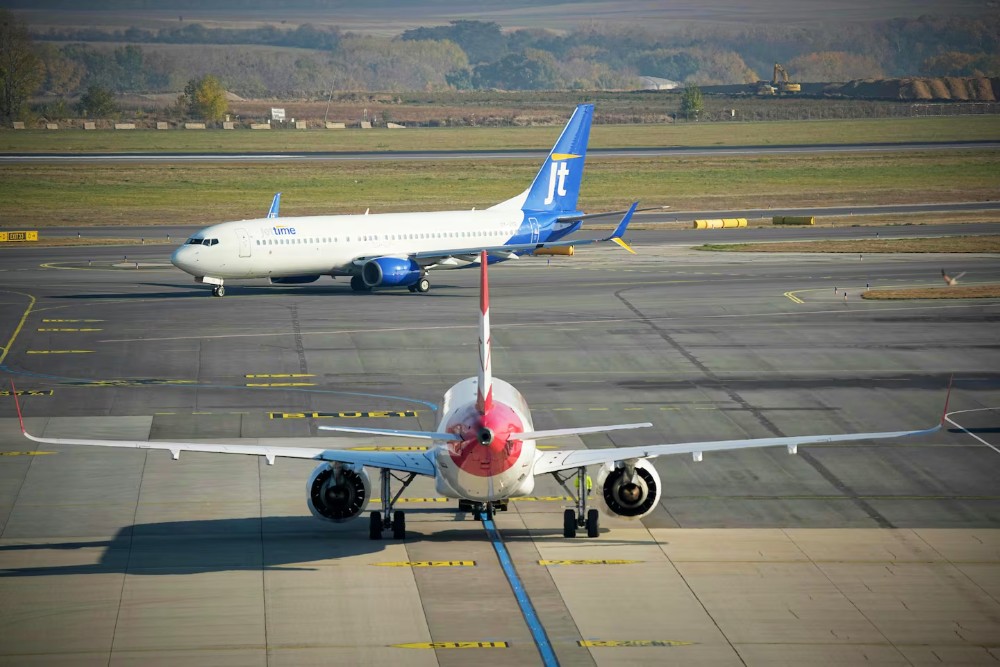
A coordinated wave of anonymous security threats targeting major commercial carriers has caused widespread operational disruption across continental European airspace, forcing emergency flight diversions, military fighter jet escorts, and exhaustive runway security inspections.
Aviation authorities and law enforcement agencies confirmed that the alarming communications ultimately proved to be false alarms, though the incidents triggered immediate international emergency protocols.
Initial security alerts centered on inbound flights bound for Rome, following anonymous electronic communications received by airport management authorities warning of alleged explosive devices on multiple aircraft in transit. The sophisticated nature of the digital threats mandated strict adherence to international safety protocols, requiring immediate intervention by specialized bomb disposal units, air traffic control centers, and military defense forces.
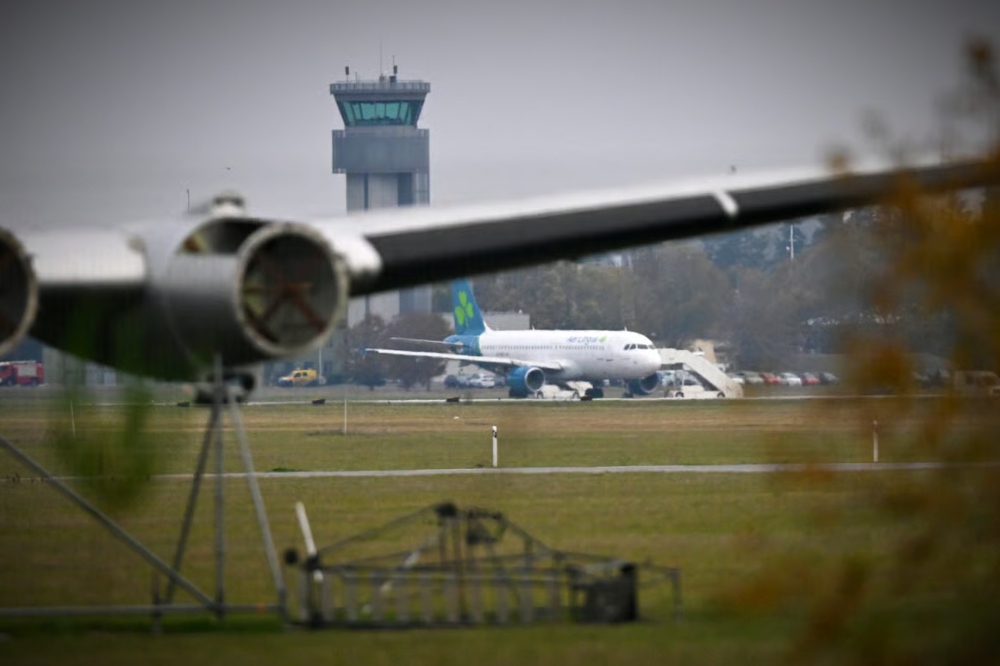
Multiple prominent international airlines experienced severe disruptions during mid-flight operations, affecting hundreds of passengers and flight crews across various regional corridors:
Aer Lingus: A scheduled service operating between Dublin and Rome was forced into an emergency diversion toward a military air base near Paris, where security teams conducted exhaustive physical inspections.
Finnair: Two separate commercial flights encountered direct security alerts, with one connection receiving airborne interception and escort by Italian military fighter jets prior to landing at Fiumicino Airport.
LOT Polish Airlines: Aircraft departing Warsaw toward western European hubs encountered mid-route security warnings, necessitating comprehensive tarmac screenings upon arrival.
Ryanair and Wizz Air: Several regional trajectories approaching eastern and central European destinations were rerouted to secondary airfields for mandatory safety verifications.
Industry analysts emphasize that while flight tracking networks rapidly stabilized general scheduling parameters, the security crisis underscores ongoing vulnerabilities within modern civil aviation frameworks. The ease with which anonymous digital communications can mobilize military assets and paralyze regional transport networks highlights the urgent need for enhanced cyber intelligence and advanced threat-filtering protocols across international aviation regulatory bodies.