BermudAir Launches Sweeping Transnational Network Expansion Across High Value Island Corridors
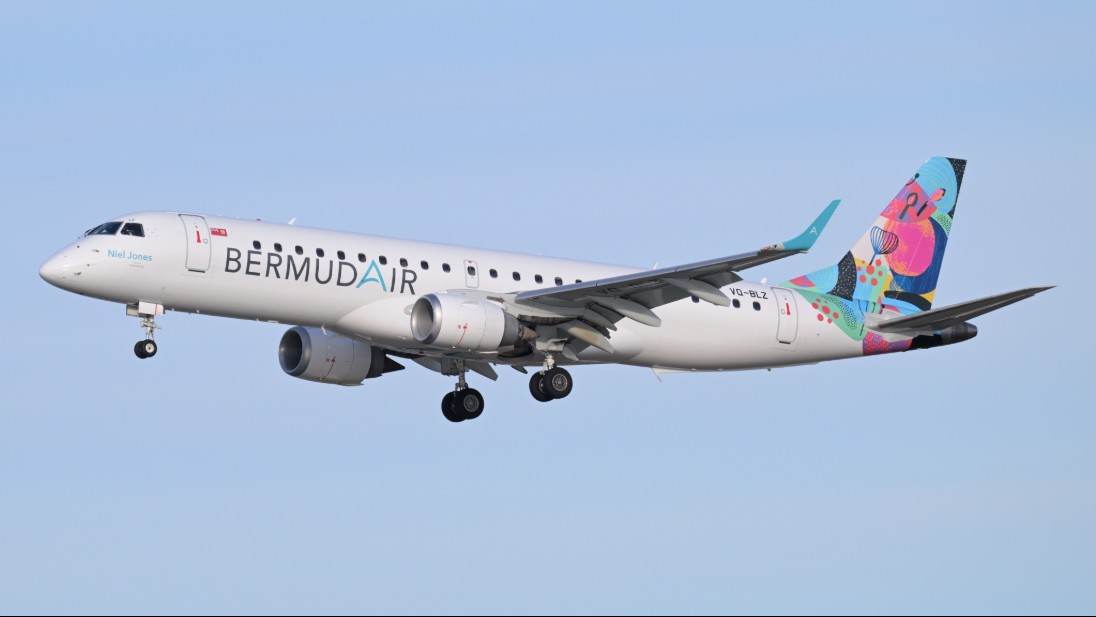
The competitive architecture of intra-regional luxury aviation is entering an aggressive phase of consolidation following a series of massive route announcements.
Premium boutique carrier BermudAir officially finalized one of the most comprehensive network expansions in its corporate history, targeting several high-demand destinations. The targeted scheduling expansion introduces direct, non-stop connectivity linking premier North American departure hubs with Turks and Caicos, Anguilla, and Belize.
The strategic routing blueprint is specifically engineered to eliminate historical connecting frictions by establishing exclusive non-stop options from underserved source markets. The fast-growing carrier will operate as the sole non-stop service provider connecting Turks and Caicos with Raleigh-Durham and Fort Lauderdale. Furthermore, innovative routing structures will allow transatlantic travelers originating from Newark and Baltimore-Washington to seamlessly continue on to Anguilla via Providenciales.
According to aviation finance analysts, the aggressive capital deployment positions the airline to capture an outsized share of the high-margin winter leisure segment. By utilizing modern, premium-configured regional jets, the carrier can maintain exceptional yield metrics while operating into high-barrier island runways. The network expansion effectively challenges legacy network carriers by offering affluent vacationers a significantly compressed, luxury-focused transit alternative to traditional hub connections.
The massive scheduling expansion is also driving immediate infrastructure upgrades across the carrier's primary partner terminals to accommodate enhanced passenger processing volumes. Airport authorities in targeted island gateways are fast-tracking the construction of dedicated premium passenger lounges and accelerated customs processing lines. These structural terminal enhancements are being synchronized with the incoming flight schedules to ensure an uncompromised end-to-end luxury travel experience.
Additionally, tourism development boards within the newly connected territories are projecting an immediate inflation of international visitor expenditure metrics. Local boutique hotel operators report a significant uptick in advanced reservations originating from the specific North American sub-markets targeted by the airline. The localized commercial windfall underscores the profound reality where direct air accessibility remains the primary catalyst for luxury real estate monetization.
As the carrier prepares to initiate these highly anticipated winter flight schedules, industry observers predict a competitive response from entrenched legacy airlines. Analysts suggest that the introduction of direct, point-to-point luxury transit will force broader ticket-pricing recalibrations across major southeastern hubs. The escalating market competition confirms that the carrier has successfully transformed its corporate identity to become a dominant structural innovator within modern Caribbean civil aviation.