
Federal Regulators Confirm Additional Production Delays for Boeing 777-X Program
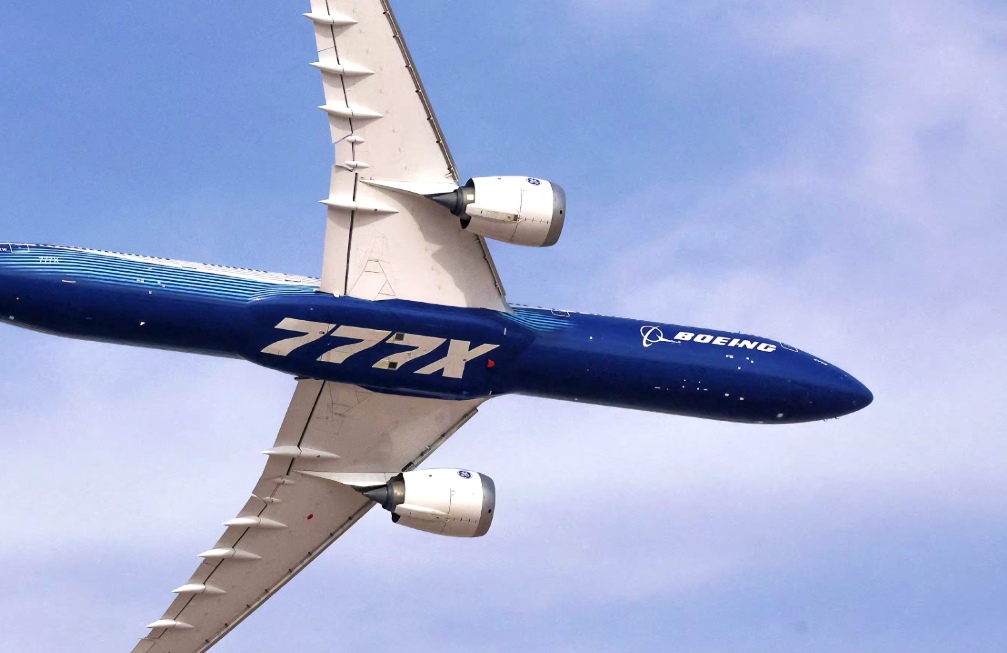
The international aviation sector faced another disruption as federal oversight officials confirmed that the troubled Boeing 777-X program will experience further entry-to-service delays. The highly anticipated widebody aircraft is now officially pushed back, altering the long-term fleet strategies of major global carriers.
Speaking at an industry summit, administrative leaders from the Federal Aviation Administration indicated that rigorous evaluation metrics require extended testing protocols. The regulatory body remains steadfast in its commitment to absolute safety compliance before granting full type-certification.
The updated schedule presents immediate capacity complications for premium operators who heavily anticipated the arrival of the massive Boeing 777-9 variant. Airlines are now forced to prolong the lifespans of aging widebodies, escalating maintenance overhead across international networks.
Technical challenges involving propulsion systems and complex flight control software have repeatedly hamstrung the development cycle of the twin-engine jet. Engineers continue to refine structural components to satisfy modern environmental metrics and extreme operational stress thresholds.
This prolonged manufacturing bottleneck alters competitive dynamics, allowing international rivals to secure market share in the lucrative widebody sector. Fleet managers are increasingly looking toward alternative available models to satisfy immediate passenger traffic growth.
Financial analysts warn that the delay will compound supply chain backlogs and strain corporate liquidity for the domestic manufacturing titan. The organization must now navigate intense structural scrutiny while managing mounting contractual penalty clauses from disgruntled global buyers.