Technical Glitch Forces Alaska Airlines to Cancel 42 Flights Nationwide
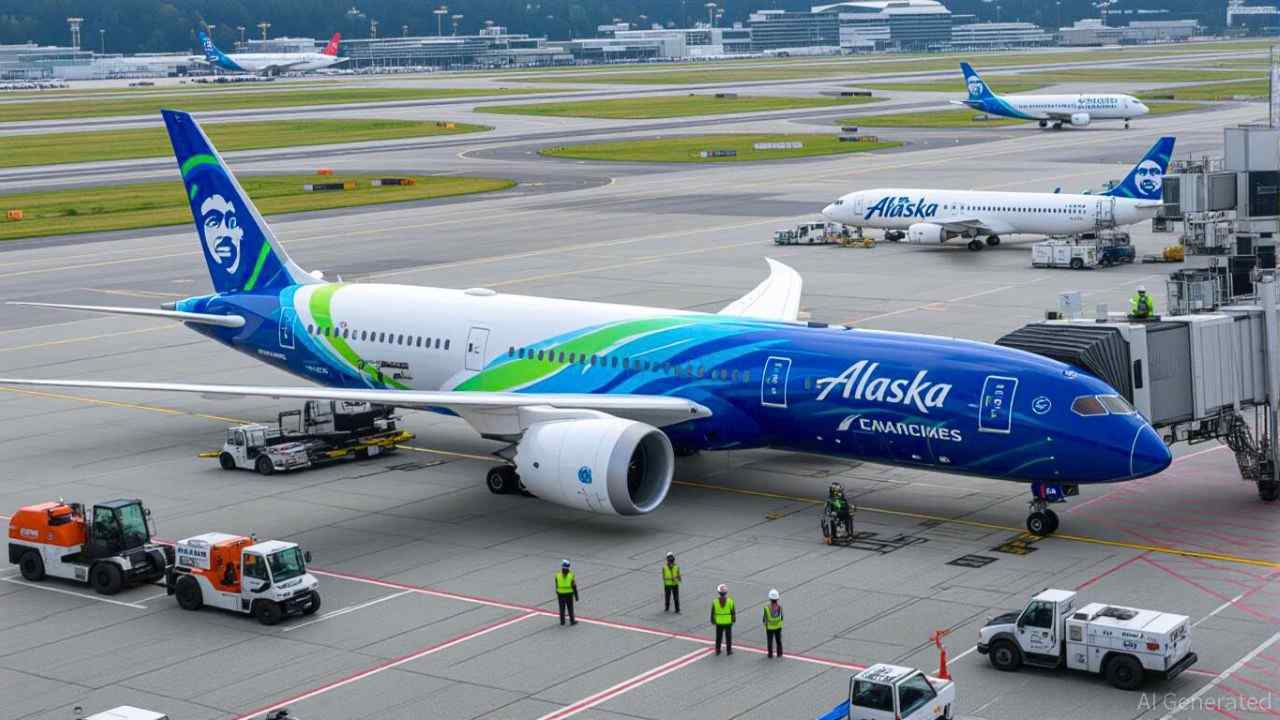
A critical system malfunction inside Alaska Airlines' primary routing infrastructure forced the carrier to cancel 42 scheduled morning flights. The localized technical error severely disrupted early departures across the Pacific Northwest, immediately snarling travel plans for thousands of passengers during a high-volume operational period.
According to internal airline communications, engineers identified the operational anomaly within the carrier's flight dispatch system, the critical software framework responsible for generating precise navigation blueprints, monitoring payload balances, and securing tower clearances.
The automated system failed to properly synchronize current fuel weights and crew schedules with standard air traffic control databases, effectively rendering dispatch teams unable to legally clear aircraft for takeoff.
Hub Bottlenecks and Root Cause Analysis
The logistical fallout heavily concentrated around the airline's primary West Coast strongholds, specifically impacting operations at Seattle-Tacoma International Airport and Portland International Airport. Technical personnel discovered the system failure, which triggered an immediate, localized ground delay protocol that paralyzed early outbound flows for roughly three consecutive hours while ground crews attempted manual overrides.
Affected Airport HubsPrimary Nature of Software FailureImplemented Recovery Solutions
Seattle-Tacoma (SEA)Database weight synchronization anomalyManual pilot validation protocols
Portland (PDX)Automated dispatch processing failureStrategic flight re-routing measures
Network OutliersDownstream crew positioning delaysComplimentary passenger travel vouchers
The carrier's technical management team confirmed that the system outage was entirely operational, emphasizing that the defect was strictly confined to an internal load-and-balance database and did not compromise the automated security or airworthiness of any aircraft already in transit. Because the automated system remained offline during the morning rush, pilots were required to complete time-consuming manual validations of all cargo metrics prior to moving away from boarding gates.
The technical disruption forced terminal operations teams to execute immediate passenger rebooking procedures to absorb the heavy backlog of stranded flyers. To alleviate growing customer frustration, the airline activated an emergency customer service policy, expanding the issuance of food vouchers for travelers experiencing delays exceeding four hours and waiving all standard change fees for matching destinations.