Vietnam Airlines Inks $8.1 Billion Boeing Deal for Narrow-Body Expansion
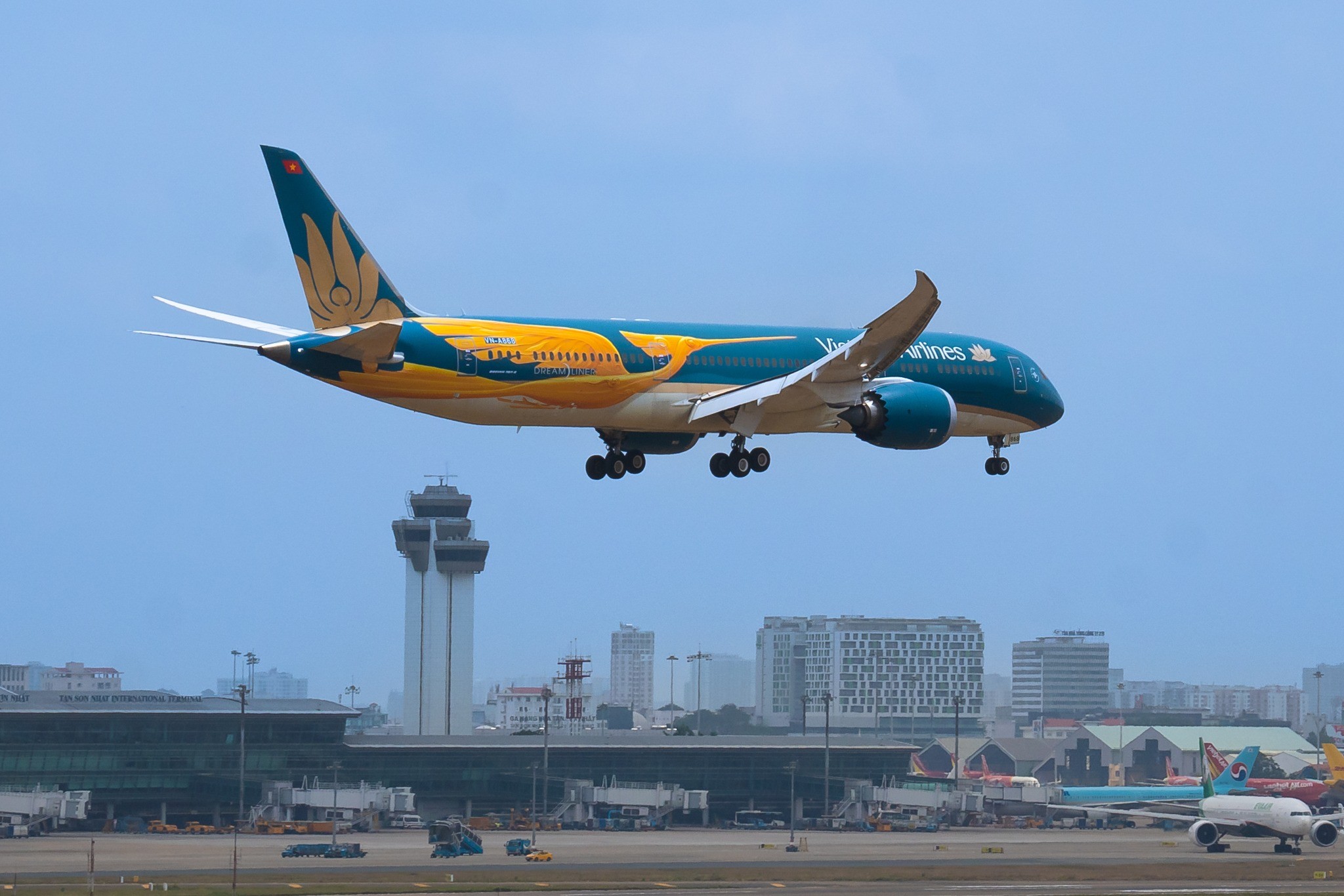
In a move that solidifies Southeast Asia's position as the world's fastest-growing aviation theater, Vietnam Airlines officially signed an $8.1 billion order for 50 Boeing 737-8 aircraft.
The historic agreement, finalized in Hanoi, is the centerpiece of the carrier’s "Vision 2030" strategy, aimed at modernizing its fleet and aggressive regional expansion. By opting for the fuel-efficient 737-8, the airline expects to slash its carbon emissions and fuel consumption by 20% compared to its outgoing fleet, a critical metric as Vietnam faces increasing international pressure on sustainability targets.
The airline’s leadership also confirmed they are in "active negotiations" with Boeing for an additional 30 wide-body aircraft, a deal valued at approximately $12 billion. This secondary order is intended to power a new wave of ultra-long-haul routes connecting Vietnam directly to the United States and Europe. For the 2026 traveler, this means the likely launch of nonstop flights from Ho Chi Minh City to San Francisco and Hanoi to London, bypassing traditional hubs in Taipei or Seoul.
Boeing CEO Stephanie Pope hailed the deal as a "multi-generational partnership," noting that the 737 MAX family will provide Vietnam Airlines with the "economics and passenger experience" needed to capture the surging middle-class travel market in Asia. The order comes at a time of record aircraft demand, where shipyard and assembly line slots are becoming increasingly scarce. By securing these deliveries now, Vietnam’s flag carrier is effectively "buying its future" in a highly competitive market.
For the 2026 explorer, the influx of new jets promises a "digital-first" cabin experience, featuring larger windows, enhanced LED lighting, and "high-capacity" overhead bins. The airline's chairman, Dang Ngoc Hoa, stated that the investment is about more than just planes; it’s about becoming a "Five-Star Airline" by the end of the decade. As of today, the first of the 50 jets is expected to enter service in early 2027, marking a new era for trans-Pacific connectivity.