International Tourism Bodies Urge Barcelona to Reconsider Steep Cruise Tax Hikes
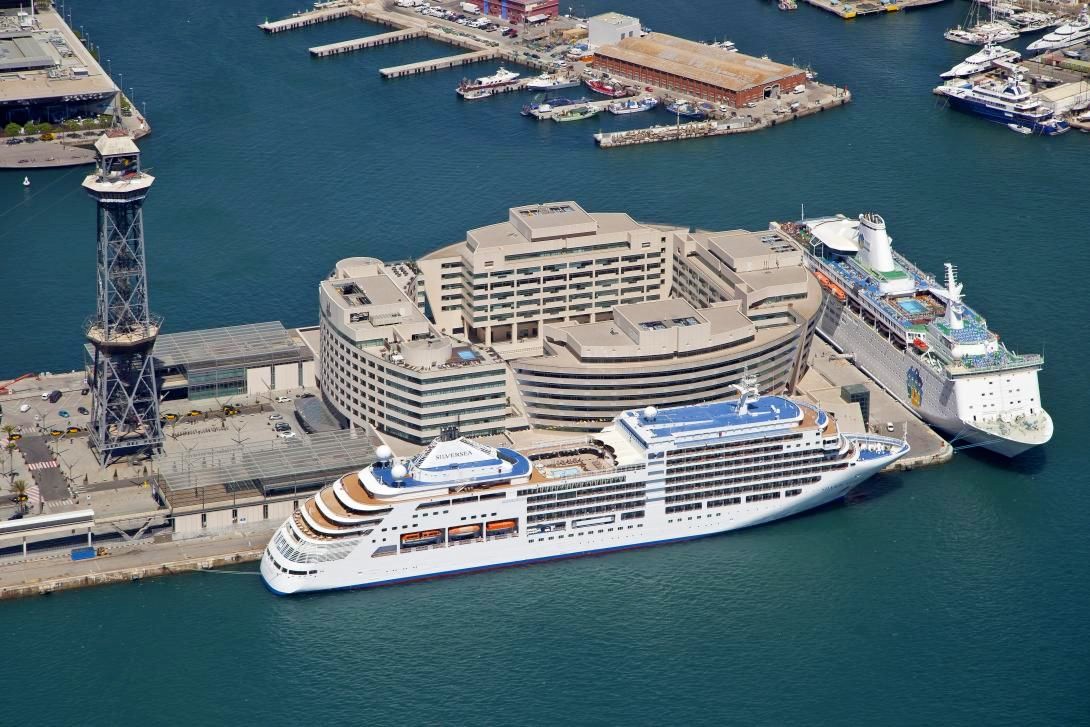
The recent initiative by the Barcelona City Council to triple the tourist tax applied to short-stay cruise passengers has sparked a wave of rejection and deep concern among major global private sector organizations. The World Travel & Tourism Council (WTTC) and the Mesa del Turismo de España (Spain's Tourism Board) have issued an urgent call to local authorities to re-evaluate a measure that they warn threatens to undermine the city's competitiveness against other key Mediterranean destinations.
The plan promoted by Mayor Jaume Collboni's government aims to increase the total fee up to 30 euros per passenger for those visitors who spend less than 12 hours in the Catalan capital. The legislative proposal plans to increase the municipal surcharge for this specific visitor profile, adding to the already existing regional tax. The stated goal of the council is to deter overtourism from transit passengers who make intensive use of public space without generating an overnight hotel stay.
However, the WTTC warned that abrupt tax increases rarely achieve their intended sustainability outcomes and often cause a direct negative impact on the local economy. The international organization argues that the additional costs will discourage visitor spending on land, triggering a domino effect that could lead to job losses in the retail, hospitality, and transportation sectors.
According to metrics provided by the international entity, the cruise industry represents a fundamental economic driver for the community, having injected 11.9 million euros in direct taxes into the municipal coffers during the 2024 fiscal year. Furthermore, the sector emphasizes that the average spending of passengers who use the city as a homeport ranks among the highest in the global tourism industry.
For its part, the Mesa del Turismo de España strongly joined the petition to halt this tax hike. The Spanish business association insisted on the necessity of maintaining a stable, predictable regulatory framework based on objective data to prevent the diversion of vessels toward competing ports in the southern European region.
The tax proposal is currently under discussion and will require validation by the Parliament of Catalonia before its potential implementation. Meanwhile, global tourism corporations insist that managing the tourism success of a world-class destination like Barcelona must be resolved through long-term strategic planning and close cooperation between the public and private sectors, rather than resorting to short-term tax adjustments.