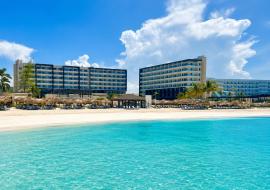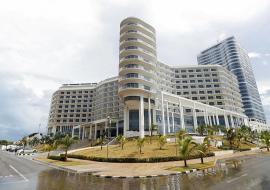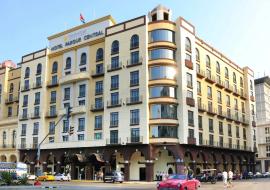
Cuba Confirms Severe Tourism Crisis with Seventy-Three Percent Hotel Closures
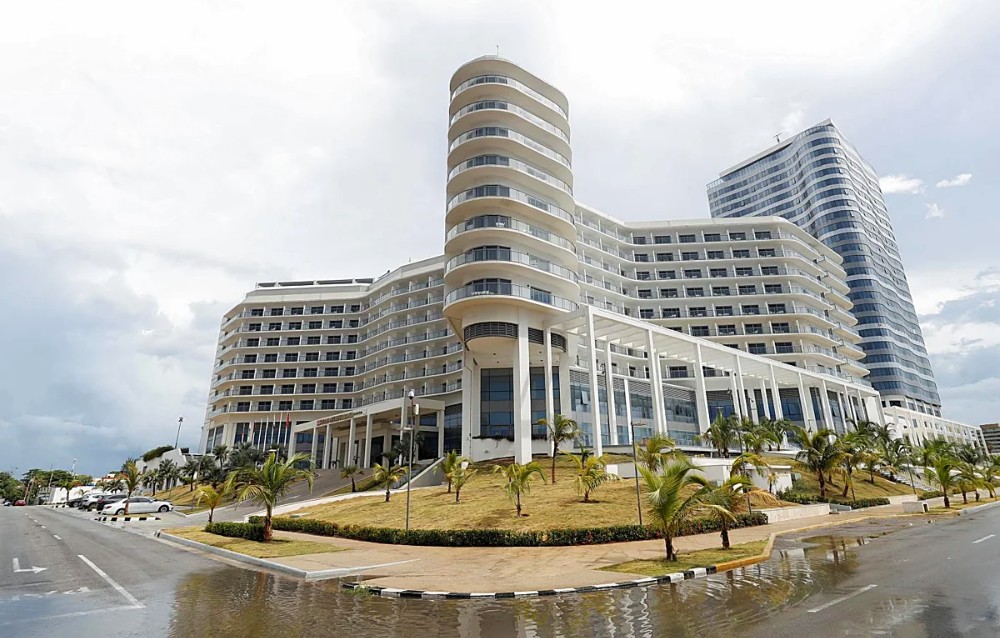
Cuba is facing an unprecedented paralysis within its critical tourism industry, as government officials report that seventy-three percent of all hotel facilities across the island remain closed. The official disclosure highlights the compounding pressures of severe fuel shortages and tightening international trade restrictions.
During a formal address before the Parliament, Prime Minister Manuel Marrero outlined the devastating impact of ongoing supply constraints on the national economy. Government data indicates that the combined effect of restricted fuel imports and foreign policy pressures has triggered a near-total stagnation of standard hospitality services.
The systemic crisis has driven seven major international hotel chains to withdraw from the country, relinquishing control over nearly half of the island's total available guest rooms. This corporate exodus has left approximately twenty-five thousand local tourism employees facing acute labor vulnerability and transitional employment adjustments.
Industry specialists note that tourism historically serves as the second-largest generator of foreign currency for the Caribbean nation, historically supporting hundreds of thousands of jobs. The sharp decline in operational capacity underscores broader infrastructural challenges facing the regional travel and hospitality sector.
In response to the mounting economic pressures, administrative leadership is evaluating structural modifications designed to encourage alternative business models and specialized market segments. Officials emphasize that stabilizing domestic energy supplies and restructuring international partnerships will remain vital for any future sector recovery.