Kid-Fluencing Reshapes Global Family Cruise Dynamics
The global cruise sector is on track to break historical passenger volume records, driven by strong multi-generational demand and a significant expansion of regional homeports.
Long-term forecasting models developed by Tourism Economics indicate that annual passenger volumes will reach unprecedented heights, solidifying years of consecutive growth. The surge is heavily supported by older demographics alongside a major increase in families traveling with young children.
A major behavioral trend transforming the family vacation market is the rapid rise of kid-fluencing in travel decision-making processes. Surveys conducted by major cruise lines reveal that more than 80 percent of parents allow their children to actively select and plan family vacation itineraries. This shift is heavily influenced by youth curiosity, creative online media consumption, and digital content inspiration.
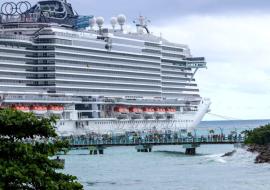
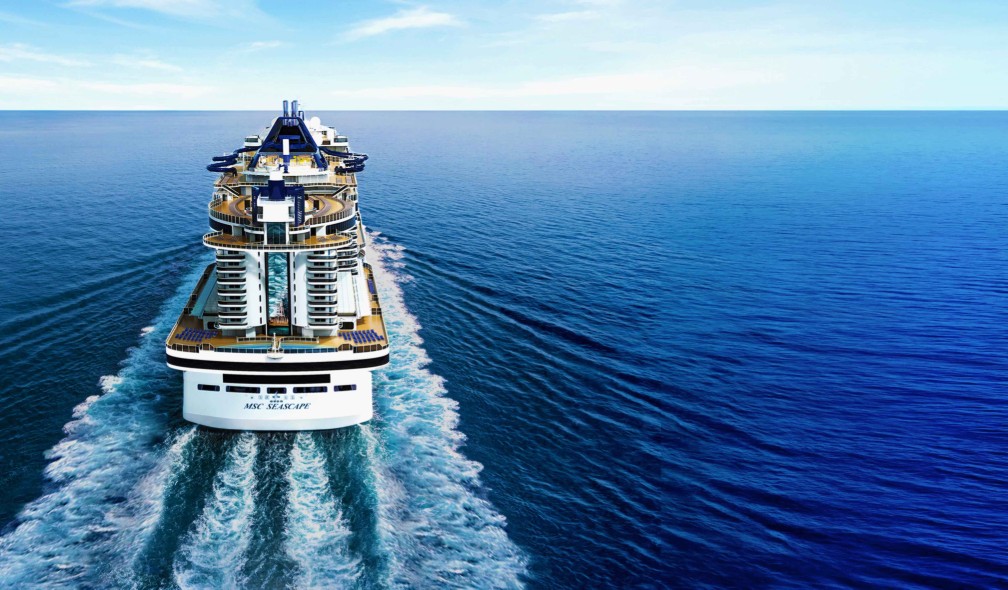
To capture this lucrative market segment, brands like MSC Cruises are rapidly scaling up operations from central regional gateways such as the Port of Galveston. New mega-vessels are being structurally optimized with expansive, specialized spaces that allow younger guests to socialize and engage in technology-driven activities. These designs allow families to balance shared quality time with independent age-appropriate recreation options.
Concurrently, consumers are displaying a distinct preference for all-inclusive vacation packages that offer predictable upfront pricing and exceptional value. Industry data demonstrates that modern ocean cruises provide substantial cost savings compared to traditional land-based resort stays and multi-city flight packages. This value proposition is making maritime vacations highly attractive across all income brackets during periods of economic uncertainty.
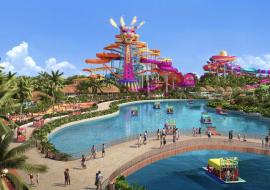
In terms of destination preferences, operators report that private island destinations and warm-weather Caribbean routes remain the most requested itineraries. Major cruise conglomerates are pouring billions of dollars into developing exclusive island properties, such as Celebration Key and enhanced experiences at Half Moon Cay. These controlled private environments allow cruise brands to deliver highly curated, secure, and premium guest experiences.
As the industry expands its global fleet with next-generation vessels, operators are also investing heavily in sustainable marine technologies, including methanol-powered propulsion systems. The focus on environmental modernization aligns with broader consumer expectations regarding corporate sustainability. With high repeat-passenger rates exceeding 90 percent, the cruise sector continues to outpace many traditional segments of the global tourism econom