Skyrocketing Oil Prices Threaten Cruise Industry Profitability
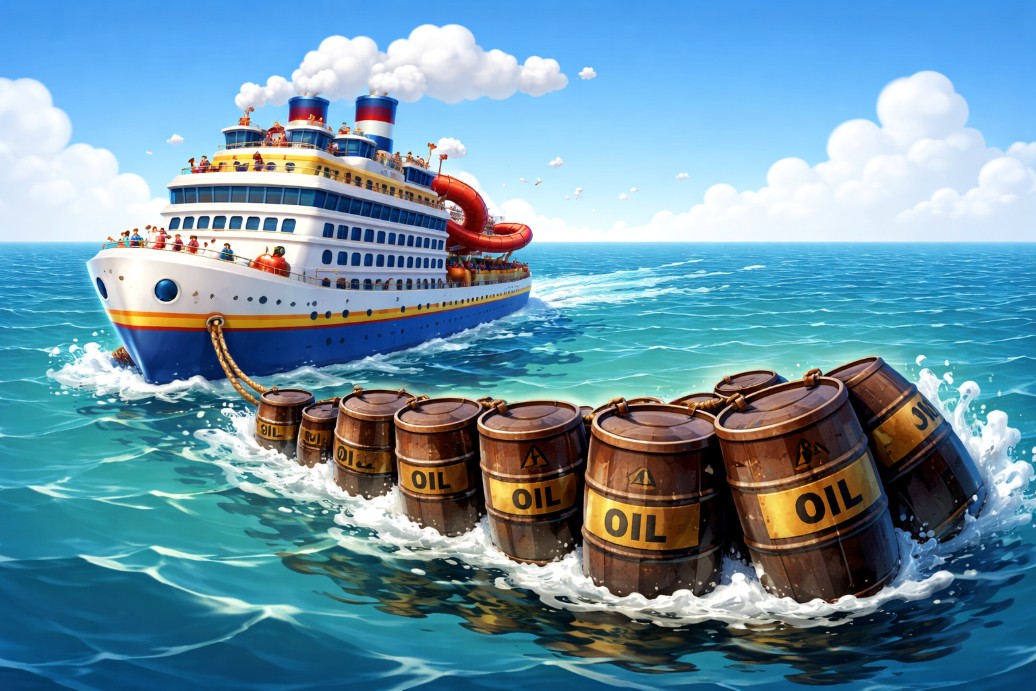
The global cruise industry is facing a severe financial stress test today as Brent crude futures hit $100 per barrel, driven by escalating tensions and shipping disruptions in the Strait of Hormuz.
Among the major operators, Carnival Corporation appears the most vulnerable, as it is the only large U.S.-based cruise line that does not utilize fuel hedging strategies to lock in energy prices. With fuel costs having surged more than 35% since the regional conflict intensified, analysts warn that a sustained price spike could slash hundreds of millions of dollars from the sector's 2026 earnings.
Unlike its primary competitors, Royal Caribbean and Norwegian Cruise Line, which have hedged a significant portion of their 2026 fuel consumption at lower rates, Carnival relies on a "market-rate" approach. Financial experts calculate that for every 10% shift in fuel costs per metric ton, Carnival's annual earnings could decrease by as much as $145 million. This "unprotected exposure" to the energy market has caused a ripple of concern among investors, even as the company argues that its massive investments in fuel efficiency and newer, LNG-powered vessels provide a more sustainable long-term hedge.
The timing of this energy crisis is particularly challenging as the industry enters the final weeks of the "Wave Season," the peak booking period where promotional discounts are used to fill cabins for the summer. If fuel surcharges become necessary, they could dampen the current "booking momentum" just as Americans were beginning to regain confidence in transatlantic and European itineraries. While no major cruise vessels were operating in the direct conflict zone when hostilities began, the "indirect shock" to global oil supply is proving to be an inescapable operational burden.
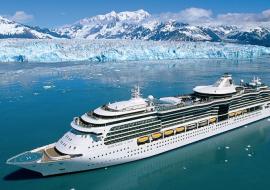
For the 2026 cruise passenger, these "economic headwinds" may lead to a noticeable increase in "onboard revenue" initiatives, as lines look to offset fuel costs through higher prices for specialty dining, excursions, and beverage packages. Some analysts also predict that operators may begin adjusting itineraries to favor slower cruising speeds and shorter distances between ports to conserve fuel. Despite these challenges, demand for Caribbean and Alaska sailings remains at record highs, as travelers view these regions as "safe and predictable" alternatives to more volatile international destinations.
The situation has also accelerated the industry's pivot toward Asian shipyards, as European facilities remain booked solid for the next decade. New advisory groups are emerging to guide operators through the "technical and cultural" nuances of building the next generation of energy-efficient ships in China and Japan. This "geographical shift in shipbuilding" is seen as a vital step in ensuring the industry can continue to grow its capacity while meeting increasingly strict environmental regulations and managing the volatile costs of traditional fossil fuels.