Florida, Caribbearn Coasts Brace for Record-Breaking Sargassum Surge in 2026
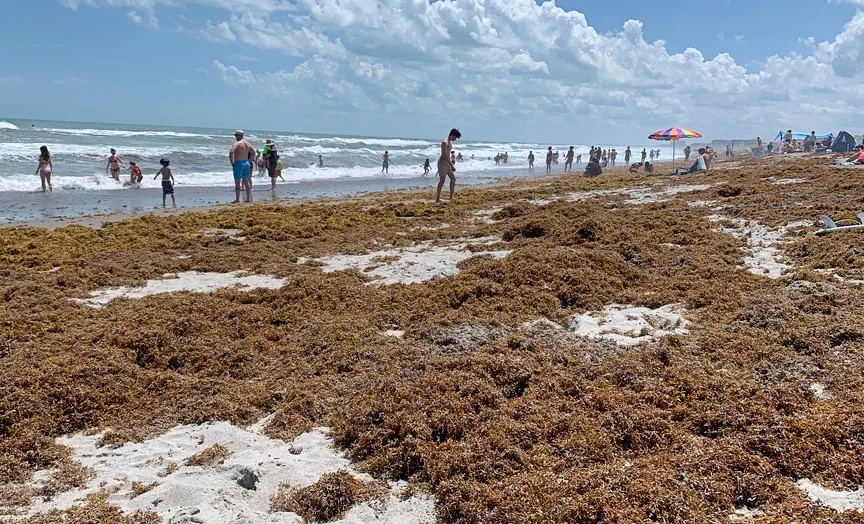
Coastal communities across the Caribbean and the Florida coast are entering a state of high alert as scientific forecasts indicate 2026 is on track to become a record-breaking year for sargassum inundation.
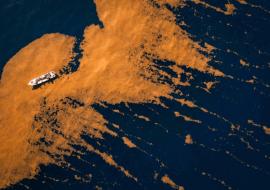
Recent data from the University of South Florida (USF) Optical Oceanography Lab reveals that the massive belt of brown macroalgae has already reached "record-high" levels for the winter season, signaling a potential environmental and economic crisis for the region's tourism-dependent economies.
AN EARLY AND AGGRESSIVE ONSET
While the traditional sargassum season typically ramps up in March and concludes in October, 2026 has defied historical norms. Massive mats of the seaweed were detected as early as January, with volumes in the Atlantic and Caribbean Sea jumping from 0.45 million tons in December 2025 to a staggering 1.7 million tons by the start of February.
Oceanographers attribute this surge to a combination of rising sea surface temperatures and increased nutrient runoff from major river basins like the Amazon and Mississippi. Unlike previous years where the seaweed population would partially die off in cooler months, the "seed population" survived the 2025 winter in unprecedented numbers, creating a year-round growth cycle.
PEAK MONTHS AND IMPACT ZONES
Travelers and residents should prepare for the highest volumes of sargassum to wash ashore during the late spring and summer months. Based on current trajectory models, the following timeline is expected:
March – April: The first significant "beaching events" are projected to hit the Lesser Antilles, Puerto Rico, and the U.S. Virgin Islands.
May – August: This period is identified as the peak season. Massive inundations are expected to coat beaches in the Mexican Caribbean (Riviera Maya), the Dominican Republic, and along the Florida Keys and Southeast Florida coastlines.
September: While volumes typically begin to taper, storm activity can still push lingering mats onto shorelines, extending the "brown tide" late into the year.
Beyond the aesthetic "eyesore," the decaying algae releases hydrogen sulfide gas, which produces a pungent "rotten egg" odor and can cause respiratory irritation for beachgoers.
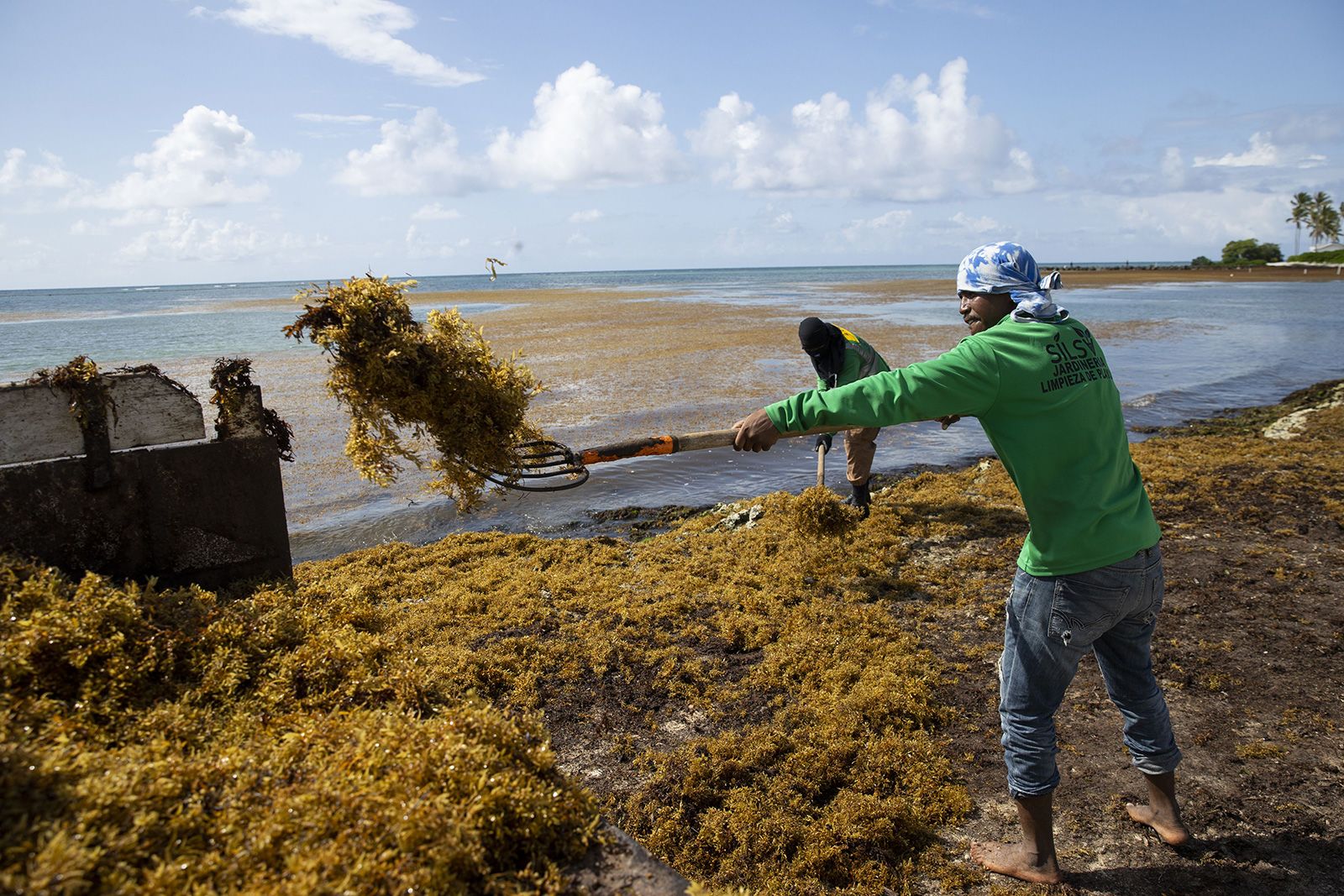
AUTHORITIES DEPLOY DEFENSIVE STRATEGIES
To stave off the wave, local and national authorities are shifting from reactive cleaning to proactive mitigation. In Mexico, the Navy has already deployed oceanic vessels and amphibious collectors to intercept the algae before it reaches the sand.
In Florida and the Caribbean, the National Oceanic and Atmospheric Administration (NOAA) has funded high-resolution forecasting systems to give local managers a 48-hour head start on arrivals. Defensive measures currently being implemented include:
Containment Booms: Floating barriers are being anchored offshore to divert sargassum away from sensitive swimming areas and toward collection points.
Mechanical Removal: Beachfront municipalities are fast-tracking permits for heavy machinery to clear "wrack lines" at sunrise.
Valorization Projects: Innovative startups are working with governments to turn harvested sargassum into biofuel, fertilizer, and even construction materials to offset the multi-million dollar cleanup costs.
As the "Great Atlantic Sargassum Belt" continues its westward march, the message from officials is clear: 2026 will require an unprecedented level of coastal management and traveler flexibility to preserve the region’s iconic white-sand reputation.