UK ETA Rules Create New Passport "Trap" for Dual Citizens
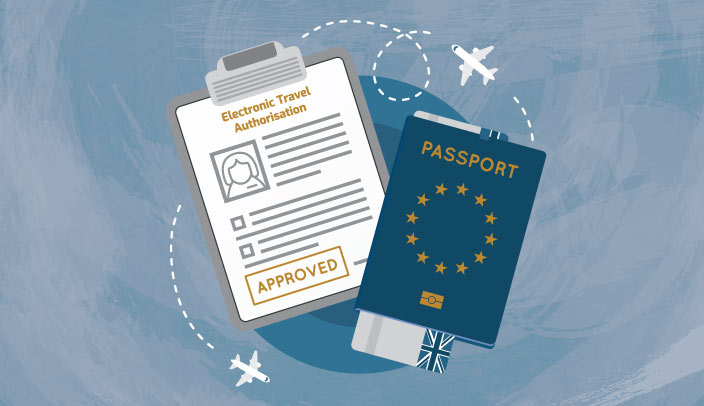
A significant update to the United Kingdom's border security protocols was confirmed today, specifically targeting travelers with dual Australian-British or Australian-Irish citizenship. With the UK's Electronic Travel Authorisation (ETA) moving toward full enforcement on February 25, 2026, the Home Office has clarified a critical loophole.
Because British and Irish citizens are exempt from needing an ETA, they cannot apply for one on a foreign passport. This means that dual nationals must enter the UK using their British or Irish passport.
In the past, many Australians with dual citizenship traveled using only their Australian passport for convenience. However, under the new 2026 digital system, an Australian passport without a linked ETA will result in an automatic denial of boarding by airlines.
Since a dual citizen cannot technically obtain that ETA, the only way for the airline's system to "green-light" the traveler is to scan a valid British or Irish passport. This has created an urgent need for dual nationals to renew their secondary documents immediately.
Travel experts are warning of a "digital catch-22" that could leave thousands of people stranded at airport gates this spring. Those who do not have a physical British passport must instead obtain a "Certificate of Entitlement" to be placed in their Australian passport—a process that can take weeks to finalize.
This change is part of the UK’s broader transition to a contactless border, where every traveler's legal right to enter is verified electronically against biometric data before they even reach the security checkpoint.
The Home Office reiterated today that the £16 ETA is mandatory for all other visa-free visitors from 85 countries, including the U.S. and Canada. However, the specific "passport trap" for dual citizens highlights the complexities of the new global digital bureaucracy.
Travelers heading to London, Manchester, or Edinburgh this weekend are being urged to double-check their documents, as the "soft launch" period is rapidly ending, and airline check-in systems are becoming increasingly rigid in their enforcement of these digital permissions.