Wuthering Heights: The Multi-Million-Dollar Mount Everest Rescue Fraud Scheme Exposed
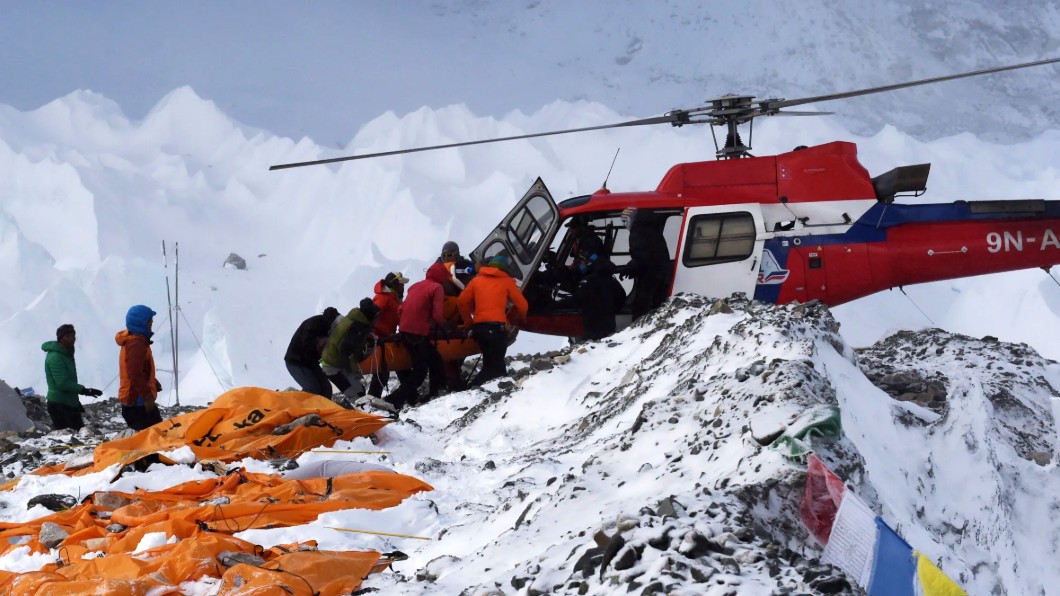
The Mount Everest climbing community is currently grappling with a massive insurance fraud scandal that has exposed a systemic "fake rescue" economy valued at nearly $20 million.
Investigations conducted by Nepal’s Central Investigation Bureau (CIB) have revealed a sophisticated web of corruption involving trekking agencies, helicopter operators, and medical facilities. This organized criminal network allegedly orchestrated over 300 fake rescues between 2022 and 2025, targeting thousands of international climbers and trekkers.
The mechanics of the scheme were remarkably calculated, often beginning with the deliberate induction of illness in unsuspecting tourists. Investigators report that some trekking guides tampered with food by adding baking soda or laxatives to cause gastrointestinal distress that mimics altitude sickness.
In more extreme cases, guides allegedly pressured exhausted hikers into taking excessive amounts of Diamox, which, when combined with forced over-hydration, can produce symptoms similar to High-Altitude Cerebral Edema (HACE).
Once a trekker showed signs of distress, the syndicate moved quickly to convince them that an immediate helicopter evacuation was a matter of life or death. These flights, which can cost up to $15,000, were then inflated or entirely fabricated in official records. A common tactic involved "double-billing," where multiple patients were transported on a single helicopter flight, but insurance companies were billed for separate, full-price private charters for each individual.
The fraud extended into the valley, where partner hospitals in Kathmandu allegedly issued forged medical reports and inflated discharge summaries. Some tourists were admitted for minor fatigue but billed for intensive emergency care, while others never even entered the clinics that submitted claims in their names. To date, authorities have charged 32 individuals under organized crime laws, including agency executives and medical staff, as they attempt to dismantle this "rescue-for-profit" pipeline.
Beyond the financial theft, the implications for the mountaineering industry are profound and potentially life-threatening. Veteran expedition leaders warn that the proliferation of unnecessary flights has turned a critical life-saving tool into a "mountain taxi service," risking the availability of helicopters for genuine emergencies. There is also a growing fear that international insurers may soon refuse to cover travel to Nepal, which would leave legitimate climbers without a safety net in one of the world's most dangerous environments.
As the 2026 climbing season begins, the Nepal Tourism Board is under immense pressure to implement stricter oversight and restore global confidence. The scandal has been labeled an offense against the national interest, reflecting the damage done to the country's prestige and its vital tourism economy. While the government has introduced new tracking chips for climbers, experts argue that only deep structural reforms and aggressive prosecution can truly purge the industry of its "fake rescue" rot.