Spanish Group to Open Music-Themed Hotel in Cuba

The first hotel specializing in the music of Cuba, the Blue Salsa Club, will open its doors in November, ushering a new idea in cultural tourism in the resort community of Varadero, the most famous on the island.
The project hatched by Spain's Blue Bay group and Cuba's Paradiso cultural tourism agency will promote musical genres like salsa, guaracha, bolero and the Caribbean island's traditional dances.
The assistant marketing director for the renovated BelleVue Palma Real hotel, Ramon Fundora, said that at this time they are preparing spaces devoted to the different musical rhythms that will provide guests with a different environment than our modern day one.
"It's a very similar idea to the Hard Rock hotels and the aim is to make the customer, when he enters the Blue Salsa Club, breathe music, culture, dance and Cubanness," Fundora told publication Caribbean News Digital.
He also said that hotel guests will have included as part of their stays classes in dance, percussion and various musical instruments, among other options.
Cuban tourism authorities have insisted in recent times on diversifying their vacation product beyond the traditional fare of sunshine and beaches.
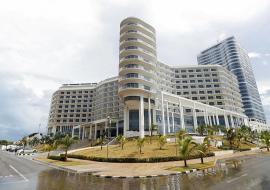
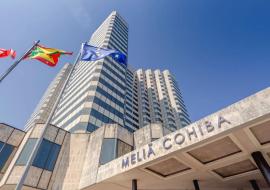
As part of that plan, state-owned Cuban Gaviota group recently inaugurated in Varadero a new hotel complex administered by Spain's Melia group and located next to a marina with 1,300 dock spaces for yachts and recreational boats.
Varadero, located about 100 miles from Havana and considered the island's second-most-important tourist magnet, has 50 hotels with 20,200 rooms and receives more than 40 percent of the foreign visitors who come to Cuba.
Cuba last year welcomed nearly three million foreign tourists -- Canada, for the second year, provided more than one million of those visitors, according to government figures.
The island's aim this year is to again take in at least three million tourists. In the first half of the year, it had already welcomed 1.6 million, most of them from Canada, England, Germany and Argentina, in that order, according to figures provided by the government's National Statistics and Information Office.