Luxury Hospitality Market Shows Polarization Amid Global Uncertainty
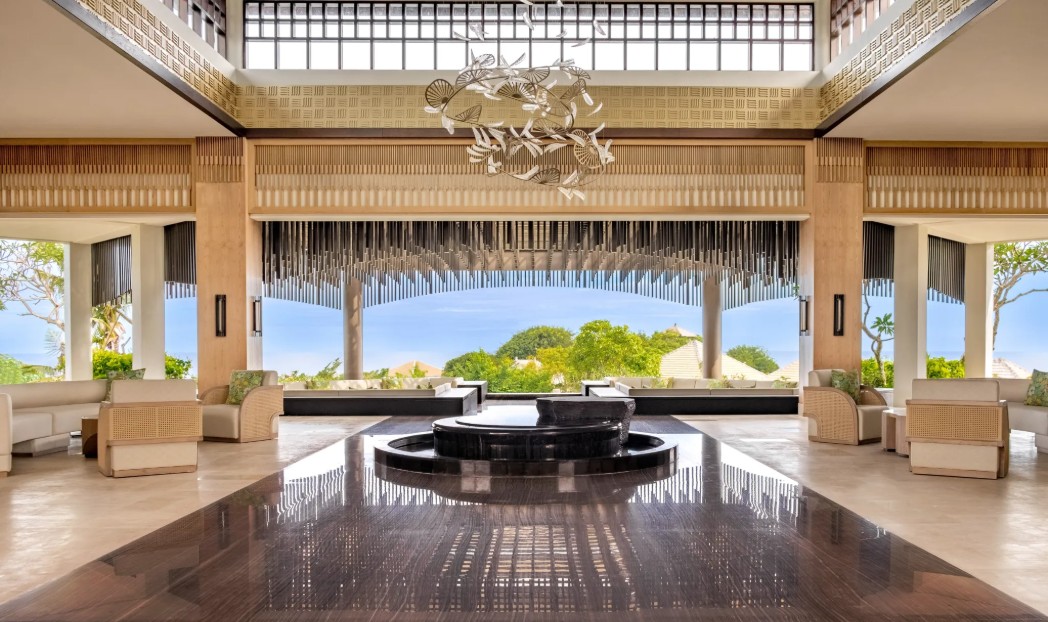
The luxury hotel sector in 2026 is navigating a complex and paradoxical economic landscape. On one side, the demand among affluent travelers remains remarkably robust, with high-end segments significantly outperforming the broader hotel industry.
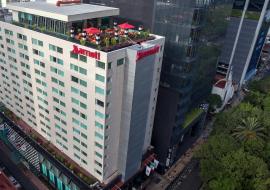
Major hotel groups, including Marriott and Hilton, continue to report "insatiable" international demand for luxury stays, with global room revenue for these properties showing consistent year-over-year increases. This resilience is attributed to the fact that affluent consumers continue to prioritize rare, well-located, and distinctive properties, remaining largely unaffected by the selectivity seen in lower-income travel spending.
However, this growth is not linear, and the sector is currently facing significant external pressures from global geopolitics and the economic ripple effects of regional conflicts. The conflict in the Middle East, in particular, has disrupted flight schedules and sent jet fuel prices soaring, creating a new hurdle for international luxury tourism. This volatility in the air travel market is the primary risk factor for the luxury sector, as high-end travelers who rely on long-haul aviation are sensitive to flight disruptions and the broader economic consequences of geopolitical tensions.
The expected "ripple effect" from major international events, such as the 2026 Soccer World Cup, has been more muted than initial forecasts predicted. While luxury hotels in some host cities saw high performance, the impact has not been universal, illustrating that large-scale events do not automatically guarantee growth across all luxury markets. The polarization of the market is becoming increasingly clear: while properties that offer unique emotional appeal and strong wellness-focused experiences continue to thrive, others are finding it more difficult to justify higher room rates in the current unpredictable environment.
As the industry prepares for the second half of 2026, the focus for luxury hospitality brands is shifting toward building "meaningful partnerships" and prioritizing trust over simple transactions. The upcoming 13th Annual MICE India & Luxury Travel (MILT) Congress, for instance, is set to gather the world's leading corporate travel buyers and hospitality brands to discuss how the future of luxury will be defined by deep, experiential engagement rather than just the provision of high-end amenities. This shift reflects a wider trend toward personalized, trust-based travel experiences that cater to the evolving needs of the modern, affluent consumer.
The industry is also grappling with the need to balance traditional luxury service with the growing demand for sustainability and social responsibility. Affluent travelers are increasingly seeking out brands that align with their personal values, leading to a surge in interest for hotels that provide tangible benefits to their local communities and environments. As luxury hospitality continues to evolve, the ability to blend high-end comfort with genuine ecological and social impact is becoming a defining competitive advantage for the top hotel groups that wish to remain relevant in a changing global landscape.
Looking ahead, the outlook for luxury hospitality remains one of guarded optimism. While geopolitical headwinds present a genuine challenge, the sector’s demonstrated ability to retain its high-value clientele provides a solid foundation for the remainder of the year. The luxury segment is expected to continue its upward trajectory, provided that operators can maintain their focus on unique, well-located assets while navigating the disruptions caused by the air travel market and the ongoing macroeconomic instability.