Powerful Storm Batters the U.S. East Coast, Prompting Cancellations and Reroutings
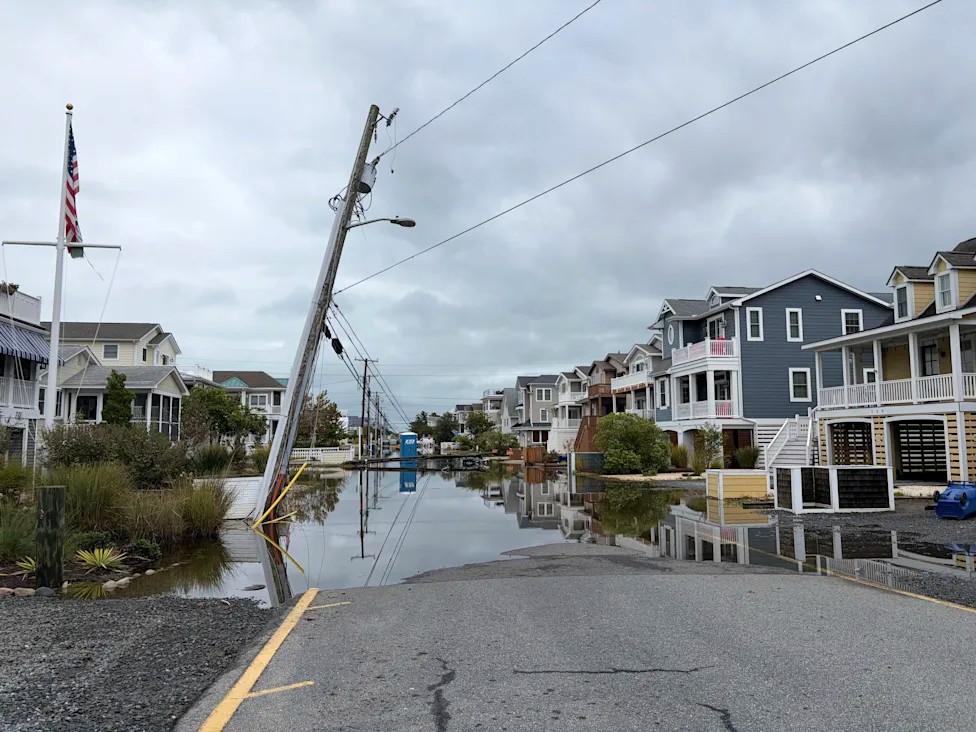
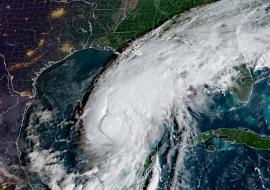
A severe nor'easter tracking across the eastern seaboard of the United States has disrupted travel infrastructure, triggering widespread flight cancellations, ground delays, and cruise ship itinerary adjustments throughout the Mid-Atlantic and Northeast corridors.
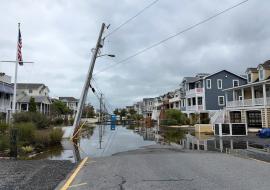
Meteorological authorities issued high-wind advisories and coastal flood warnings as the powerful system generated hazardous surf and torrential rainfall along major transit routes.
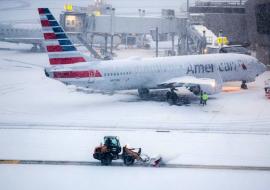
Commercial aviation hubs—including major gateways serving New York, Boston, Philadelphia, and Washington, D.C.—are experiencing significant operational slowdowns as federal aviation regulators mandate ground stops to manage severe weather conditions.
Domestic and international carriers operating across the affected airspace have implemented flexible travel waivers, allowing passengers to rebook flights without penalty while ground crews work to clear affected tarmacs and maintain aircraft safety protocols.
Maritime operations have similarly been impacted by the coastal tempest. Cruise operators managing itineraries along the eastern Atlantic coastline confirmed route diversions and altered port calls to steer clear of rough sea conditions and high swells, ensuring passenger safety while maintaining maritime transit schedules.
Local civil protection agencies across coastal municipalities continue to monitor rising water levels and power infrastructure, urging residents and travelers to exercise heightened caution during peak storm activity. Utility response teams remain deployed across affected districts to restore power interruptions caused by heavy wind gusts and fallen debris along regional transportation corridors.
Industry observers note that the rapid operational adjustments across major airlines and cruise lines demonstrate the enhanced crisis management resilience of the regional transport network. Aviation and maritime experts conclude that normal service frequencies are expected to resume progressively as the weather system moves offshore into the northern Atlantic.