Airline, Cruise Lines Issue Widespread Waivers as Hurricane Isaias Nears the Gulf Coast
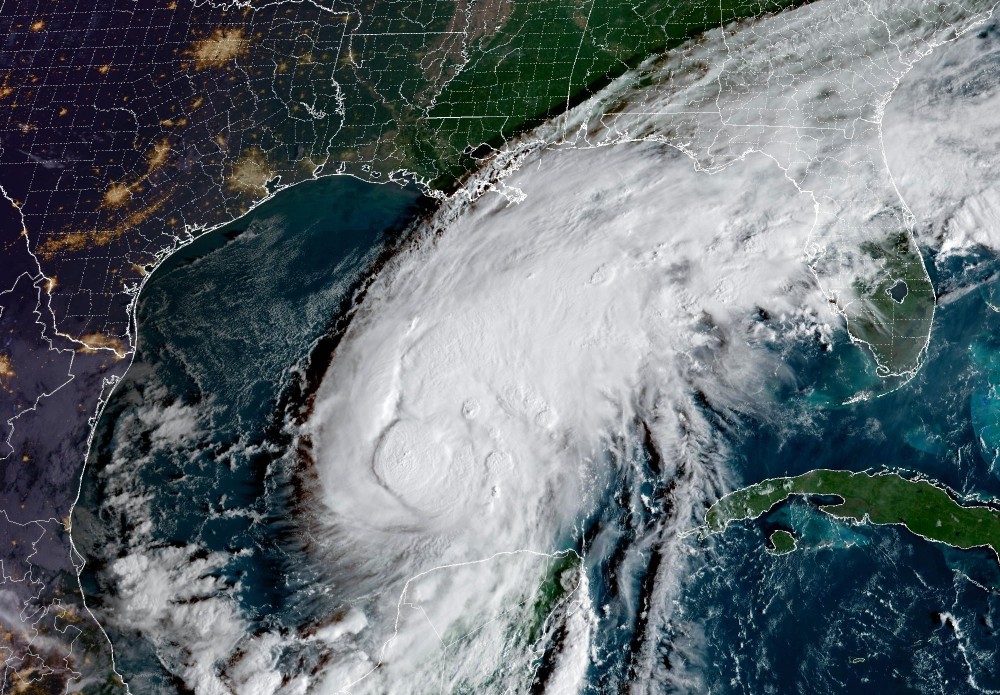
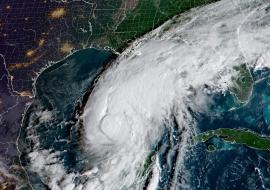
As hurricane Isaias barrels relentlessly toward the northern Gulf of Mexico coastline, transport authorities and commercial travel providers have enacted extensive emergency protocols.
Major domestic and international airlines are implementing flexible ticketing waivers, while regional cruise operators closely monitor marine conditions to manage potential itinerary disruptions across key southern gateways.
Aviation authorities report that key regional transport hubs—including Louis Armstrong New Orleans International Airport, Pensacola International Airport, Mobile Regional Airport, and regional terminals across Florida and Mississippi—are experiencing rolling delays and preventative flight cancellations.
In response to the deteriorating meteorological conditions, major carriers such as American Airlines, United Airlines, Delta Air Lines, JetBlue, and Southwest Airlines have issued comprehensive travel advisories allowing impacted passengers to modify their itineraries without incurring standard administrative change fees or punitive fare differences.
Simultaneously, maritime authorities and major cruise lines operating out of Florida and Gulf Coast ports are maintaining a heightened state of vigilance as the storm approaches landfall. While initial departures continue to operate under close supervision by port captains, cruise operators have notified vacationers to anticipate potential route diversions, altered port calls, and adjusted sailing schedules to keep vessels safely clear of open-water hazards.
Industry analysts emphasize that these proactive operational adjustments are critical for safeguarding passengers and mitigating the logistical bottlenecks typical of severe seasonal weather events. Affected travelers holding reservations across the threatened corridor are strongly encouraged to verify flight statuses directly through digital carrier channels and monitor official corporate communications from their respective cruise lines.
As emergency management agencies finalize preparations for the imminent coastal impact, tourism stakeholders underscore the importance of flexibility and adherence to local safety directives. Transport experts conclude that coordinated contingency planning across both the aviation and maritime sectors will minimize stranded passenger volumes as the region navigates the severe meteorological event.