COP31 Ends Without Global Deal as Tourism Sector Urges to Step Up Climate Transformation
Deadlock Over Fossil Fuels Stalls Climate Negotiations in Antalya While SUNx Malta President Calls for Sharp Emissions Cuts Before 2030 and Stronger Destination Adaptation
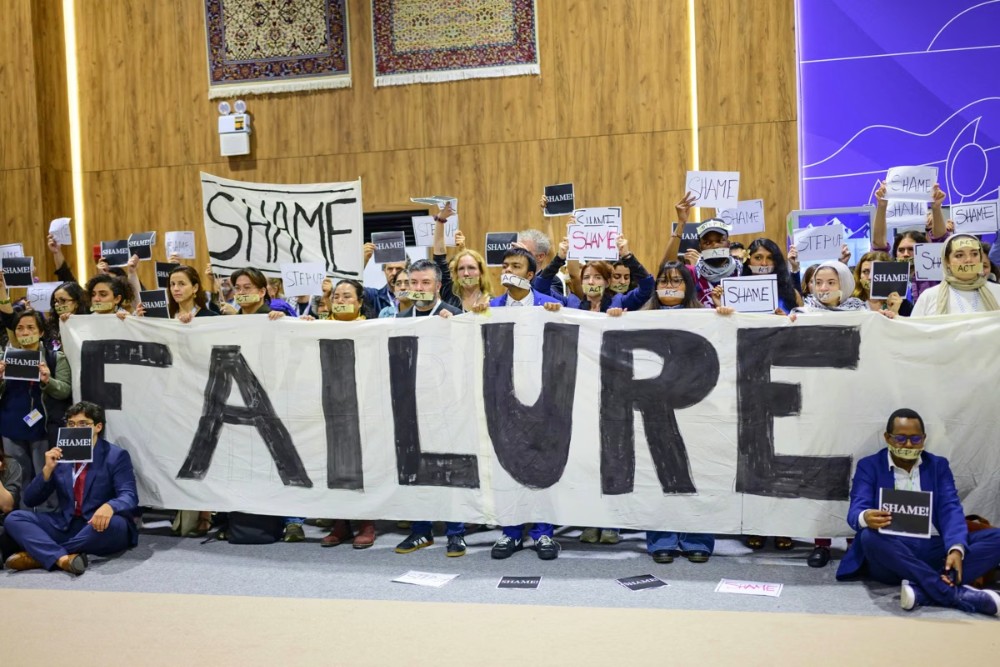
The United Nations Climate Change Conference (COP31) concluded on November 22 in Antalya, Turkey, without a comprehensive global agreement capable of bridging sharp divisions among nations over the future of fossil fuels. The negotiating impasse has renewed alarm over the pace of international climate action, carrying direct implications for climate-sensitive industries such as global tourism.
The central sticking point centered on the lack of consensus to include an explicit reference to transitioning away from fossil fuels in the final summit text. While the European Union and vulnerable island states pushed for stronger language, Saudi Arabia and Russia opposed incorporating that commitment under the proposed terms, preventing delegates from adopting a unified global declaration.
Despite the gridlock on fossil fuels, government delegations recorded progress on parallel tracks—including an electrification pledge backed by more than 90 countries—though overall outcomes fell short of expectations on energy transition and climate financing. Developing nations and African countries pressed for predictable funding, clear timelines, and transparent public tracking mechanisms to support adaptation against floods, droughts, and environmental hazards.
Responding to the outcome, Geoffrey Lipman—president of SUNx Malta, former director general of IATA, inaugural president of the WTTC, and former assistant secretary-general of the former World Tourism Organization (now UN Tourism)—told eTurboNews that the Antalya stalemate represents a temporary setback rather than the end of climate progress.
Lipman observed that the deadlock highlights the constraints of government consensus-driven diplomacy, while noting that the 2009 Copenhagen setback was followed by the 2015 Paris Agreement, urging tourism businesses not to wait on diplomatic breakthroughs and instead sharply cut greenhouse gas emissions before 2030, advance toward net zero by 2050, and adopt Climate Friendly Travel aligned with the 1.5°C limit and the Sustainable Development Goals.
Scientific evidence presented during the summit underscores the urgency of faster industry transformation. A study published in Nature Communications estimated that tourism accounted for 8.8% of global greenhouse gas emissions in 2019, while another research study unveiled in Antalya projected that by 2050, 36% of analyzed destinations will simultaneously confront heightened climate hazards and deteriorating tourism conditions under a moderate-emissions scenario—a share rising to 62% under a high-emissions pathway.
Those hazards manifest as seasonal heat waves, floods, hurricanes, and droughts capable of damaging infrastructure, disrupting transportation, straining water supplies, and endangering travelers and tourism workers alike. Lipman called for placing climate adaptation at the core of business planning: urging hotel chains to embed thermal protection, water conservation, and clean energy into capital investments and renovations; calling on airlines to report total emissions alongside efficiency gains to demonstrate genuine reductions amid traffic growth; and urging destinations to build coordinated emergency plans across hotels, tour operators, and local authorities, backed by governments and financial institutions so small businesses and vulnerable communities can shoulder adaptation costs.
Ahead of COP32 in Addis Ababa, Ethiopia, governments will have another forum to address the disagreements left unresolved in Antalya, yet waiting for that summit will not suffice for an industry already shaped by climate impacts. The widening gap between climate pledges and political decisions also highlights the steep economic cost of delaying protective investments, underscoring that sector progress will hinge on concrete actions taken now by hotels, airlines, operators, and destinations rather than the slow pace of international negotiations.