The Dawn of a Geopolitical Respite: Global Tourism Breathes Again for Now
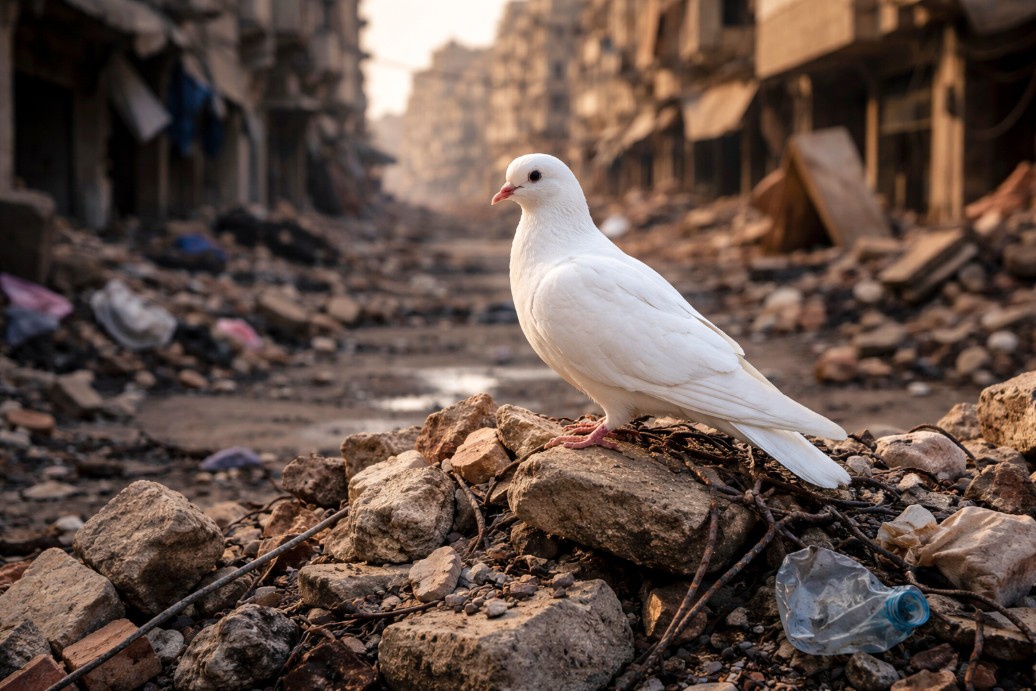
The recent announcement of a two-week ceasefire between the United States and Iran has sent a wave of relief through the international community, particularly within the travel and tourism sector.
After weeks of high-intensity conflict that saw over 46,000 flight cancellations and a staggering daily loss of $600 million in visitor spending across the Gulf region, the temporary pause in hostilities offers a critical window for stabilization. Industry leaders are cautiously optimistic that this diplomatic breakthrough, mediated by Pakistan, could halt the freefall of a market that had seen hotel occupancy in major hubs like Dubai and Bahrain crash by more than 60% since the hostilities began in late February.
A primary catalyst for this renewed hope is the agreed reopening of the Strait of Hormuz, a vital maritime and economic artery. Under the terms of the ceasefire, Iran has committed to allowing "safe passage" for vessels, albeit under military supervision, which has immediately translated into a decrease in global oil prices.
For the aviation industry, lower fuel costs are essential to reversing the trend of skyrocketing airfares that had begun to deter long-haul travelers. Airlines that had been forced to reroute planes through longer, more expensive paths to avoid no-fly zones are now evaluating the safety of returning to more direct corridors over the Middle East.
Despite the positive momentum, the tourism recovery remains fragile as the agreement specifically excludes territories like Lebanon, where regional tensions persist. The World Travel & Tourism Council (WTTC) had previously warned that the conflict was causing the worst crisis since the pandemic, reshuffling global flows toward safer but less traditional destinations.
Travelers who had abandoned plans for the United Arab Emirates or Qatar are now watching the upcoming negotiations in Islamabad on April 10 to determine if they can confidently rebook their spring and summer vacations without the fear of sudden border closures.
The economic stakes extend far beyond the immediate conflict zone, affecting cruise lines and international tour operators who rely on regional stability. Experts suggest that the Middle East had become a critical transit hub for approximately 100 million tourists annually, and the disruption of this "global bridge" had caused a domino effect of delays in Europe and Asia. The ceasefire acts as a much-needed pressure valve, allowing insurance premiums for travel to stabilize and giving travel agencies the breathing room to restructure itineraries that had been decimated by the war.
For the United States, the de-escalation is framed as a strategic victory to contain "destructive forces," while for Tehran, it represents a leveraged position to negotiate the lifting of economic sanctions. However, for the global traveler, the nuance of the ten-point peace plan is secondary to the practical reality of restored air connectivity. As long as the ceasefire holds, the industry expects a surge in last-minute bookings, driven by a "pent-up demand" from those who had delayed their travel plans due to the threat of a wider regional war.
The next fourteen days will be a litmus test for the future of international security and the resilience of the global economy. While the peace talks in Pakistan represent a diplomatic long shot, the mere absence of active bombardment has already revitalized investor confidence in hospitality stocks. If the diplomatic efforts succeed in extending this window into a permanent settlement, the 2026 season could transition from a projected disaster into a year of unprecedented rebound for destinations that were, until yesterday, on the brink of total isolation.