Empty Resorts, Beaches across the Caribbean Paint Grim Picture
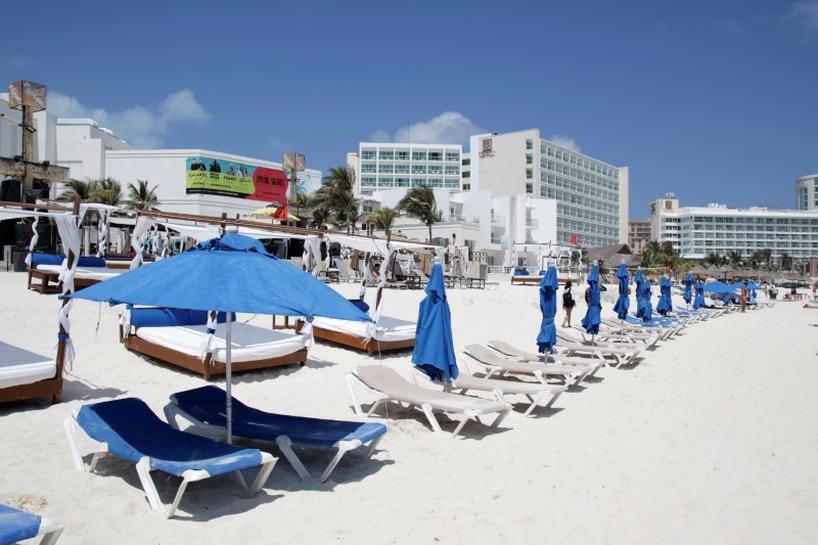
No one is swimming in the turquoise Caribbean waters of Cuba’s Varadero beach resort, nor lounging on its white, palm-fringed beaches. Its hundreds of hotels, shops and restaurants stand empty and eerily quiet.
The nearby airport, the lifeblood of Varadero’s economy, closed after Cuba shut its borders two weeks ago to protect against the spread of the new coronavirus. Now, undisturbed by tourists, lizards scamper around the grounds of the luxurious hotels, on the hunt.
Across the Caribbean, similar scenes of desolation are playing out as the most tourism-dependent region in the world reels from a pandemic that has shut borders, grounded airlines, berthed cruise ships and sent much of the planet into isolation since mid-March.
From the historic towns of the Dominican Republic to the isolated coves of Tobago, tourism employs an estimated 2.5 million people and generates - directly and indirectly - nearly one-third of the region’s economic output, according to the Caribbean Tourism Organization.
As a result, there are few places where the economic impact of the pandemic may be as immediate as the archipelago’s 26 small island states and dependencies, many of them already heavily indebted.
So far, the Caribbean region of 45 million people has reported only about 7,000 coronavirus cases and 300 deaths, the majority in the Dominican Republic. Yet millions have already lost their jobs or revenues due to the outbreak.
The World Tourism Organization (UNWTO), a U.N. body dedicated to promoting the industry, last month forecast a 20% to 30% plunge in arrivals this year.
The Caribbean Development Bank went further, forecasting a 50% slump if restrictions continue until September and a 100% fall if the policies stay in place all year. The International Monetary Fund (IMF) predicts the eastern Caribbean, heavily dependent on cruise lines, will be among the hardest hit.
In the meantime, authorities are trying to keep their tourism industries afloat and their people safe from the pandemic.
Jamaica has announced an $8.7 million package for tourism-related business operators and workers, as well as a skills training program for people while they are idle.
Many Caribbean governments, hammered by the cost of fighting the pandemic amid a collapse in tax revenues, say they need financial help to weather the crisis.
Last week, the Caribbean bloc CARICOM urged the international community to consider that while some Caribbean nations have a relatively high income per capita, their often single-industry economies, highly dependent on imports and exposed to natural disaster, are vulnerable.
Source: Reuters