U.S. Raises Travel Advisory for Grenada Amid Security Concerns
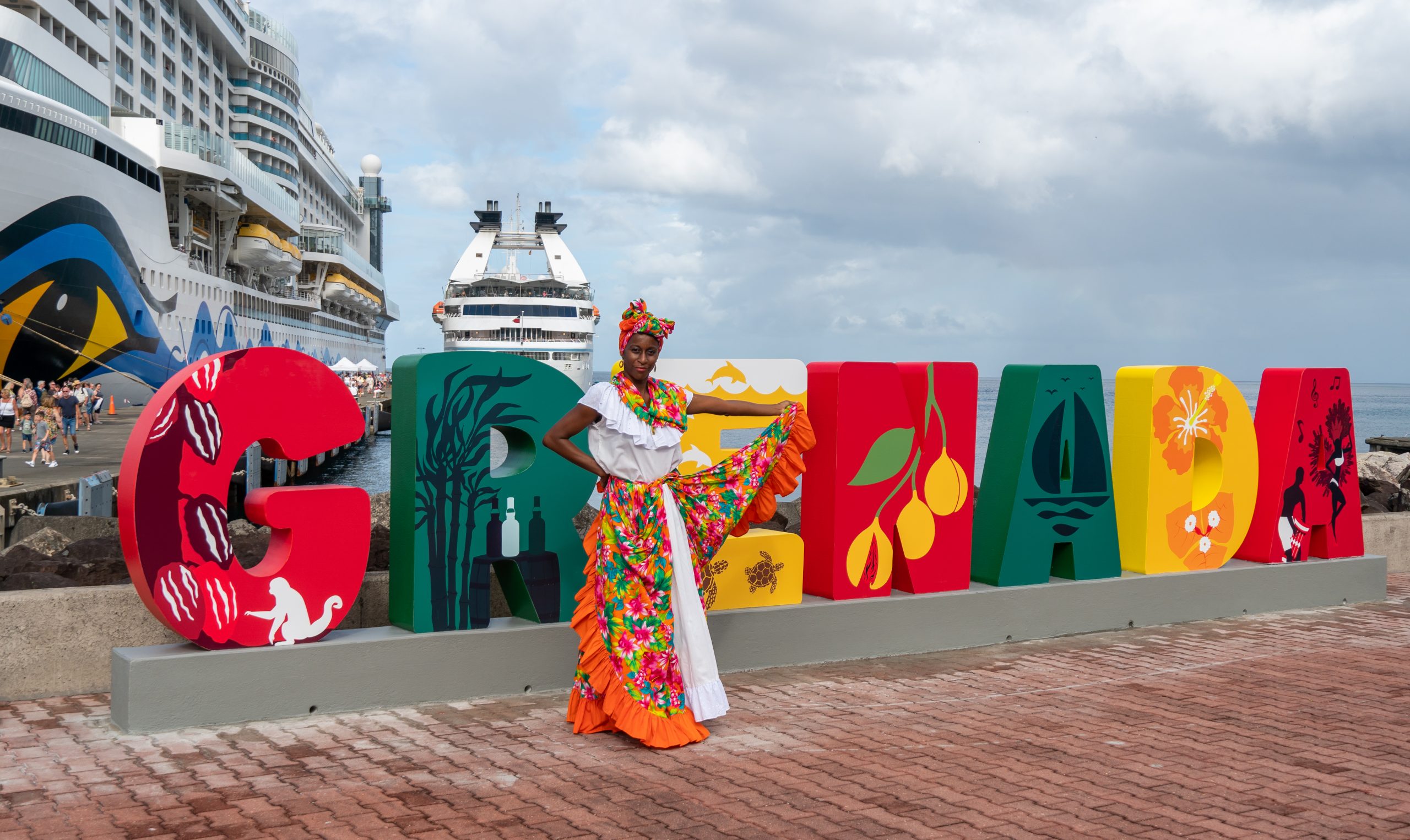
In a move that has surprised many in the travel industry, the U.S. Department of State officially upgraded its travel advisory for Grenada to "Level 2: Exercise Increased Caution" today, February 4.
Previously considered one of the safest and lowest-risk destinations in the Caribbean, the "Spice Isle" is now facing increased scrutiny due to a rise in violent crime reports. The updated guidance notes that American citizens have recently been victims of armed robbery and assault, prompting a reassessment of the island's security environment.
The State Department’s advisory highlights that while Grenada remains a major draw for U.S. travelers—who make up the majority of its visitors—the police response times may not meet American expectations. Travelers are being advised to avoid walking alone at night, particularly on isolated beaches, and to keep valuables secured in hotel safes. This "Level 2" status puts Grenada on the same footing as other popular destinations like the Bahamas and the Dominican Republic, signaling a regional trend of heightened "crimes of opportunity."
Some geopolitical analysts speculate that the updated advisory may be linked to heightened political tensions in nearby Venezuela, as Grenada is one of the closest Caribbean neighbors to the South American nation. The regional "ripple effect" of the ongoing Venezuelan conflict has led to increased maritime patrolling and concerns over border security across the Southern Caribbean. While the advisory does not explicitly link the two, the timing suggests a broader "precautionary" stance by the U.S. government regarding the region's stability.
The Grenadian tourism board has responded by emphasizing that the vast majority of visits to the island are trouble-free and that the "Level 2" advisory is a common classification for many global destinations. Local authorities are reportedly increasing "tourist police" presence in key areas like Grand Anse Beach and the capital of St. George’s to reassure visitors. For the 2026 traveler, the message is not to "cancel," but to "be aware"—maintaining the same level of situational awareness one would use in a large U.S. city.
For the travel trade, this advisory change is a reminder of the volatility of "destination sentiment." Travel advisors are now fielding questions from families and couples who had previously viewed Grenada as a "risk-free" paradise. The industry is encouraging travelers to enroll in the Smart Traveler Enrollment Program (STEP) and to ensure they have comprehensive travel insurance that covers "security-related" changes to their itineraries, a practice that is becoming standard for all 2026 international trips.
As of February 4, Grenada continues to welcome thousands of daily arrivals, and its world-class resorts remain fully operational. The long-term impact on its "safe-haven" reputation will depend on the government's ability to address the root causes of the crime increase and restore its "Level 1" status. For now, the 2026 traveler heading to the Spice Isle should pack a sense of adventure, tempered with the practical safety habits required in a shifting global landscape.