U.S. State Department Lowers Venezuela Travel Advisory to Level 3
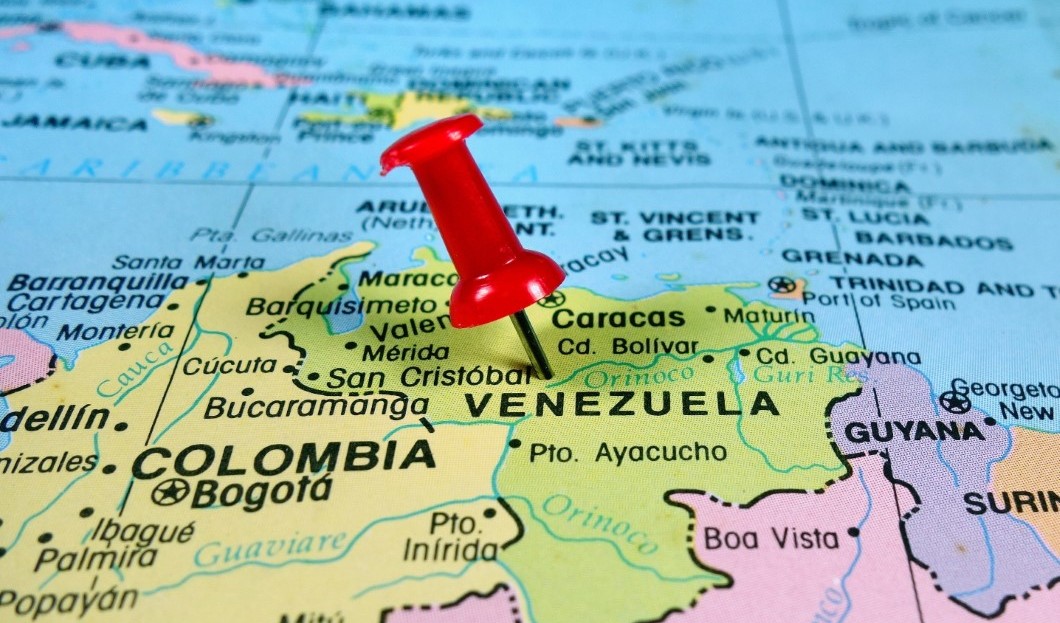
The U.S. Department of State officially lowered its travel advisory for Venezuela today. Moving the country from the highest "Level 4: Do Not Travel" to "Level 3: Reconsider Travel," the update marks the first time in years that the U.S. government has not explicitly told citizens to avoid the South American nation entirely. While the new guidance still warns of high risks regarding crime, kidnapping, and poor health infrastructure, it acknowledges a changing security landscape that allows for more nuanced travel decisions by American citizens.
Despite the lower overall rating, federal officials maintain strict "Do Not Travel" warnings for specific high-risk zones, including the Venezuela-Colombia border and the rural areas of Amazonas, Apure, and Bolívar states due to the persistent threat of terrorism. Travelers who choose to visit are urged to maintain a high level of situational awareness and to avoid all political demonstrations, which can turn violent with little warning. This "calibrated easing" of the advisory is seen by regional analysts as a potential precursor to renewed commercial connectivity and increased humanitarian and business exchange between the two nations.
The change represents a "cautious opening" of a once-major tourism market known for its stunning Andean landscapes and Caribbean coastline. However, the State Department reminds the public that the U.S. Embassy in Caracas remains closed, meaning that "emergency consular services" are extremely limited and must be coordinated through neighboring missions. As the "geopolitical thaw" continues, travelers are advised to utilize specialized security briefings and to ensure their medical evacuation insurance is fully active before crossing the border.