
Japan Enforces New Flight Safety Rules on Mobile Batteries and Charging
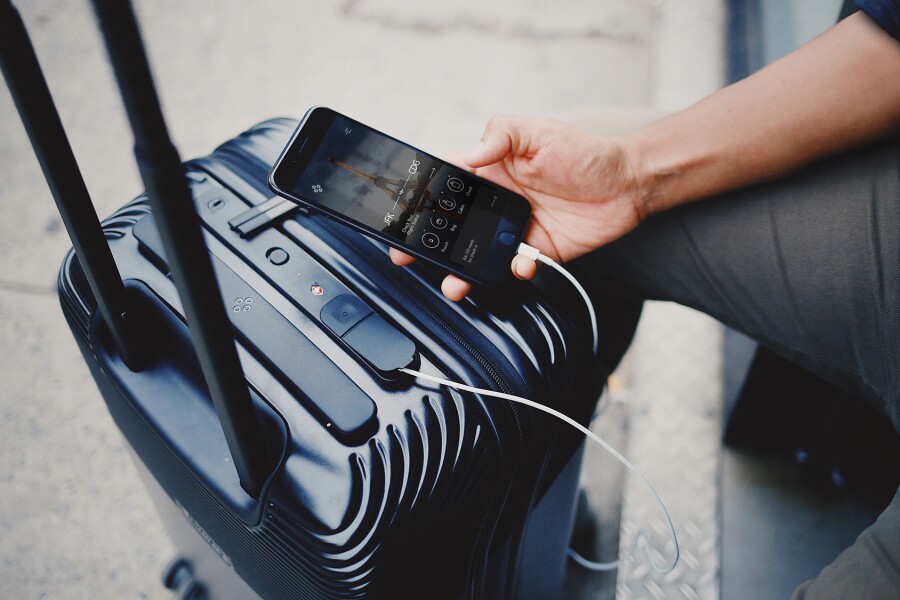
Japan’s Ministry of Land, Infrastructure, Transport and Tourism officially enforced new regulations today regarding the use of mobile batteries in flight cabins.
The new rules, effective as of April 24, permit passengers to carry up to two lithium-ion batteries with a capacity of less than 160Wh in their carry-on luggage. However, for the first time, passengers are strictly prohibited from recharging these batteries or using them to charge other electronic devices while the aircraft is in flight.
This regulatory shift is a mechanical necessity following an emergency amendment by the International Civil Aviation Organization (ICAO) in March 2026. The amendment was triggered by a global spike in in-flight fire incidents caused by overheating lithium batteries and improper charging practices. By restricting power transfers during flight, Japanese authorities aim to mitigate the risk of thermal runaway events, which can be difficult to extinguish in the confined environment of a pressurized cabin.
This means a significant change in in-flight electronics management. Travelers are being advised to fully charge their smartphones and tablets before boarding, as the traditional reliance on high-capacity portable power banks is now restricted to emergency backup only. Airlines such as JAL and ANA have updated their safety briefings to include these mandates, and airport security at hubs like Narita and Haneda are now conducting more rigorous checks on battery specifications.
The implementation of these rules coincides with a record-breaking month for Japanese tourism, with arrivals exceeding 10 million in the first quarter of 2026. As the yen remains weak, attracting a surge of international visitors, the government is prioritizing passenger safety over digital convenience. Industry analysts suggest that these Japanese safety standards may soon become the blueprint for other major global aviation regulators seeking to standardize battery safety protocols across international borders.
Ultimately, this safety-first approach highlights the ongoing challenge of balancing modern tech habits with the physical realities of aviation security. While some travelers may find the "no-charge" rule a minor inconvenience, it is viewed as a critical safeguard in an era of increasingly powerful personal electronics. As the 2026 flying public adapts, the focus remains on ensuring that the digital lifestyle does not compromise the integrity of the flight.