Dubai’s Burj Al Arab Closes for Historic 18-Month Transformation
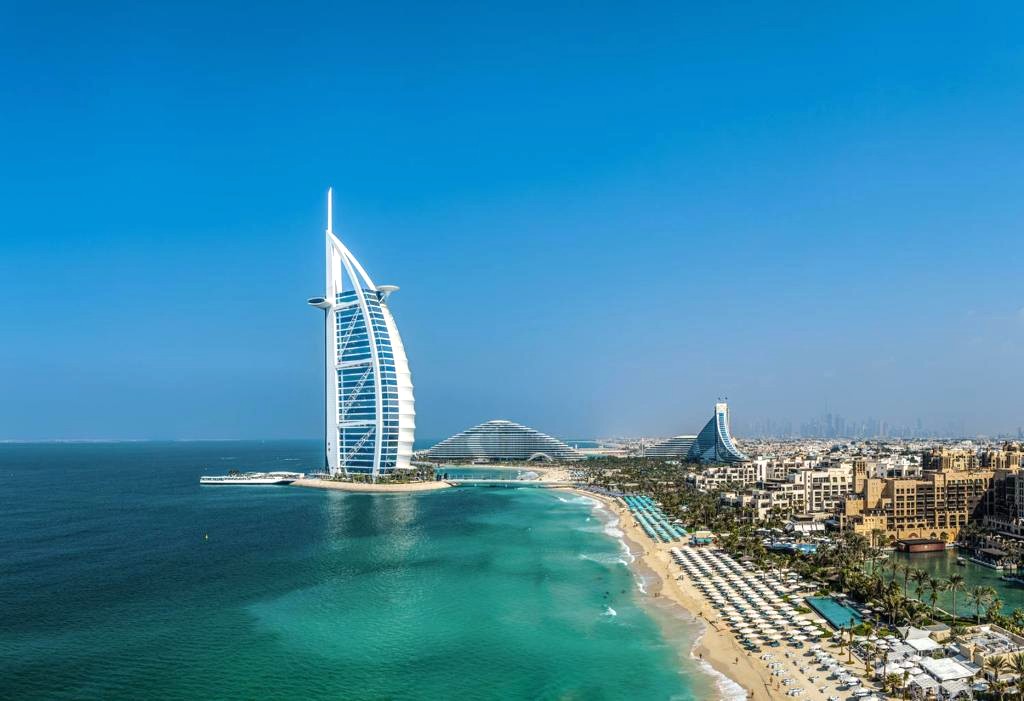
In a move that has sent ripples through the global hospitality market, the Jumeirah Burj Al Arab officially closed its doors today to begin a comprehensive 18-month restoration.
This "strategic hibernation" is a direct response to the temporary dip in Middle Eastern travel caused by the ongoing Iran conflict, which has led several major Dubai hotels to accelerate their renovation timelines. By taking the iconic sail-shaped structure offline now, management aims to reinvent the property for a new generation of ultra-wealthy travelers without the revenue displacement typical of peak seasons.
The restoration project is a mechanical necessity to maintain the hotel's status as a "seven-star" global landmark. The work will involve a complete redesign of the suites, the integration of next-generation smart-room technology, and a total overhaul of the culinary and wellness facilities. Industry experts suggest that the Burj Al Arab is seeking to move away from its "gold-laden" aesthetic of the late 90s toward a more minimalist, contemporary luxury that aligns with modern aesthetic trends.
For the 2026 luxury traveler, the closure of the Burj Al Arab—alongside other major properties like the Armani Hotel and Park Hyatt Dubai—means a temporary reduction in ultra-premium inventory in the city. However, hoteliers are using this period to future-proof their assets, ensuring that Dubai remains the world's premier destination for luxury and innovation once regional stability returns. The "rebranding and refurbishment" blitz currently sweeping the Dubai Marina and Palm Jumeirah districts is expected to yield a record-breaking hospitality product by 2027.
The closure strategy is supported by data showing that while international arrivals have slowed, domestic and regional luxury demand remains resilient. By focusing on "CapEx work" now, Dubai is effectively "turning a crisis into a catalyst" for urban renewal. STR analysts note that this is the first time since the hotel's opening that such a large-scale renovation has been possible, as occupancy rates historically remained too high to allow for a full-site shutdown.
When the Burj Al Arab reopens in late 2027, it is expected to feature advanced biometric systems, sustainable energy solutions, and a refreshed brand identity. This "metamorphosis" is a clear signal that Dubai is not standing still, even in the face of geopolitical headwinds. For the 2026 explorer, the city’s skyline may look slightly different with its most famous icon "under wraps," but the promise of a superior future experience keeps the Dubai brand at the forefront of the global imagination.
Ultimately, the Burj Al Arab restoration is a masterclass in crisis management and long-term vision. By prioritizing quality over short-term volume, the Jumeirah Group is ensuring that its flagship asset remains a global leader for decades to come. The "restorative city sanctuary" model being pioneered in Dubai today will likely serve as a blueprint for other global hubs navigating similar market shifts.