Imperial Hotel Kyoto Anchors New Era of "Noctourism" and Cultural Luxury
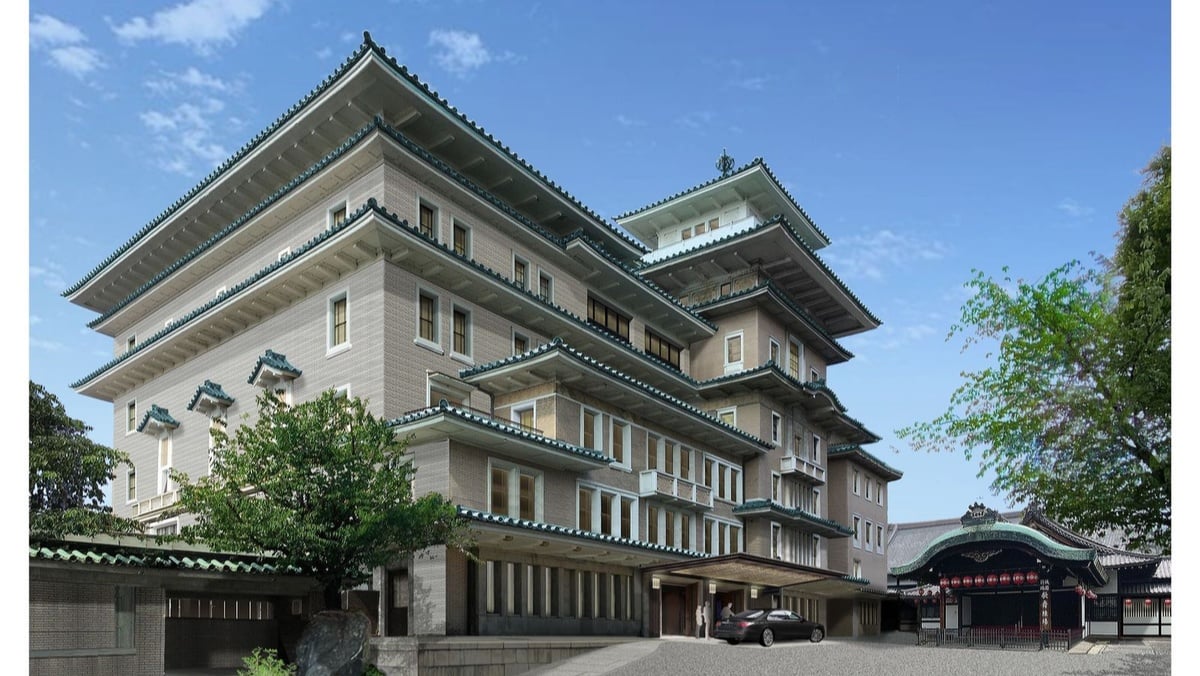
In a move that signals a "pivotal shift" for high-end Japanese hospitality, the Imperial Hotel Kyoto officially opened its doors today in the heart of the historic Gion district.
The property, which centers on the meticulously revitalized Yasaka Kaikan Theatre, represents a fusion of "Taisho-era elegance" and modern sustainability. With only 55 rooms and suites, the hotel is designed to offer an "intimate sanctuary" in one of the world’s most crowded tourism markets, catering to the growing demand for "low-density luxury" and authentic cultural immersion.
The opening coincides with the rise of "Noctourism," a 2026 trend where travelers increasingly explore Kyoto’s geisha districts and temples after dark to avoid the intense daytime heat and overtourism. According to recent Booking.com data, 61% of travelers now prefer "night-time activities" while on vacation, leading the Imperial Hotel to offer exclusive "after-hours" museum tours and moonlight garden walks. This "Moonlit Strategy" is designed to provide guests with a "serene perspective" on the ancient city, away from the midday crowds.
The Imperial Hotel Kyoto also features a world-class spa that integrates "transformational wellness" traditions from the local region, including seasonal forest bathing rituals and "Zen-inspired" meditation sessions. This focus on "slower, more intentional" travel reflects a broader 2026 shift toward "Resilience Training" for the nervous system, moving beyond the traditional spa model. For the global explorer, a stay at this property is not just a room booking, but a "curated gateway" into the spiritual heart of Japan.
Beyond the hotel walls, Kyoto is implementing stricter "digital visitor controls" to manage the influx of tourists expected for the spring season. The Imperial is participating in a pilot program for "Verified Local Access," which allows guests to book time-slots at popular heritage sites directly through their room key. This "tech-integrated" approach to heritage preservation ensures that the city’s most delicate landmarks are protected from "mass-market erosion" while still providing a "premium experience" for guests.
As the property begins its first week of operations, the 2026 traveler is already responding with "record-breaking" occupancy rates for the spring break period. The hotel’s success is seen as a "blueprint" for future developments in historic UNESCO sites, proving that "modern luxury" can coexist with "deep ancestral respect." The message from Kyoto is clear: the future of travel is not just about where you go, but "when and how" you experience a culture.