Cuba Bets on Free Market: Historic Shift Aims to Rescue Crumbling Tourism Sector
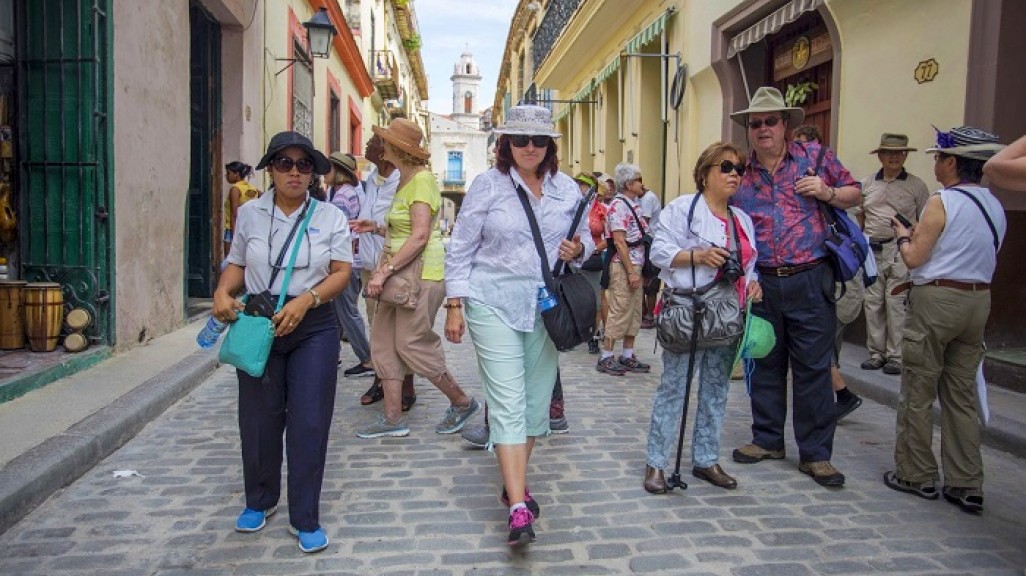
Facing its worst economic crisis in decades and an unprecedented plunge in international visitors, the Cuban government has approved a sweeping package of 176 market-driven reforms. The emergency initiative aims to reverse the collapse of its battered tourism industry through an unprecedented opening to the private sector and foreign capital.
The rescue plan, recently passed by the National Assembly, represents the most profound structural shift on the island since the early days of the Revolution. The new legislation eliminates long-standing mandates requiring foreign investment to operate through state-controlled joint ventures. Moving forward, international investors will be permitted 100% foreign ownership in new hotel developments and real estate projects within the island's primary tourism hubs.
Cuba's nascent domestic private sector, primarily composed of MSMEs (micro, small, and medium-sized enterprises), is set to receive a critical boost. Local entrepreneurs will now be legally permitted to autonomously operate their own travel agencies, tour guide services, and car rental businesses. Historically, these lucrative niches remained under the monopolistic control of state-run corporations tightly linked to the Cuban military.
Inside the Collapse: Data Reveals an Operational Crisis
The decline of the Cuban tourism model does not stem from a single failure, but rather a perfect storm of internal logistical breakdowns and external financial pressures. Recent data from the National Office of Statistics and Information (ONEI) underscores the magnitude of the downturn:
Plunging Visitor Volume: Between January and May, Cuba registered just 359,491 international tourists, marking a staggering 58.4% decline compared to the same period last year.
Empty Hotels: The island's hotel occupancy rate during the first quarter cratered to a meager 12.9%, leaving tens of thousands of rooms vacant across major resorts.
Vanishing Air Connectivity: The sudden exit of major international airlines, including severe flight reductions from Canada and Russia, has left the island isolated from its primary source markets.
Infrastructure and Supply Failures: Chronic rolling blackouts and severe food shortages have severely degraded service quality, prompting international tour operators to divert clients to regional competitors like Cancún and Punta Cana.
Flight of International Brands: Rising operational uncertainty recently drove four major international hotel chains to exit the country entirely, while industry giants like Meliá have been forced to temporarily close half of their properties on the island.
A New Strategy: Decentralization and Supply Chain Autonomy
To resolve the chronic supply shortages that have alienated international travelers, the economic package introduces a radical shift in foreign trade. Hotel operators and private tourism businesses will now be granted direct import authorities, completely bypassing state-run bureaucratic intermediaries. This change aims to streamline supply chains and immediately elevate service standards in restaurants, nightlife venues, and resorts.
The reforms also target Cuba's rigid financial system. The plan effectively ends the state banking monopoly by allowing the entry of private banking institutions and accelerating the rollout of digital banking platforms. Furthermore, members of the Cuban diaspora living abroad will now be legally permitted to purchase real estate and directly manage boutique hotels in designated historical and heritage zones.
While government officials express optimism, independent economists warn that the success of the measures will hinge entirely on the speed and transparency of their execution. Beyond policy adjustments, Cuban officials are reportedly working to decouple prime hotel assets from sanctioned military conglomerates—a strategic move viewed as essential to restoring international in