Paradise Lost: Fuel Shortages and Sanctions Force Hotel Chains to Dump Cuba
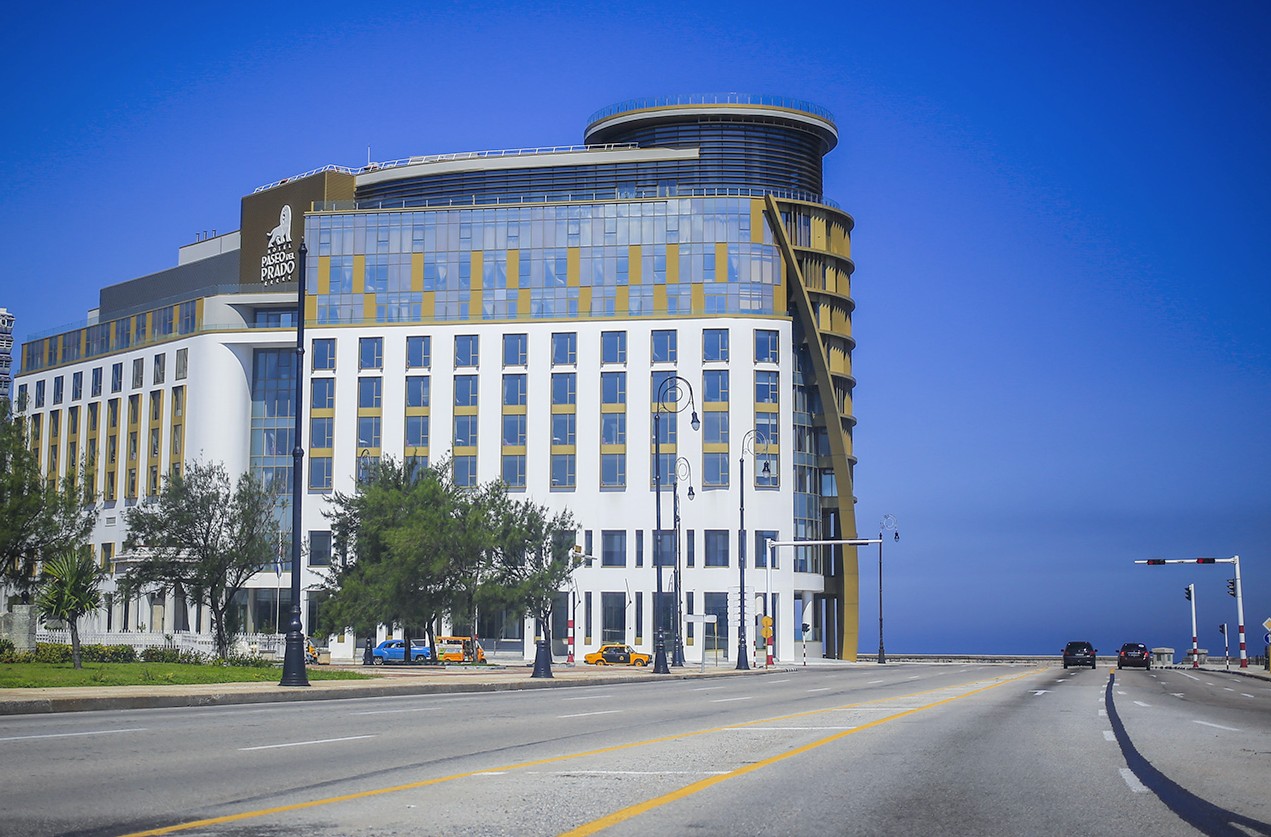
A dramatic shift is rattling the Caribbean tourism sector as prominent foreign hotel chains begin a sudden and historic retreat from Cuba. Canada’s Blue Diamond Resorts, a dominant force on the island for over a decade, sent shockwaves through the industry by announcing the immediate termination of all its Cuban operations.
The decision follows a crushing 55.8% drop in international arrivals during the first four months of the year, alongside severe infrastructure challenges that have rendered hotel management nearly impossible. As the island's tourism model fractures, global eyes are now on major Spanish operators, particularly Iberostar and Meliá Hotels International, as they navigate an increasingly hostile operating environment.
The immediate catalyst for the departure of Blue Diamond Resorts—which includes prominent brands like Royalton, Memories, and Starfish—is a combination of localized operational collapse and aggressive geopolitical maneuvering from Washington. Following the geopolitical shifts in Venezuela earlier this year, the United States imposed a strict energy blockade on Havana, choking off vital fuel shipments.
The resulting energy crisis has triggered chronic power shortages and widespread blackouts across the island. For premium resorts, maintaining basic hospitality standards without consistent electricity or a reliable supply chain for food and beverage has turned a once-lucrative venture into a logistical nightmare.
Compounding the local misery is an explicit ultimatum issued by the Trump administration. Washington has directed foreign entities to cut ties with GAESA, the Cuban military-run conglomerate that owns the vast majority of the island's tourism infrastructure through its hotel division, Gaviota. A strict compliance deadline gives international companies and financial institutions a narrow window to terminate business relations with the military group or risk crippling secondary U.S. sanctions. Because foreign operators do not own the physical properties—which remain state-owned assets—companies like Blue Diamond chose to exit rather than face legal and financial retaliation under the Helms-Burton Act.
The big question now facing the travel industry is how quickly other major hotel companies will follow suit. The pressure on Spanish giants Iberostar and Meliá has reached a boiling point. Meliá, which operates 34 properties on the island, recently revealed that it had already been forced to close half of its hotel capacity due to a complete lack of demand and a critical shortage of aviation fuel that caused international airlines to cancel direct flights. Industry analysts from Wall Street and European think tanks suggest a domino effect is highly probable before the compliance window shuts. Major financial backers and European investment banks are already drawing up withdrawal plans to protect their global portfolios from American blacklists.
While Iberostar attempted to pivot this season by introducing direct airline ticket booking options and focusing heavily on the domestic tourism market and Cuban-Americans, the economic reality remains bleak. The island closed the previous year with barely 1.8 million visitors, a historic low that left the average hotel occupancy rate hovering under 25%. Experts predict that smaller Spanish operators like Valentín, Roc, and Blau will likely quietly exit or suspend their management contracts within weeks, as they lack the financial cushion to absorb both plummeting revenues and potential legal warfare with the United States.
If the current trend holds, the departure of foreign hotel chains will mark the complete structural collapse of the island’s contemporary leisure sector. Observers note that if the European and Canadian giants completely vacate the market, the management of these high-end resorts will fall entirely back into the hands of untrained local state entities, drastically lowering quality standards. For the broader global travel market, Cuba is rapidly transitioning from a vibrant Caribbean hotspot into a high-risk cautionary tale, proving that not even luxury beach resorts are immune to the harsh realities of regional conflict and international economic warfare.