Geopolitical Conflict Pushes Global Travel Losses Toward $600 Million Daily
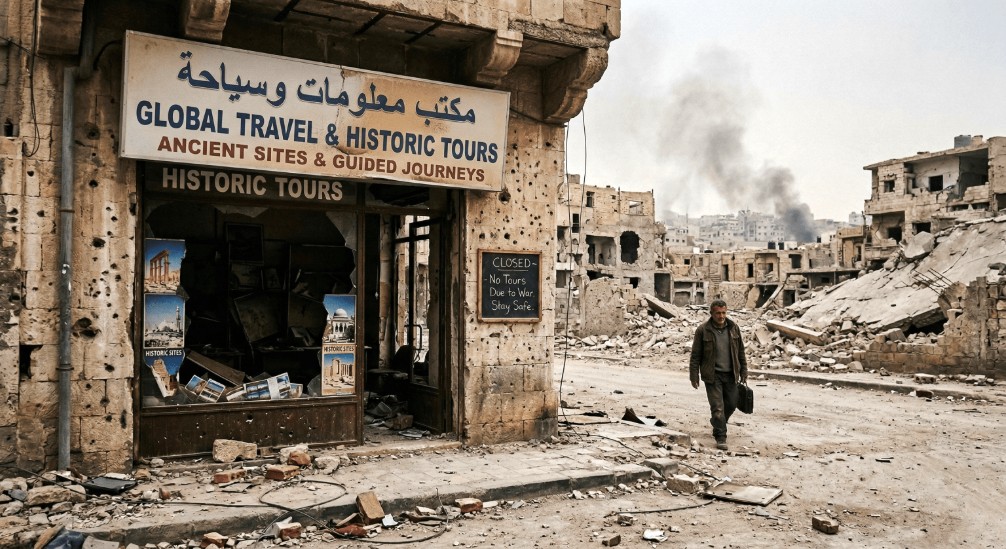
The escalating conflict in the Middle East has triggered a massive financial hemorrhage within the global travel and tourism sector, with the World Travel & Tourism Council (WTTC) estimating losses at $600 million per day in international visitor spending.
This economic shockwave stems from the region's vital role as a global transit hub, traditionally accounting for 14 percent of all international flight connections. As major airports in Dubai, Abu Dhabi, and Doha face continued disruptions and airspace closures, the ripple effect is being felt by airlines, hotel chains, and tour operators across the globe who rely on these "bridge" markets for long-haul connectivity.
The crisis has effectively paralyzed one of the world's most lucrative tourism corridors, which was previously projected to generate over $200 billion this year. Tens of thousands of flights have been cancelled since late February, leaving millions of travelers caught in a logistical limbo as they attempt to navigate a shrinking map of safe air corridors. The WTTC has emphasized that while the sector is historically resilient, the current scale of the airspace restrictions and the resulting collapse in traveler confidence represent an unprecedented challenge to the post-pandemic recovery.
Beyond the immediate loss of ticket sales, the conflict is driving up the cost of aviation fuel, forcing carriers worldwide to implement emergency fuel surcharges. These price hikes are hitting consumers just as the Spring Break and summer booking seasons begin, potentially stifling demand for international vacations in 2026. Experts suggest that the "fear factor" is now a primary driver of booking behavior, with travelers increasingly opting for short-haul domestic trips over complex international itineraries that might require transiting through or near the conflict zone.
Despite the bleak outlook, industry leaders are pointing to historical data suggesting that tourism demand can rebound in as little as two months following a security stabilization. However, this recovery depends heavily on coordinated government efforts to restore safe passage and provide clear, consistent communication to the public. For now, the global travel industry remains in a "wait-and-see" defensive posture, prioritizing the safety of crews and passengers over the restoration of profitable regional routes.
The impact is particularly severe for the cruise industry, which has seen nearly all winter deployments in the Arabian Gulf cancelled or rerouted around the Cape of Good Hope. These detours add weeks to journey times and millions in operational overhead, costs that are already being passed down to passengers in the form of "itinerary adjustment fees." The total withdrawal of major brands from the region has left local port infrastructures—many of which saw multi-billion dollar investments recently—standing largely empty.
As the conflict enters this critical phase, the travel ecosystem is being forced to adapt to a "new geography of risk." Travelers are being urged to consult consular advisories daily and to invest in comprehensive travel insurance that specifically covers "force majeure" and geopolitical disruptions. For the 2026 voyager, the dream of seamless global exploration has been temporarily replaced by a complex puzzle of rerouted flights and heightened security protocols.