Tourists Pouring Back to Mexican Beaches after a Security Image Facelift
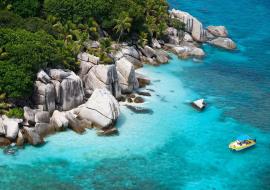
Sunbathers stretch out along white beach after white beach on the sweltering Caribbean coast. Tequila-swigging revelers pack the glittering nightclubs wall to wall. Surfers carve up the Pacific waves.
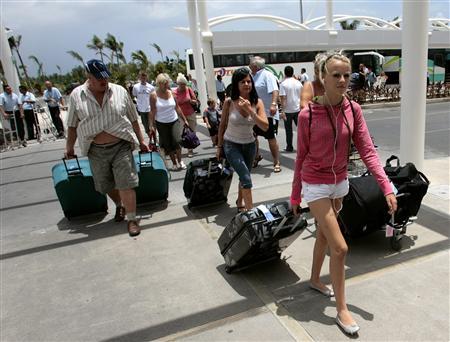
As the season draws to an end, officials here are boasting a bumper season in the country’s top resorts, including Puerto Vallarta, Los Cabos and Cancun, where hotels have been packed to the highest levels ever.
The total number of tourists in Mexico hit a record in the first half of the year, with more than 14 million foreigners touching down, almost 20 percent more compared to last year, the Tourism Department said.
The spike in visitors, especially Americans, comes after several years of stagnation in the travel sector here amid a slow global economic recovery and fears of gory cartel violence.
The arrivals first dropped in 2009, when cartel killings rocketed and an H1N1 flu scare swept the country. Tourists continued to arrive in fewer numbers from 2010 to 2012, as mass graves and gang massacres tarnished Mexico’s name.
Last year, tourist numbers finally recovered to just over the 2008 level. This year they soared.
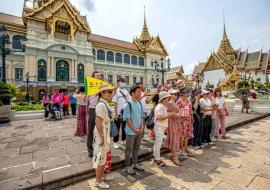
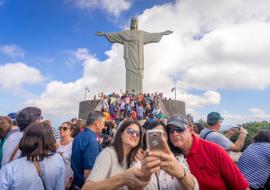
The return of visitors follows an ad campaign, including images of Mexico’s crystalline waters, curving coastlines and Aztec pyramids behind soothing music and this play-on-cliché slogan: “Live it to believe it.”
The pictures of dreamy beaches, financed to the tune of $43 million, hit TV stations, websites, and print pages across the United States, reminding Americans of the nearby jewels.
But perhaps more important has been another campaign by the administration of President Enrique Peña Nieto. He’s talking less about the bloodshed and more about what he sees as the positives in his sweeping reforms agenda.
Previous President Felipe Calderon kept the drug war on the front page by trumpeting a head-on battle against cartels and dressing up in military uniform as he addressed Mexican soldiers.
In contrast, Peña Nieto and his officials rarely mention the narcos, sticking to a script about modernizing Mexico through measures like opening up the oil industry to foreign investors. The switch in style impacted media coverage as soon as Peña Nieto took office in December 2012.
A media monitoring group found that in the first three months of his term, local reporting on cartel violence halved, with the Spanish words for “organized crime” appearing 52 percent less and “drug trafficking” 54 percent less.
Following the Mexican press, there was a distinct change in foreign reporting on Mexico, with pundits such as The New York Times’ Thomas Friedman highlighting the nation’s potential rather than its problems.
Rising conflicts in other places like Ukraine and the Middle East also have jerked news anchors’ attention away from Mexico’s violence.
The increase in visitors this year means it’s one of the fastest growing sectors of Mexico’s economy, bringing in $8.4 billion in foreign currency in the first half of the year. It already employs about 7 million people, and tourism officials expect that will rise steadily throughout the Peña Nieto administration.
Source: Global Post