Canadian "Disney Boycott" Intensifies as Travelers Pivot to Paris

In a striking development for the North American tourism economy, a growing number of Canadian travelers are officially turning their backs on U.S.-based theme parks.
Travel agencies across Ontario and British Columbia reported a significant 30% shift in bookings away from Walt Disney World and Disneyland, with families instead opting for Disneyland Paris. The trend is being fueled by a vocal "travel boycott" sparked by the current U.S. political climate, trade tensions, and aggressive new immigration enforcement policies that have left many international visitors feeling unwelcome.
The World Travel and Tourism Council estimates a 6% drop in foreign visitors to the United States this year, even as global travel surges by nearly 7%. For the 2026 explorer, the "magic" of a Disney vacation is being weighed against the "friction" of border crossings and political disagreements. One prominent Canadian agency, Fairytale Dreams & Destinations, noted that while their clients still crave the "Disney experience," they are increasingly unwilling to spend their travel dollars south of the border, leading to a record-breaking month for the French resort.
This "Disney Divorce" is hitting the U.S. national park sector even harder. Intrepid Travel, which operates over 300 tours in the American West, reported a staggering 93% plunge in bookings from Canada for 2026. The shift suggests that the "America First" agenda is creating a "perception barrier" that legacy brands are struggling to overcome. As Canadian families seek out "alternative magic" across the Atlantic, the U.S. travel industry faces a multibillion-dollar revenue gap that may take years to close.
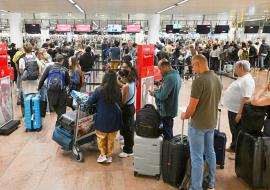
The White House’s recent proposal to require social media data from millions of visitors has only added to the "uncertainty and anxiety" of international travelers. Industry groups like the U.S. Travel Association warned today that these measures are driving vacationers to "competitor destinations" like Scotland and Australia, which are seeing "stellar" growth in North American arrivals. For the 2026 traveler, the "welcome mat" at the U.S. border is increasingly seen as a "security checkpoint," prompting a historic remapping of the traditional family holiday.
As of this afternoon, the "boycott" shows no signs of waning. With the Spring Break window approaching, travel advisors are pivoting their marketing strategies to highlight "US-alternative" destinations. The 2026 landscape is proving that "political sentiment" is now a primary driver of travel intent, and the U.S. "leisure market" is currently on the losing side of that equation.