Biometric "Face-as-Passport" Systems Go Live at Major Global Hubs

January 16, 2026, marks a pivotal shift in the "passenger journey" as a consortium of countries—including the U.S., Mexico, UK, and Canada—officially launched their integrated Biometric Travel Pass systems.
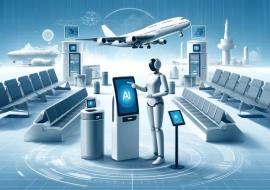
This technology allows travelers to use facial recognition as their primary "identity token" throughout the airport, from bag drop and security to boarding and immigration. The goal of this "contactless" movement is to reduce processing times by up to 40% and eliminate the traditional bottleneck of physical document checks.
In the United Kingdom, the system is being used to enforce new sustainability mandates, allowing authorities to monitor visitor flows and manage "overtourism" in sensitive areas like the Scottish Highlands and Cornwall. Meanwhile, in the United States, the TSA and CBP have expanded the "biometric exit" program to all 30 major international gateways.
While the technology is being praised for its efficiency, it has also sparked a renewed debate over data privacy and the "security-vs-convenience" trade-off that has come to define travel in 2026.
Canada and Mexico are integrating this biometric technology specifically to streamline "trusted traveler" corridors, such as Nexus and Global Entry. For frequent fliers, this means that "your face is your passport," allowing for nearly seamless movement across North American borders.
However, for those from the 39 "Travel Ban" countries, the system acts as an additional layer of digital gatekeeping, using AI-driven vetting to flag any inconsistencies in travel history or identity documentation in real-time.
As of this morning, travelers at London Heathrow and Los Angeles (LAX) are reporting significantly shorter lines at immigration, though some "analog" travelers have expressed frustration with the mandatory nature of the digital enrollment. The travel industry is closely watching this rollout, as it represents the final step in the transition to a fully digital global border. For the 2026 traveler, the message is clear: the era of the paper boarding pass and the manual passport stamp is rapidly being replaced by an invisible, high-tech "digital handshake."