
European Tourism Sector Faces Operational Hurdles Amid Border Modernization
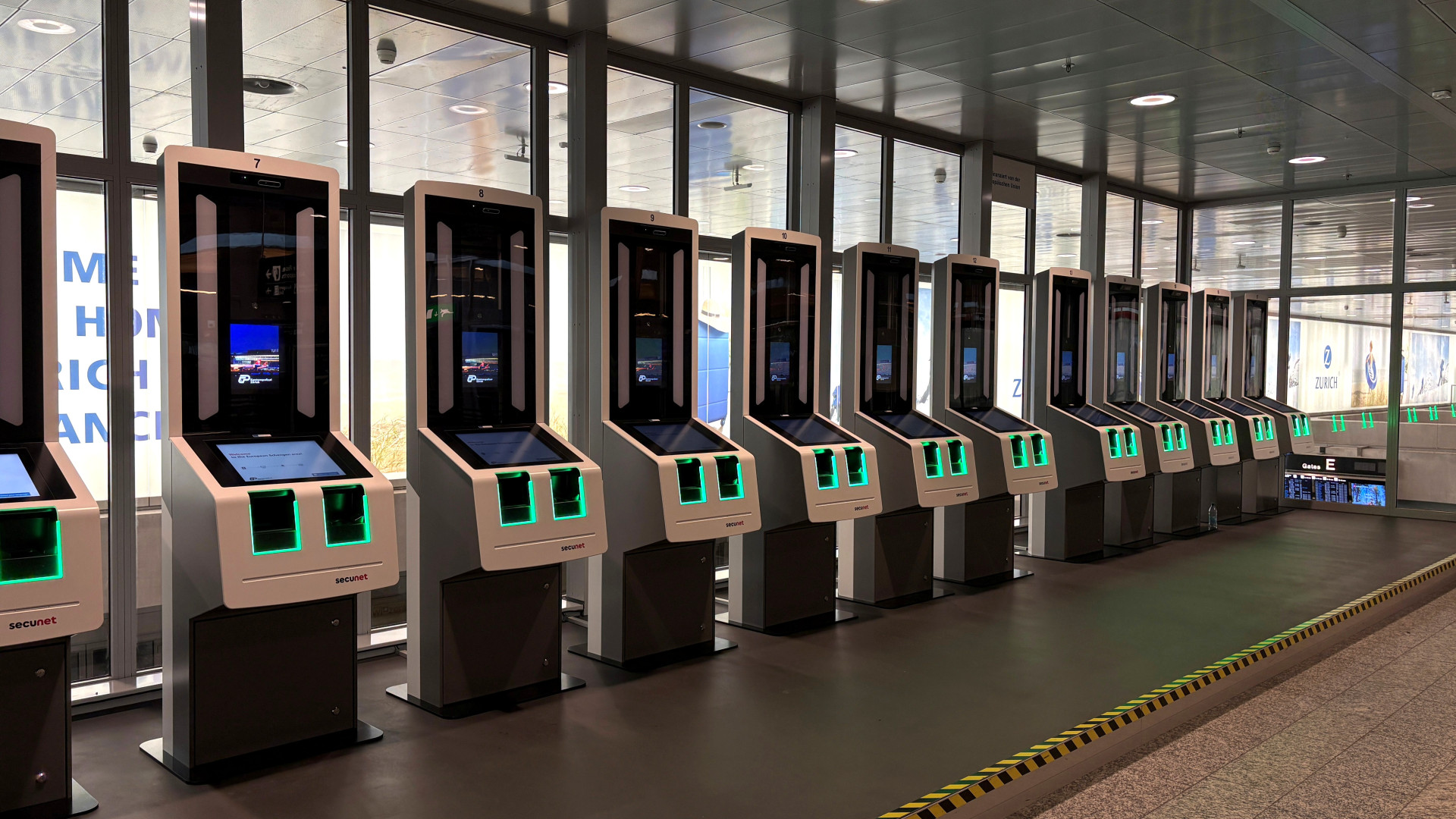
The World Travel & Tourism Council has officially raised alarms regarding the impending implementation of the Schengen Entry/Exit System, warning that current deployment strategies may inadvertently trigger severe travel bottlenecks.
As Europe prepares for a more digital-first security framework, industry leaders emphasize that without enhanced flexibility and expanded staffing, the continent risks alienating millions of international tourists during the peak summer window. The potential for three-hour processing delays at major airports threatens to dampen the economic vitality of the entire European tourism ecosystem.
Recent longitudinal research indicates that nearly one-third of international visitors would be significantly less likely to plan a trip to the Schengen area if they anticipated systemic border congestion. Analysts suggest that this could place as many as 41 million arrivals and over $45 billion in essential visitor spending at critical risk during the remainder of the 2026 calendar. Stakeholders are now urgently calling for a more coordinated, traveler-focused rollout to prevent long-term damage to Europe’s global competitive standing.
To mitigate these disruptions, industry advocacy groups are pushing for three immediate procedural interventions to safeguard the tourism industry's health. First, they are encouraging the accelerated adoption of digital pre-registration platforms to streamline passenger throughput at major international gateways. Second, there is a clear demand for a synchronized communication campaign to ensure that travelers are fully informed of updated border requirements well before their departure date.
Furthermore, policymakers are being urged to guarantee full resource allocation to maintain seamless movement across the continent’s busiest transit hubs. The sector remains a foundational driver of European economic growth, and leaders argue that security modernizations must not come at the expense of accessibility. Ensuring that the new framework delivers on its promise of smarter borders is essential to maintaining the high volume of leisure travel that supports countless local communities across the region.
As the implementation phase progresses, the balance between security efficiency and the overall experience of the international visitor remains the central point of contention. Failure to address these operational constraints could lead to a measurable shift in long-haul destination preferences as consumers seek out regions with fewer logistical frictions. Proactive collaboration between government authorities and private industry is now seen as the only viable path forward to protect the sector’s 2026 growth forecasts.
Ultimately, the goal remains the preservation of a competitive, welcoming environment that continues to attract travelers from across the globe. By fostering a more coordinated approach to border technology, European leaders hope to satisfy the dual requirements of modern national security and high-volume tourism throughput. With millions of livelihoods tied to the success of this summer season, the urgency for a seamless, traveler-centric transition has never been more pronounced for regional destination managers.