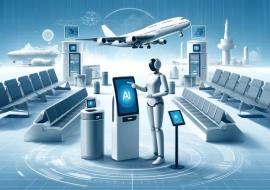
Major European Hubs Deploy Advanced Biometric Automation Ahead of High-Volume Travel Peak
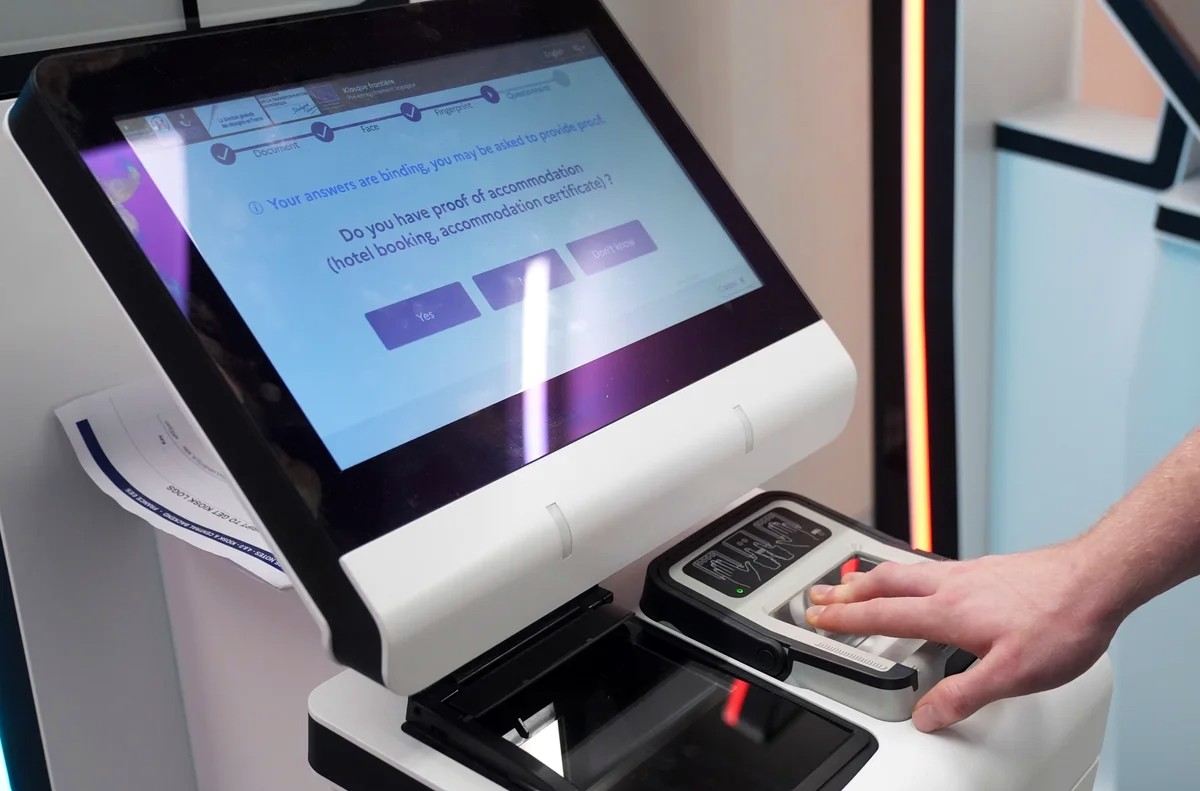
Prominent international air transit hubs across Western Europe are aggressively implementing biometric facial recognition technologies to streamline passenger processing ahead of a projected high-volume travel peak.
The widespread technological rollout represents a coordinated effort to modernize border control infrastructure and eliminate terminal bottlenecks. Airport authorities are prioritizing digital identity verification to manage rising security requirements without sacrificing operational speed.
The deep integration of automated security lanes allows travelers to navigate from terminal check-in to departure gates using a single digital token. Advanced optical sensors and biometric scanning systems instantly cross-reference live passenger data with verified electronic passport databases. This touchless processing framework eliminates the structural need for manual document inspection, significantly reducing processing times at high-density security checkpoints.
To support the rapid system migration, airport management companies have established strict data governance and privacy protection frameworks. The secure data networks operate under rigid international compliance standards to prevent unauthorized access to sensitive passenger information. Security specialists emphasize that the automated biometric systems provide an enhanced layer of border security by utilizing sophisticated algorithmic verification models.
Major technology infrastructure vendors are collaborating closely with airport operational teams to ensure seamless hardware compatibility across diverse terminal layouts. The standardized hardware configurations allow different airline carriers to share biometric processing hubs, maximizing terminal real estate efficiency. The flexible architecture is designed to handle extreme peak traffic loads without triggering system latency or processing errors.
Early performance metrics from initial pilot programs indicate a dramatic improvement in passenger throughput and overall traveler satisfaction. Commuters moving through automated terminals experience significantly shorter queue times compared to traditional processing environments. The reduction in terminal friction allows travelers to spend more time within airport retail and dining zones, driving up non-aeronautical revenue streams for airport operators.
Despite the clear operational benefits, terminal managers are maintaining a cautious approach regarding potential scalability challenges during high-capacity holiday windows. Technical support teams are being deployed directly to automated zones to assist passengers unfamiliar with the touchless digital interfaces. The continuous optimization of biometric automation remains a critical pillar of Europe's long-term aviation resilience strategy.